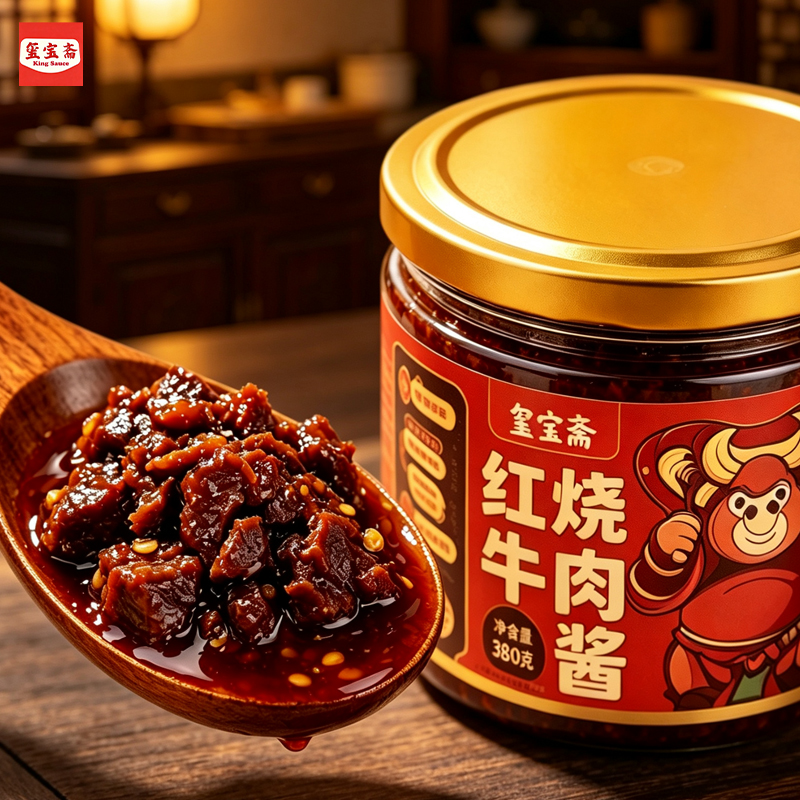
Two beef sauces can both claim "60% solids" on the label and still cost you 25% more per bowl — because solids percentage is measured in the jar, while your cost is measured in what actually lands on
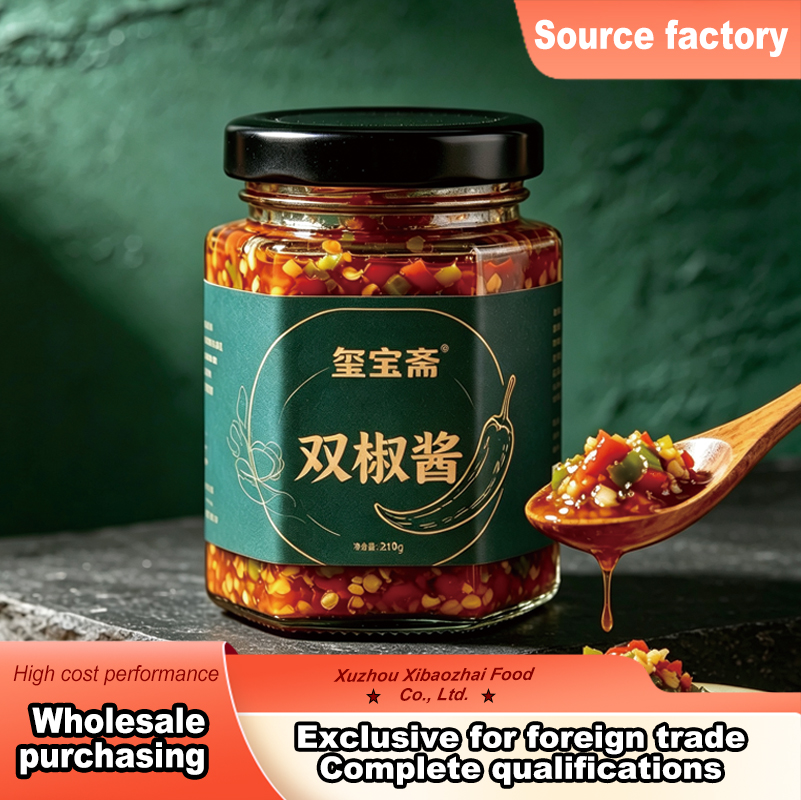
Choose a chili oil manufacturer that can prove three things before you sign anything: verifiable food-safety credentials, batch-to-batch consistency, and genuine OEM customization capability — a low u
If your sauce tastes different every shift, the cause is almost never the recipe — it is a handful of unmeasured variables compounding between the prep pot and the plate. Most kitchens respond by re-t
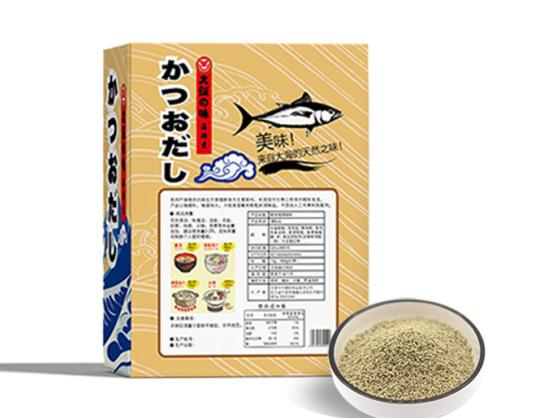
Bulk dashi powder costs between $1.18 and $4.50 per kilogram from Chinese manufacturers, while Japanese spray-dried powder runs 25–80 per kilogram — a gap of up to 10x, driven by drying method, fish-s
FDA does not approve instant noodles before they arrive, so there is no certificate to wait for — there are four separate obligations, and three of them belong to the importer rather than to the facto
Loose-pack cartons of 100 sachets suit hand-picked warehouses and mixed-SKU orders; a master carton built from inner multipacks suits shelf-ready retail and forklift handling. The deciding number is c
The global instant noodles market is one of the largest packaged-food categories on Earth — most published estimates place it between USD 50 and 86 billion, growing roughly 4–6% a year and producing a
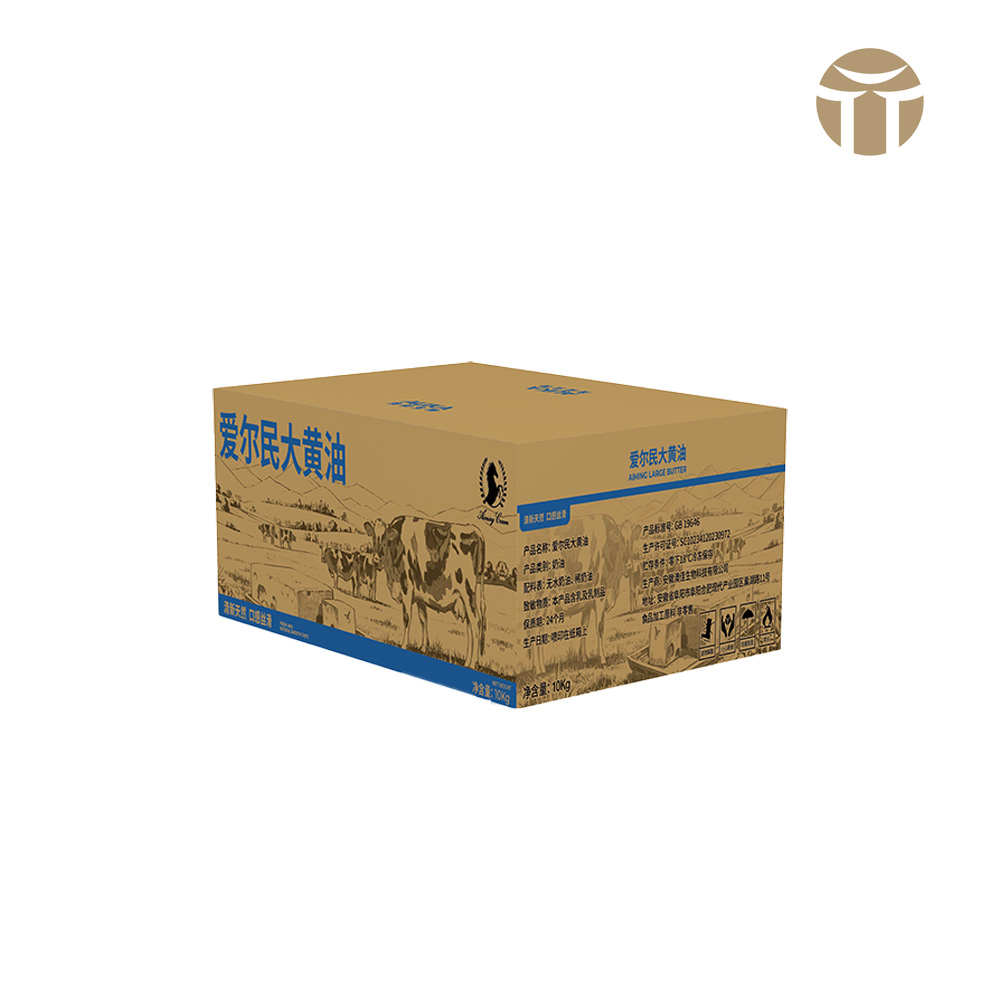
Most importers compare two dairy quotes on ex-factory price and stop there — which is exactly why so many chilled programs quietly bleed money. The real decision variable is landed cost per sellable b
Butter pooling under a croissant in the first five minutes of the bake is almost never an oven problem — the fat was already liquid, or the dough envelope was already broken, before the tray went in.
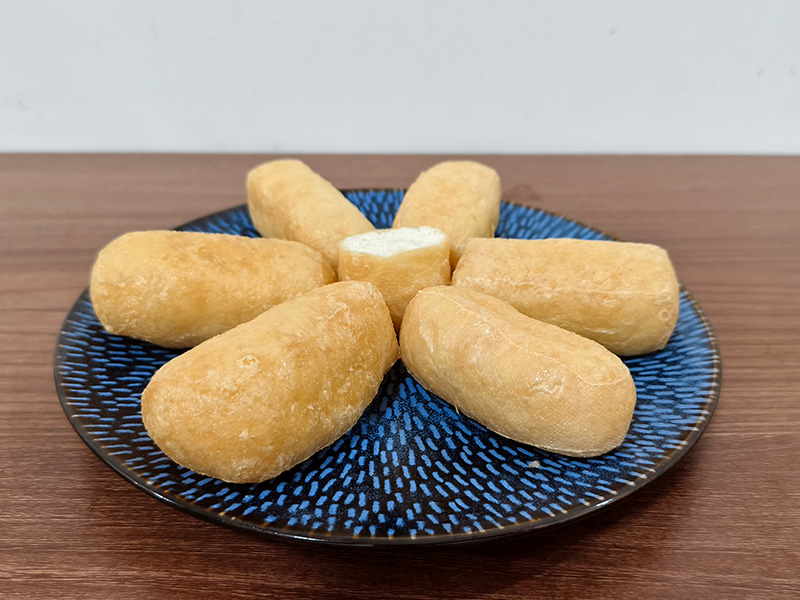
All three products start from the same brine-set curd, yet they behave nothing alike in the kitchen: tofu puffs are thick-cut, hollow and spongy; aburaage is a thin double-fried sheet that opens into