I. What Is Nervonic Acid Nervonic acid is a very-long-chain monounsaturated fatty acid (C24:1), first identified in the white matter of human and mammalian brains. It is a core structural component of
In the competitive landscape of nutritional fortification, efficacy is paramount. For decades, mineral supplementation has been hindered by a fundamental challenge: poor absorption and bioavailability
GABA is an amino acid that the body can synthesise on its own, and it is also contained in some foods such as beans, so under normal circumstances, there is no need for a special intake of GABA. Howev
1.1. Global Momentum: Two Ingredients at the Intersection of Neuro-Health Demand Neuro-health is emerging as one of the fastest-growing segments in the global wellness industry. Aging populations, ris
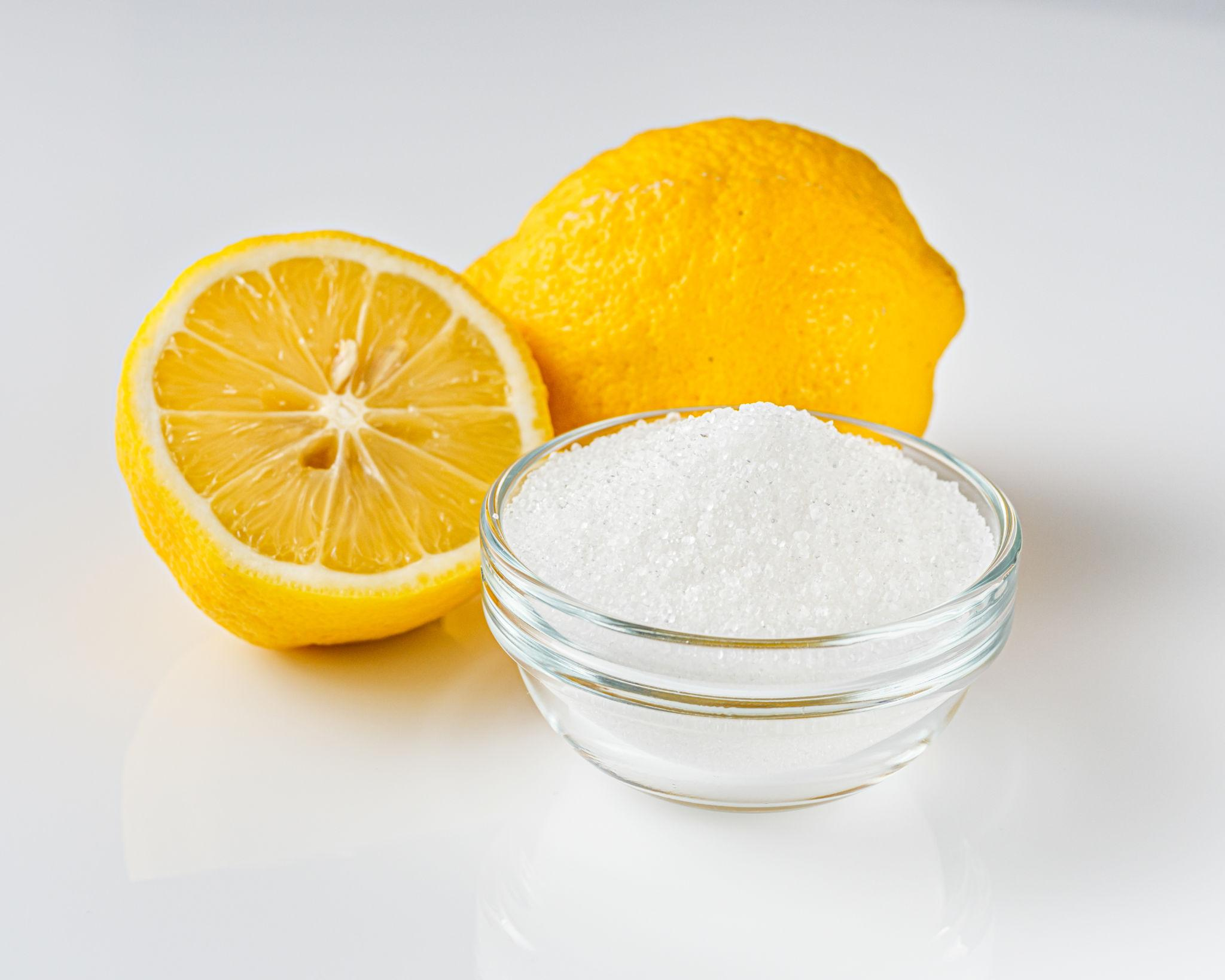
Citric acid is one of the most widely used organic acids in the global food, beverage, pharmaceutical, and nutraceutical industries. Known for its natural presence in citrus fruits and its excellent a
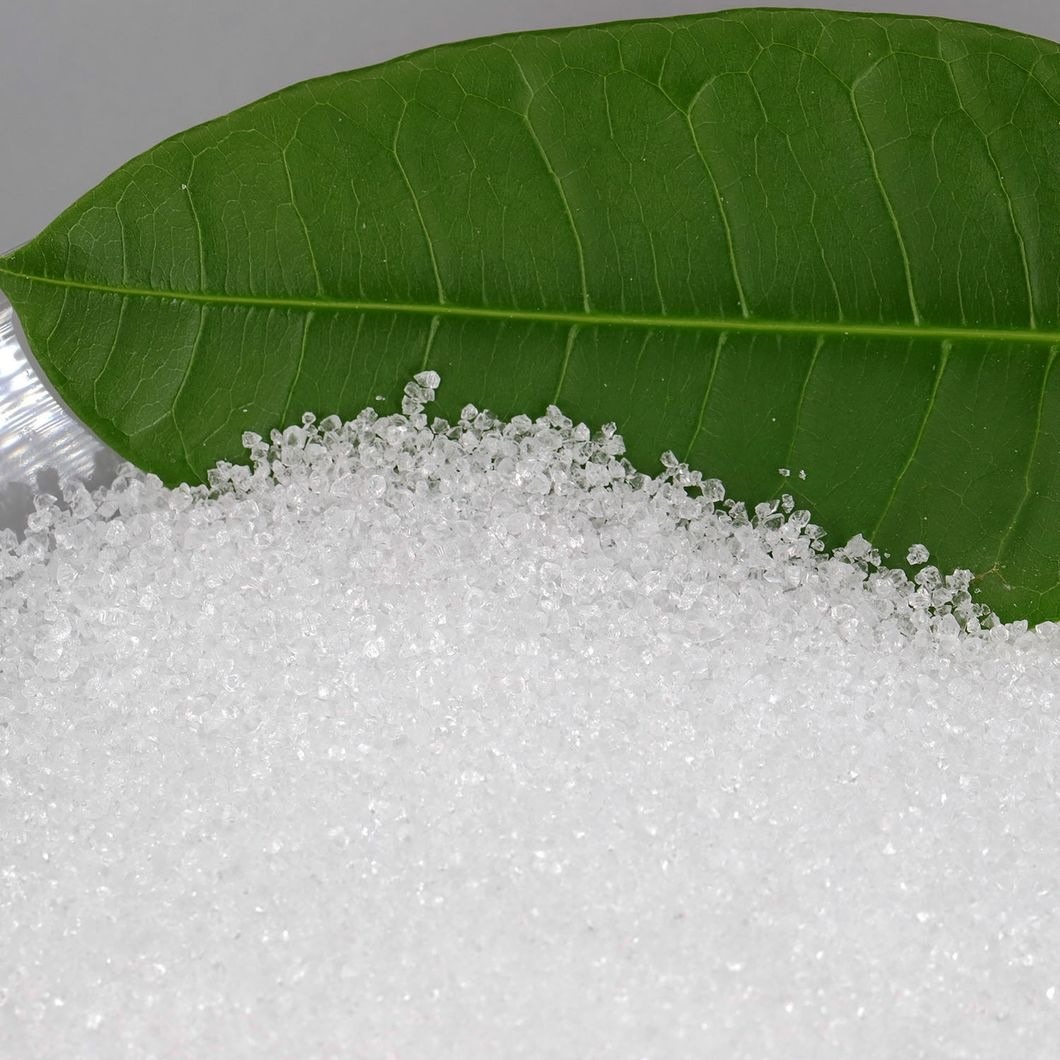
Anhydrous citric acid is a versatile organic acid used primarily as an acidulant, preservative, antioxidant, and pH adjuster, and is widely used in food, medicine, cosmetics, and industrial applicatio
Anhydrous citric acid is the most widely distributed organic acid in fruits and vegetables and the most widely used acidulant in foods. Anhydrous citric acid, also known as citric acid, is an importan
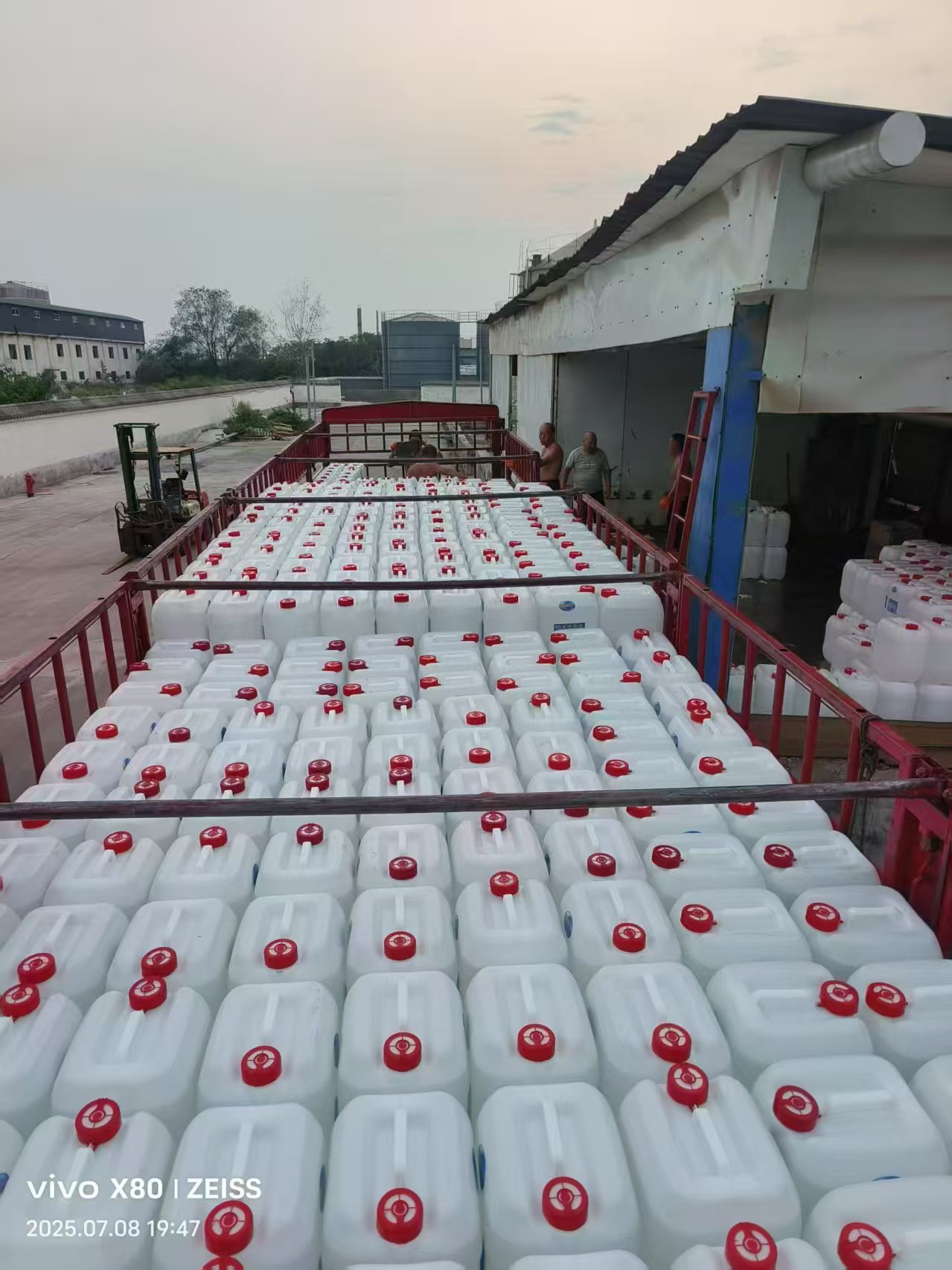
Natural acetic acid outperforms synthetic counterparts in environmental friendliness (biodegradability, zero heavy metals), bioactivity (synergy with probiotics, immune enhancement), and safety (direc
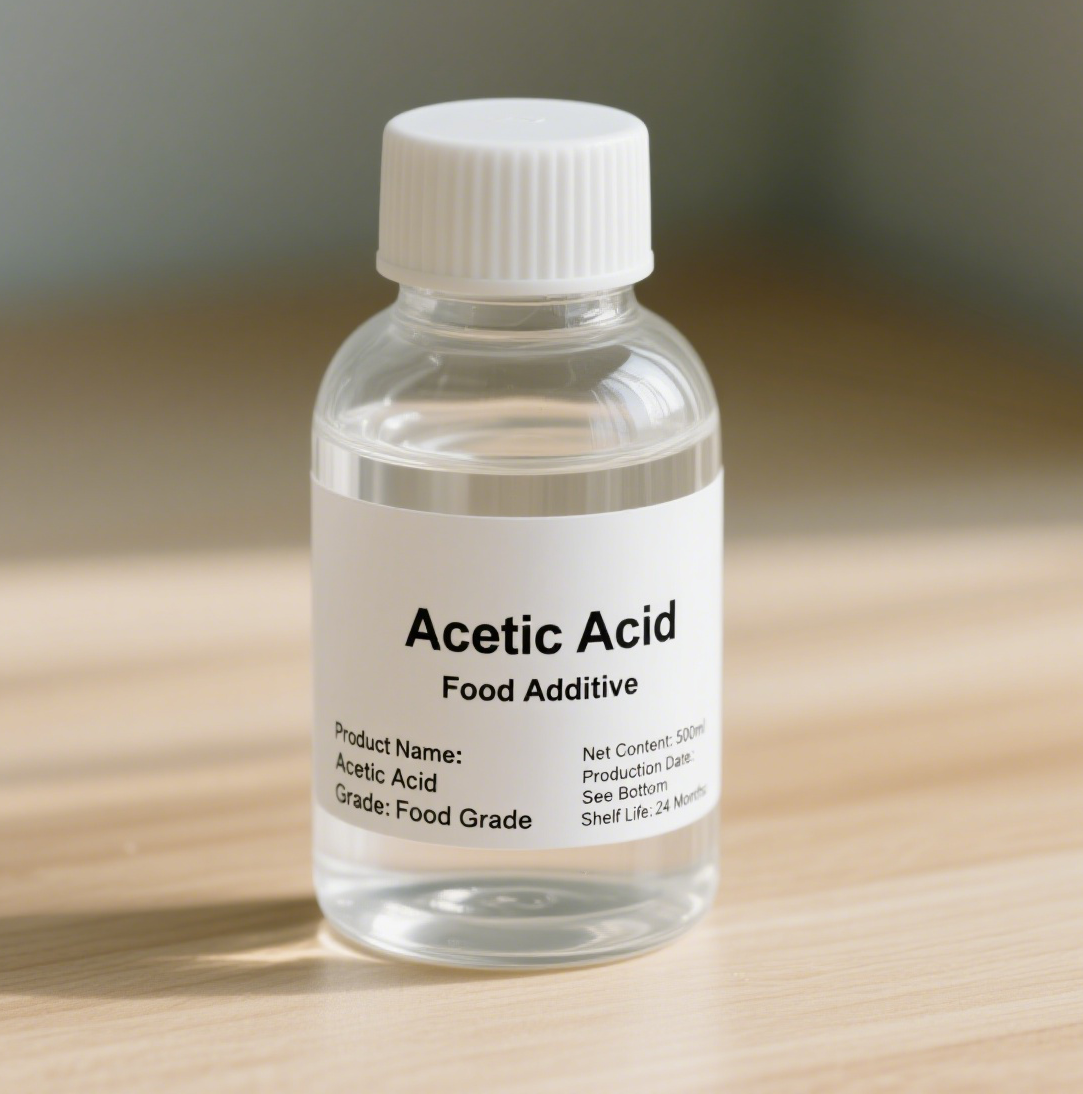
Acetic acid and vinegar are not exactly the same. While acetic acid is the main component of vinegar, vinegar is a mixture, while acetic acid is a pure organic compound. Specifically, acetic acid (che