Can oral amino acids be absorbed?
Oral amino acids can be directly absorbed by the small intestine, especially the compound amino acid tablets using enteric coating technology. After oral administration, they are not digested by the s

Oral amino acids can be directly absorbed by the small intestine, especially the compound amino acid tablets using enteric coating technology. After oral administration, they are not digested by the s
In the competitive landscape of nutritional fortification, efficacy is paramount. For decades, mineral supplementation has been hindered by a fundamental challenge: poor absorption and bioavailability
Tea contains a large number of free amino acids, most of which have an asymmetric carbon atom and can form two chiral isomers with mirror image symmetry of each other, called L-type and D-type amino a
The official promulgation of the 2025 edition of the Chinese Pharmacopoeia marks a step forward for China's drug standard system towards a more scientific, rigorous and internationalized direction. Th
GABA is an amino acid that the body can synthesise on its own, and it is also contained in some foods such as beans, so under normal circumstances, there is no need for a special intake of GABA. Howev
Serine is an amino acid that plays a role in many biosynthetic pathways. It is the main source of the single carbon unit for the methylation reaction that occurs in the production of S-adenosylmethion
The modern sports drink market has evolved far beyond simple sugar and salt solutions. Today's athletes and active consumers demand sophisticated formulations that deliver on multiple fronts: rapid hy
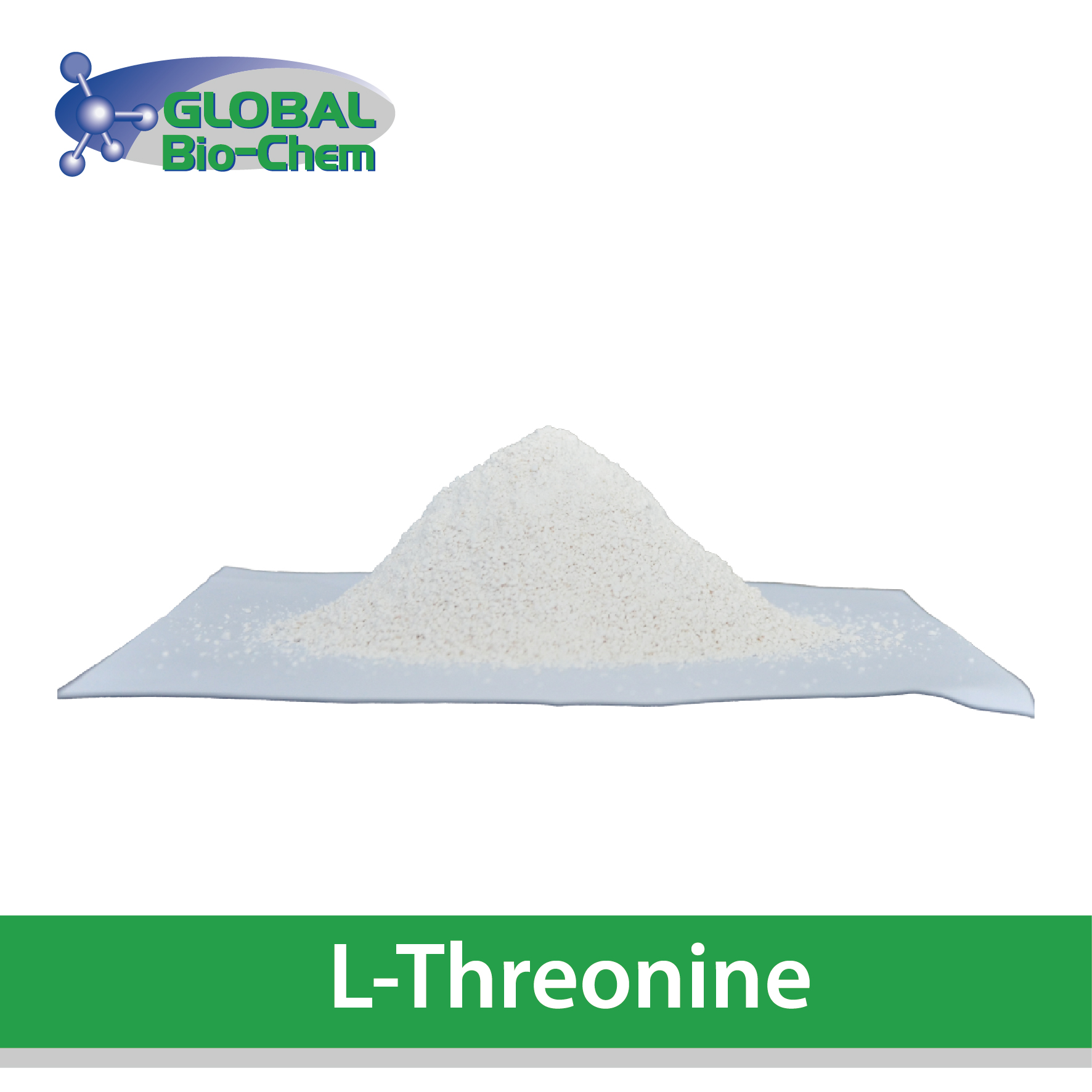
L-Threonine (Feed Grade) Product Description L-threonine is one of the essential amino acids. Not only is it necessary for the protein synthesis, also it plays an important role in protecting the inte
On 3 March, it was reported that a new study published in Cell Metabolism suggests that metabolic pathways play a decisive role in memory problems in Alzheimer's disease (dementia), and that a specifi
Food-grade lactic acid is an organic acid widely used in food, beverages, pharmaceuticals, and daily chemicals, requiring stringent purity and safety standards (e.g., heavy metals ≤0.001%, arsenic sal
Scroll down to load more.
Load moreProduct Inquiry