I. What Is Nervonic Acid Nervonic acid is a very-long-chain monounsaturated fatty acid (C24:1), first identified in the white matter of human and mammalian brains. It is a core structural component of
1.1. Global Momentum: Two Ingredients at the Intersection of Neuro-Health Demand Neuro-health is emerging as one of the fastest-growing segments in the global wellness industry. Aging populations, ris
The relentless pursuit of efficacy in the nutraceutical and functional food industries constantly grapples with a fundamental challenge: how to deliver sensitive, bioactive compounds to their target s
I. Core Functions and Mechanisms Acidity Regulation a) Lactic acid delivers a mild and lingering acidity , neutralizing sweetness while enhancing flavor complexity in beverages, confectionery, and bak
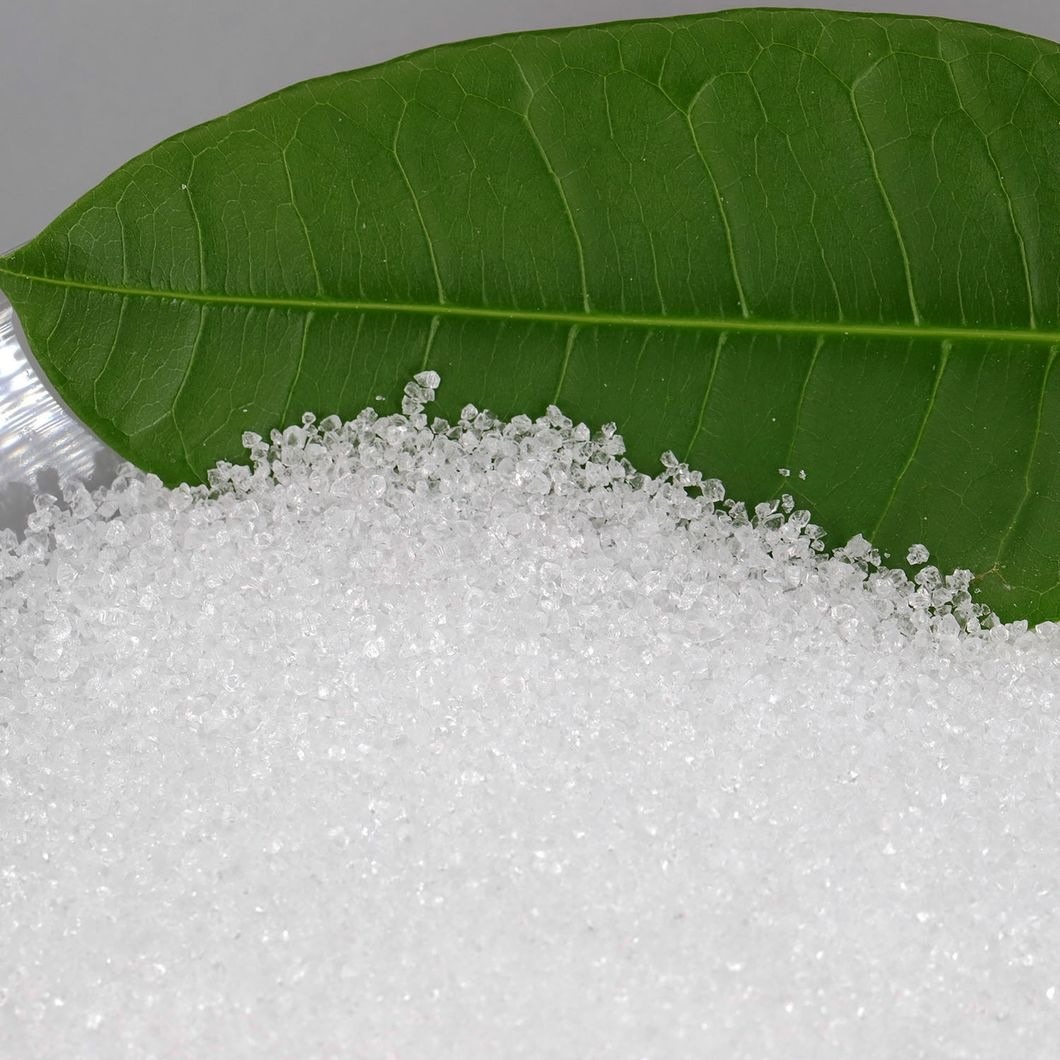
Anhydrous citric acid is a versatile organic acid used primarily as an acidulant, preservative, antioxidant, and pH adjuster, and is widely used in food, medicine, cosmetics, and industrial applicatio
Food-grade lactic acid is an organic acid widely used in food, beverages, pharmaceuticals, and daily chemicals, requiring stringent purity and safety standards (e.g., heavy metals ≤0.001%, arsenic sal
Tea contains a large number of free amino acids, most of which have an asymmetric carbon atom and can form two chiral isomers with mirror image symmetry of each other, called L-type and D-type amino a
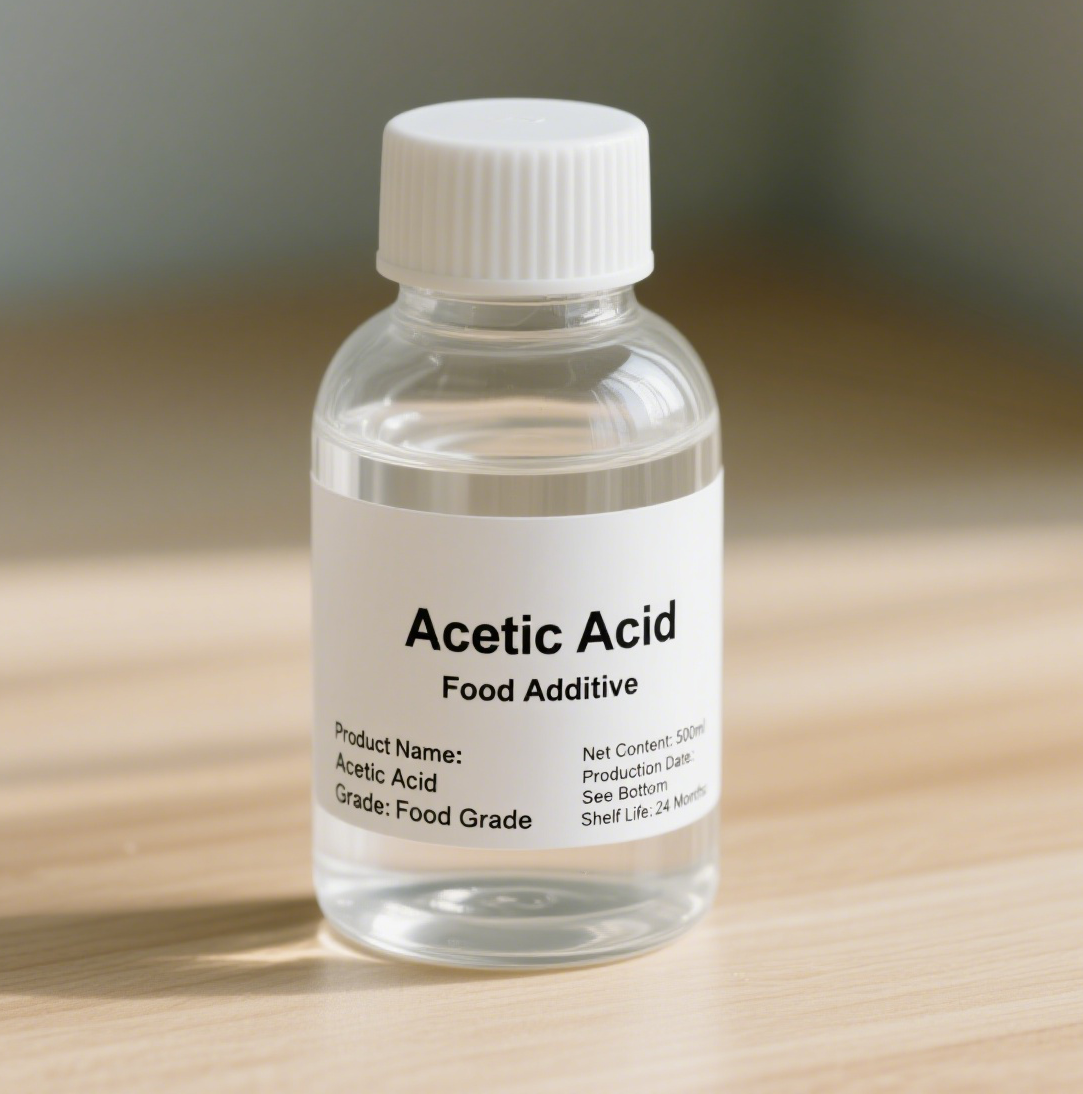
Natural acetic acid outperforms synthetic counterparts in environmental friendliness (biodegradability, zero heavy metals), bioactivity (synergy with probiotics, immune enhancement), and safety (direc
Anhydrous citric acid is the most widely distributed organic acid in fruits and vegetables and the most widely used acidulant in foods. Anhydrous citric acid, also known as citric acid, is an importan