Caramel Color Production Techniques
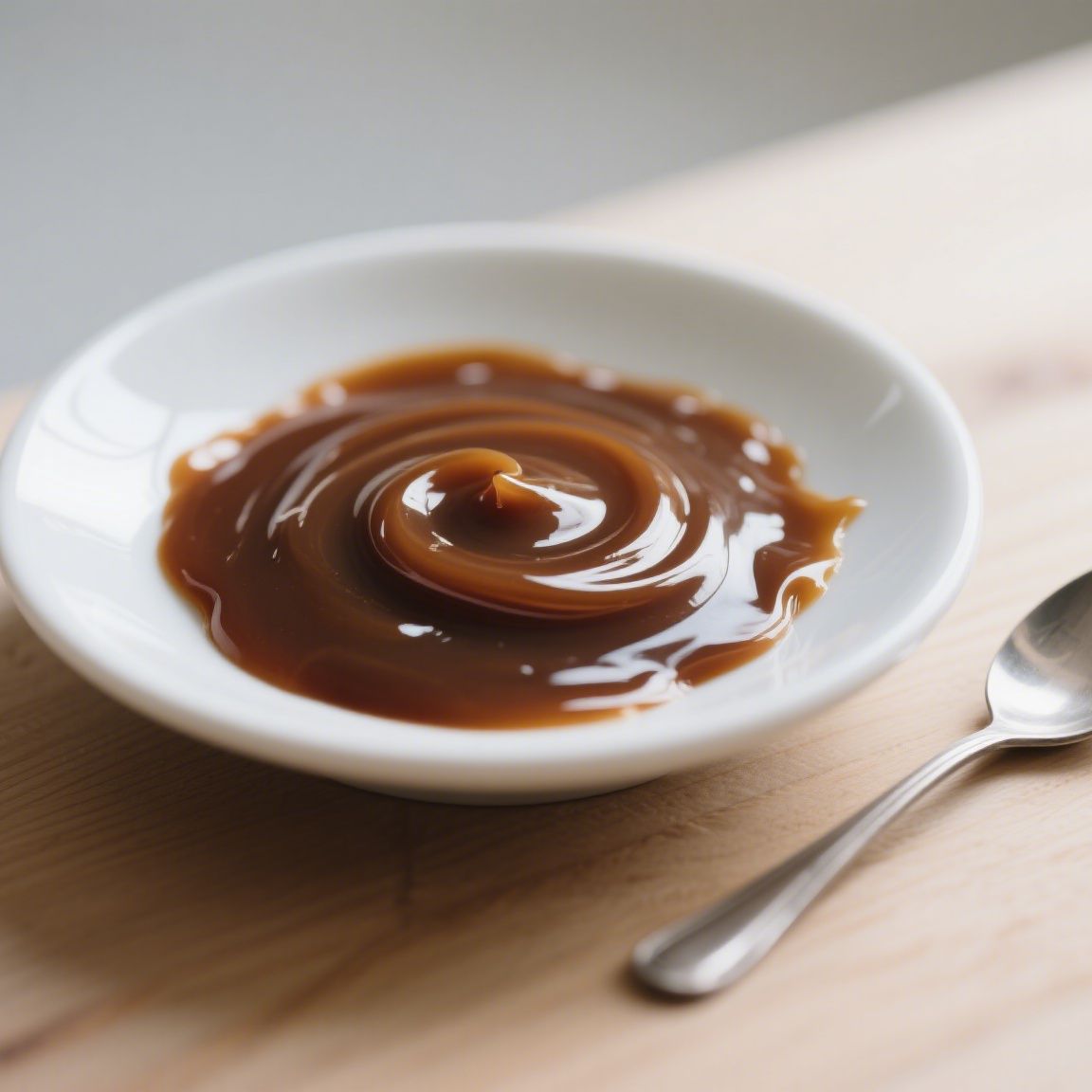
I. Classification and Processes of Mainstream Production Techniques 1. Atmospheric Pressure Method (Open Pot Cooking) Principle : Sugar materials (sucrose, glucose syrup, etc.) are directly heated and

I. Classification and Processes of Mainstream Production Techniques 1. Atmospheric Pressure Method (Open Pot Cooking) Principle : Sugar materials (sucrose, glucose syrup, etc.) are directly heated and
Weak Consumption, Falling Milk Prices & Rising Costs: The Dairy Industry Explores New Tracks for High-Quality Growth Amid Slowing Growth Release Date: July 22, 2023 | Source: Online | Page Views: 848
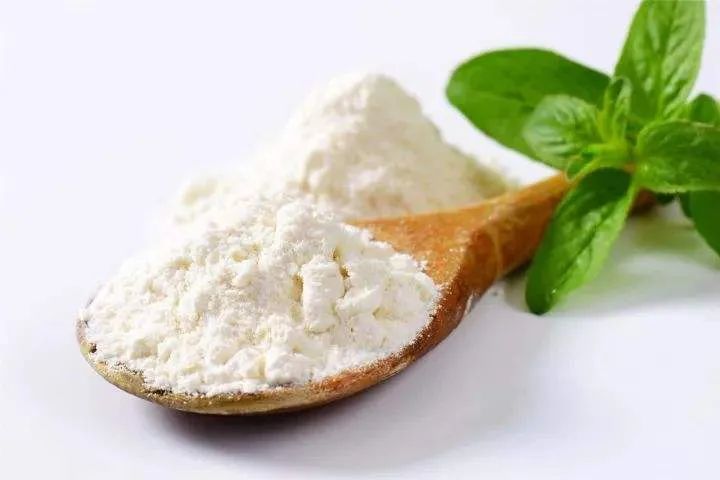
Maltodextrin is rich in vitamin D and vitamin E, which can increase the absorption of calcium ions by bones, reduce the probability of osteoporosis, whiten the skin, remove facial pigmentation, promot
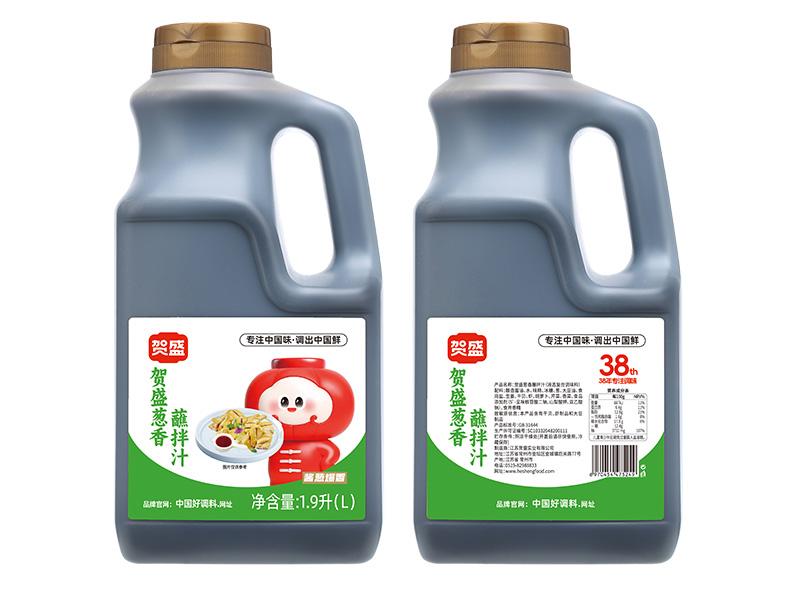
If your sauce tastes different every shift, the cause is almost never the recipe — it is a handful of unmeasured variables compounding between the prep pot and the plate. Most kitchens respond by re-t
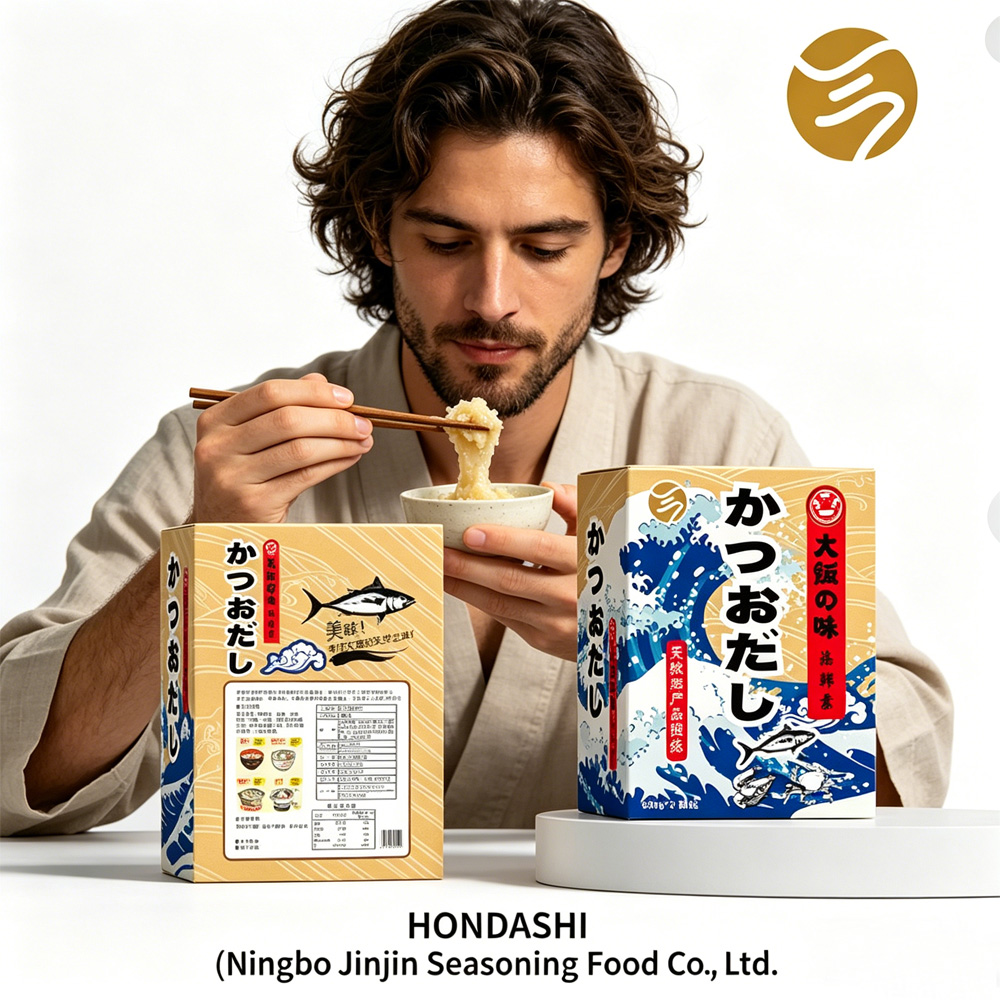
This premium bonito dashi liquid seasoning is crafted following classic Japanese food production standards, made from carefully selected dried bonito and natural seafood ingredients to deliver authent
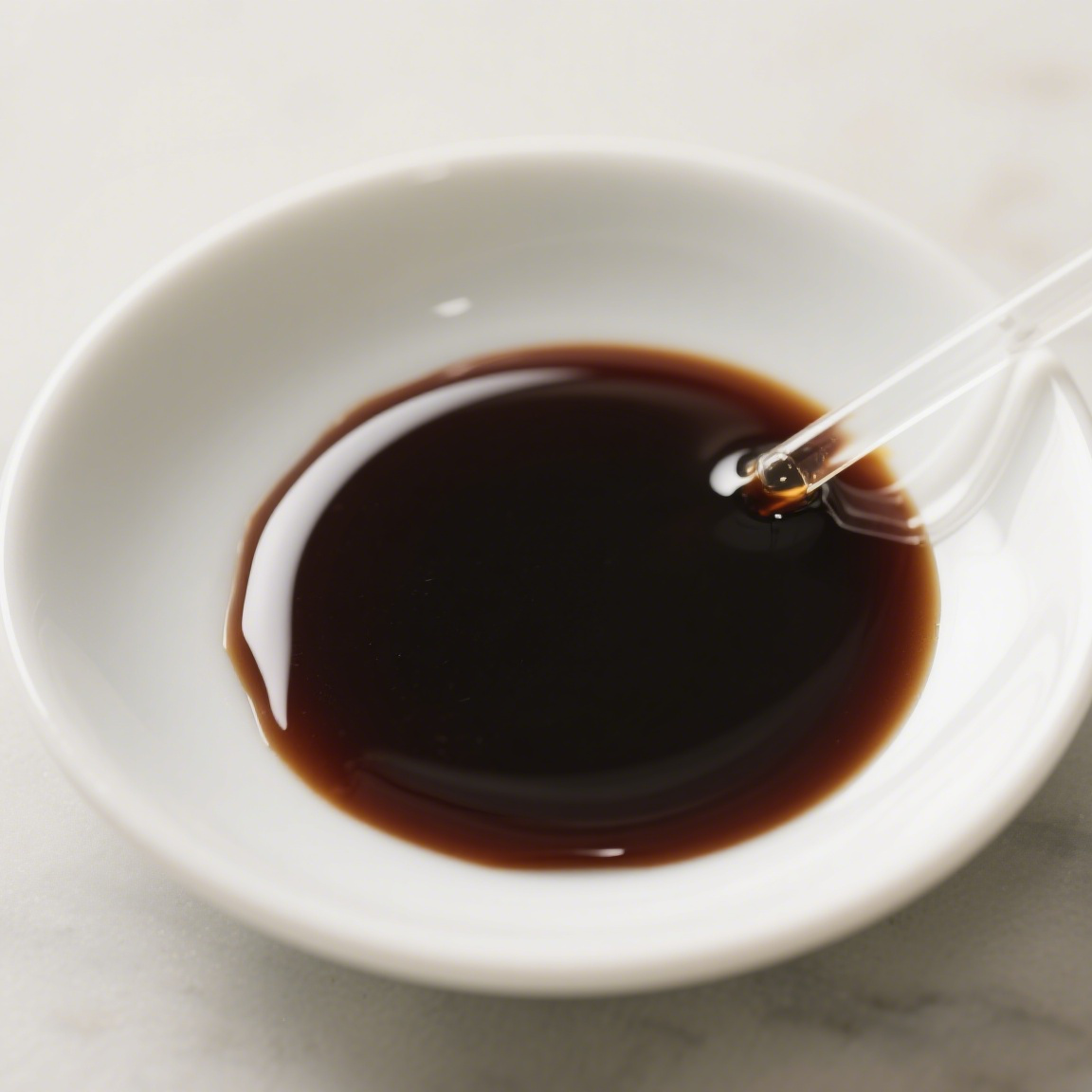
Core Advantages of Caramel Color 1. Natural Attributes and Safety Advantages Historically Natural Pigment : Caramel color is produced from sugars (e.g., sucrose, glucose) through high-temperature dehy
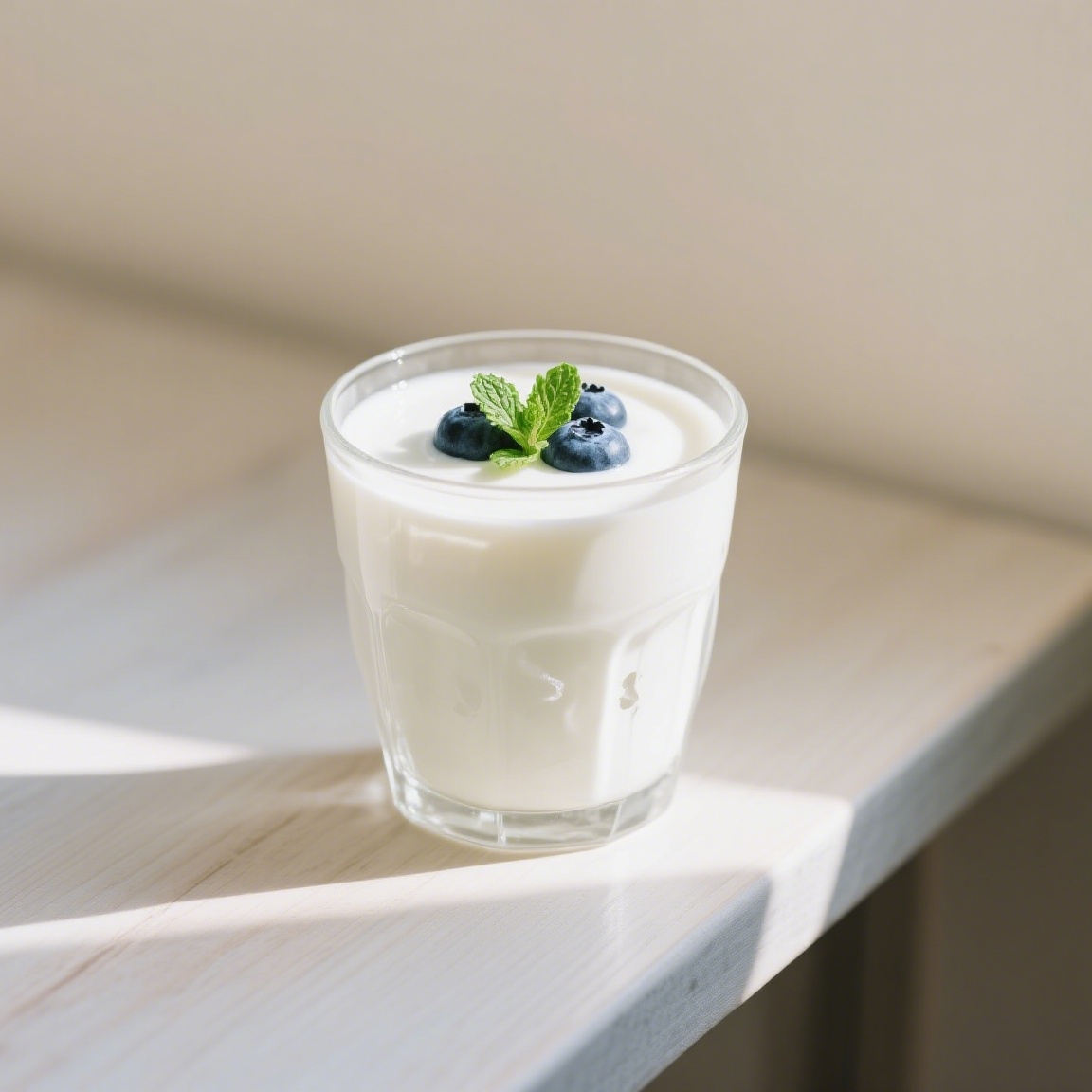
I. Core Functions of Lactic Acid in Yogurt Precision Flavor Regulator Lactic acid (C₃H₆O₃) provides a mellow and sustained sourness , with a broad pH adjustment range (2.0-7.0), neutralizing the alkal
The official promulgation of the 2025 edition of the Chinese Pharmacopoeia marks a step forward for China's drug standard system towards a more scientific, rigorous and internationalized direction. Th
Chengzhi Shares: Total assets exceed 25.7 billion yuan, operating revenue hits new high On March 13, 2024, Chengzhi Co., Ltd. (stock code: 000990) released its 2023 annual report, achieving a total op
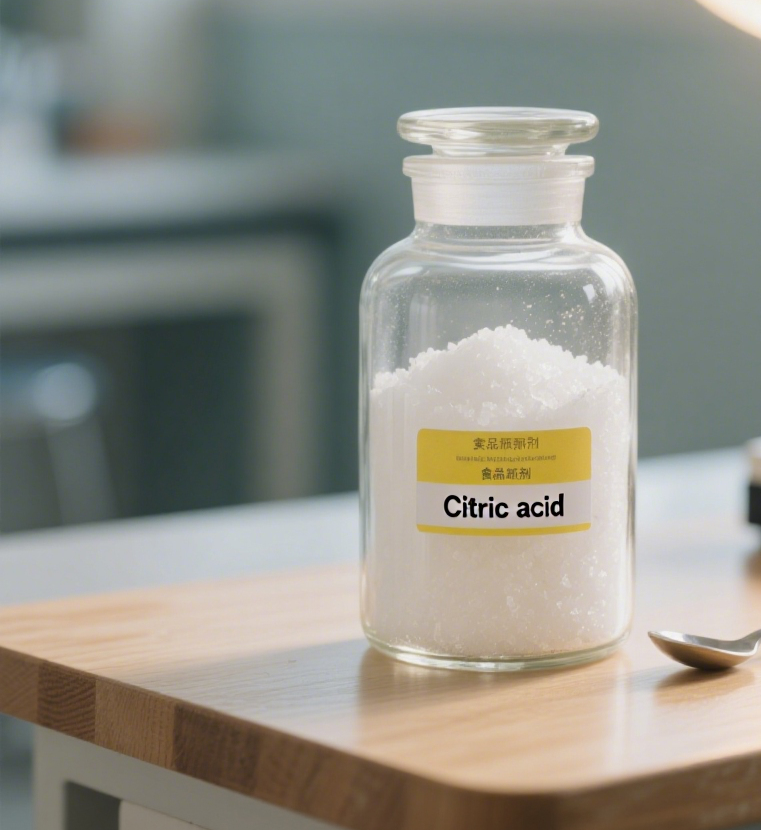
Citric acid (2-hydroxy-1,2,3-propanetricarboxylic acid), the most widely utilized organic acidulant, constitutes over two-thirds of global acidulant consumption. Existing primarily as citric acid mono
Scroll down to load more.
Load moreProduct Inquiry