Y-aminobutyric acid and health and so on
γ-AminobutyricAcid (GABA) is a naturally occurring non-protein functional amino acid, which is an important inhibitory neurotransmitter in the mammalian central nervous system, and has a regulatory ef
γ-AminobutyricAcid (GABA) is a naturally occurring non-protein functional amino acid, which is an important inhibitory neurotransmitter in the mammalian central nervous system, and has a regulatory ef
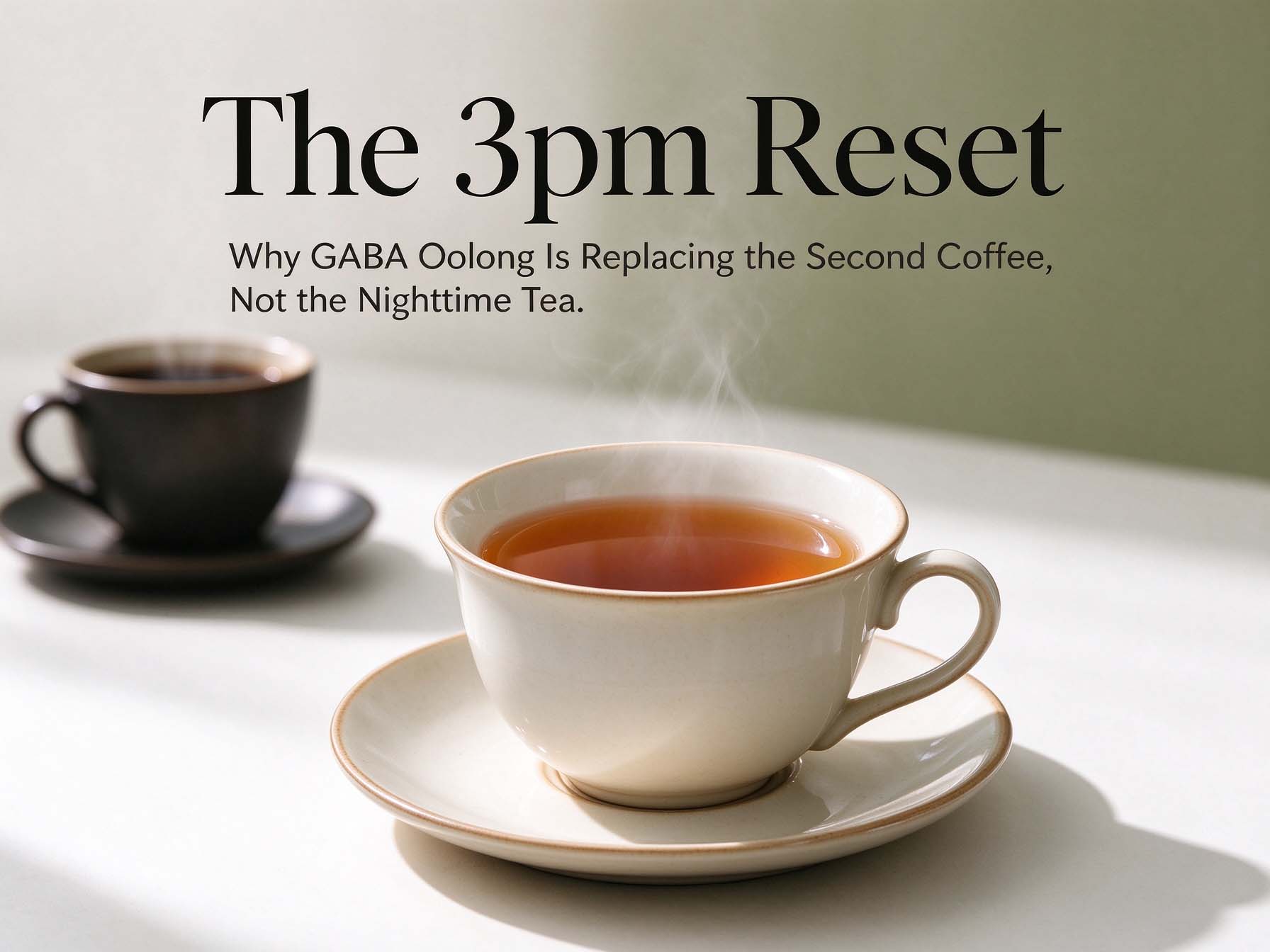
The 3pm Reset: Why GABA Oolong Is Replacing the Second Coffee, Not the Nighttime Tea The functional tea conversation has been stuck between “wake up” and “wind down.” PINXIAOMAN is betting the most va
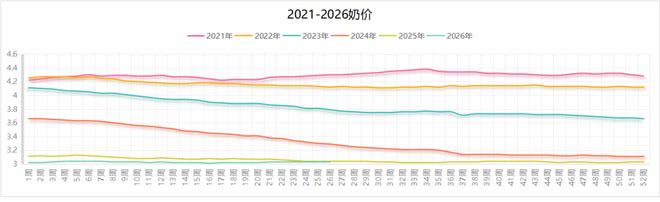
Spot Market Report Week 26: Weak Retail Demand Weighs on Domestic Dairy Raw Materials; Surplus Cream Worsens Amid Rising Skim Milk Powder Output Author: Lucine 01 Domestic Raw Milk Prices As of June 2
The North American dietary supplement market is witnessing a major shift from conventional tablets and capsules toward innovative, convenient delivery formats. Oral dissolving strips (Oral Thin Films)
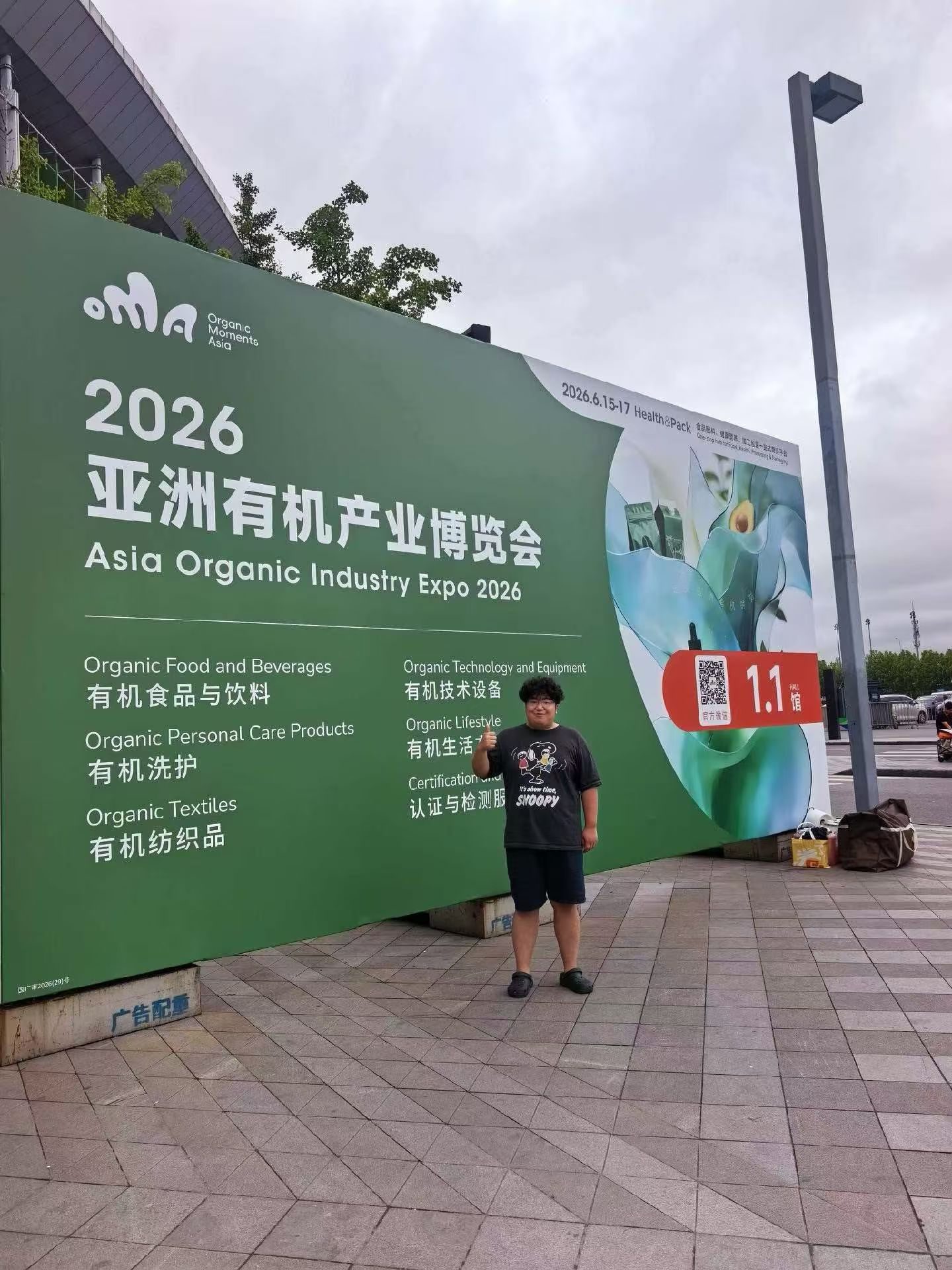
Recently, the Asia Organic Industry Expo 2026 was successfully held. Wangzihao Yuhao Tea Factory from Mengku Town, Shuangjiang Autonomous County, Lincang, Yunnan, exhibited its forest organic tea and
Weak Consumption, Falling Milk Prices & Rising Costs: The Dairy Industry Explores New Tracks for High-Quality Growth Amid Slowing Growth Release Date: July 22, 2023 | Source: Online | Page Views: 848
GABA is an amino acid that the body can synthesise on its own, and it is also contained in some foods such as beans, so under normal circumstances, there is no need for a special intake of GABA. Howev
On 3 March, it was reported that a new study published in Cell Metabolism suggests that metabolic pathways play a decisive role in memory problems in Alzheimer's disease (dementia), and that a specifi
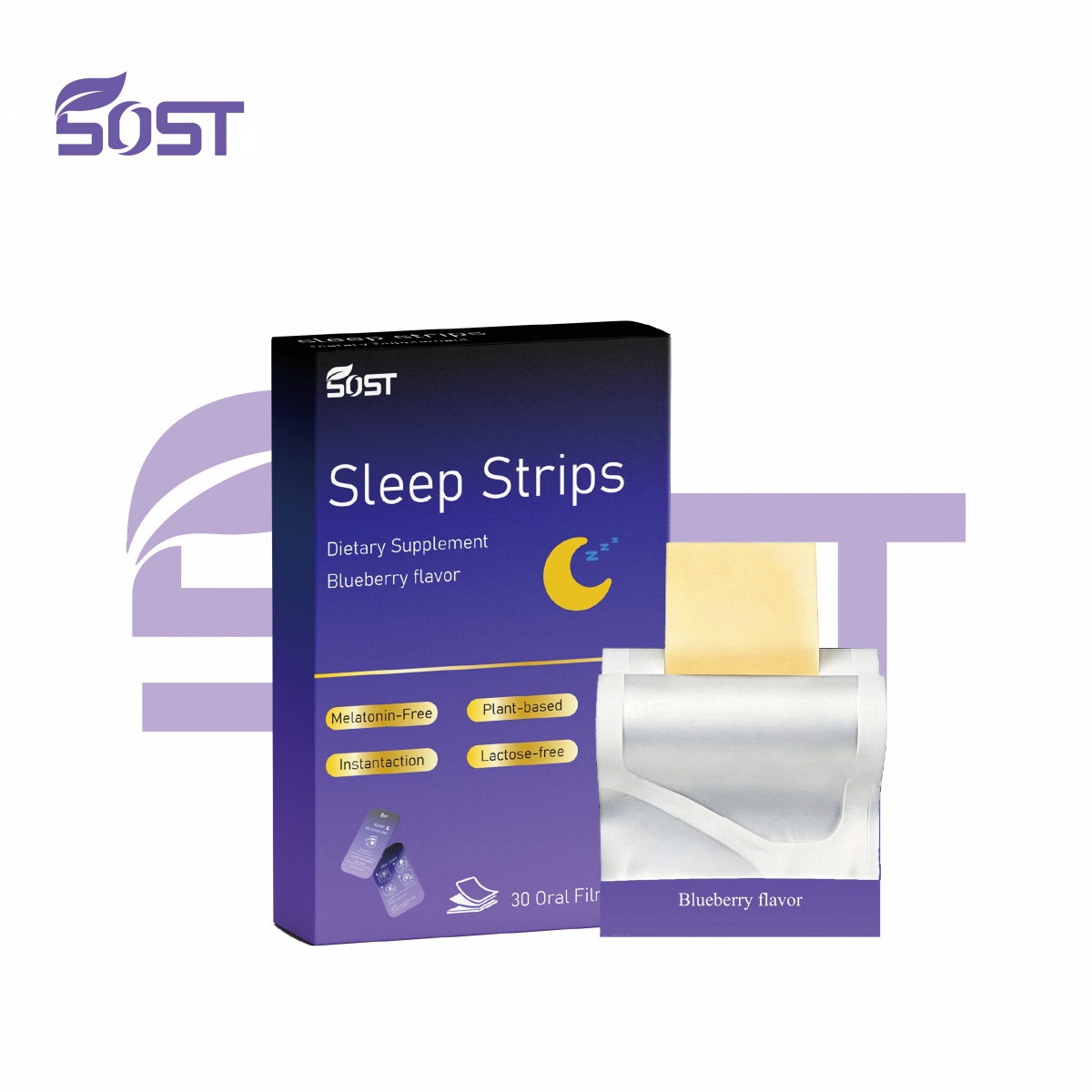
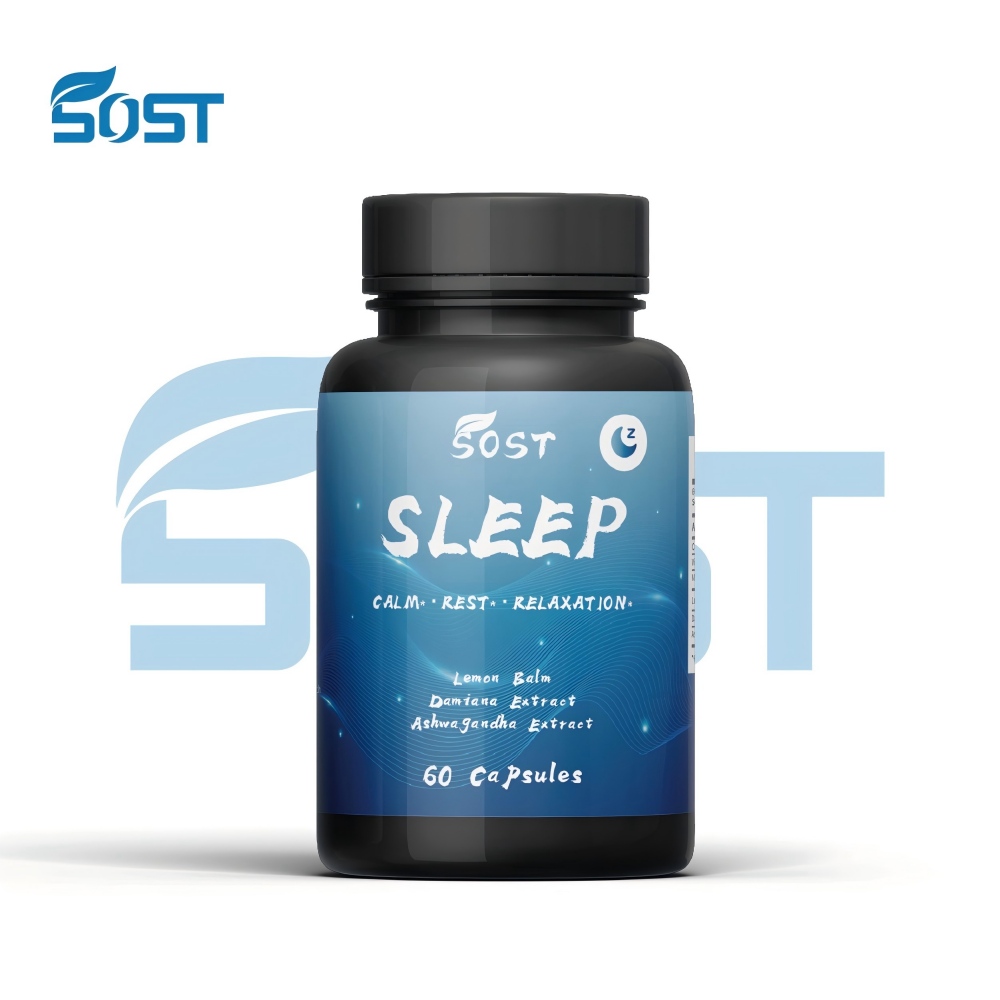
OEM Sleep Capsules: Your Ultimate Weapon Against Sleepless Nights! Core Keyword: OEM Sleep Capsule Formulation Published by Youth Biotech CO,. Ltd. | Professional Manufacturer of Custom Health & Herba
Tea contains a large number of free amino acids, most of which have an asymmetric carbon atom and can form two chiral isomers with mirror image symmetry of each other, called L-type and D-type amino a
Scroll down to load more.
Load moreProduct Inquiry