
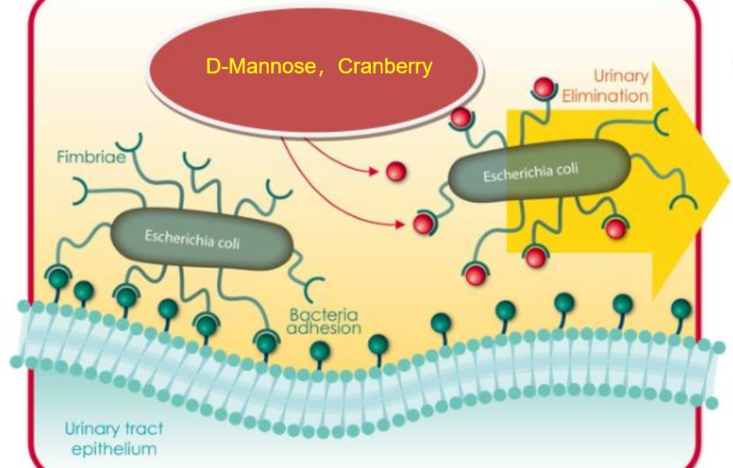
Urinary tract infections have a recurrence rate of up to 35% within six months, and the majority of them are caused by the main pathogenic bacteria. Escherichia coli is a bacterium in the human gut that can easily cause urinary tract infections, especially recurrent urinary tract infections, if it flows towards the urinary tract. Escherichia coli has an important organ called pili, which has a tentacle like surface.
This tentacle shaped pili, like the hands of E. coli, can be inserted into the walls of the urinary tract and colonize in the urinary tract. Escherichia coli binds to the urethral wall through surface pili and proliferates massively under certain conditions, triggering an inflammatory response. This is also the reason why urinary tract infections are prone to recurrence, as pathogenic bacteria have not been completely eliminated.
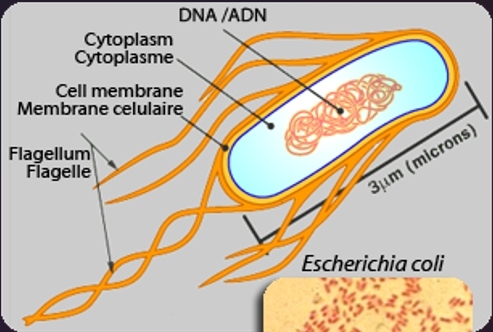
The optimal growth conditions for Escherichia coli are 37 ℃ and a humid environment, pH4.0~9.0, The highest salinity is 6.5%. It can be said that the urinary system is highly conducive to the proliferation of Escherichia coli.
D-mannose is a favorite food of Escherichia coli, and its attraction to Escherichia coli is greater than that of the urethral wall. D-mannose directly binds to pili, causing Escherichia coli to detach from the urethral wall.
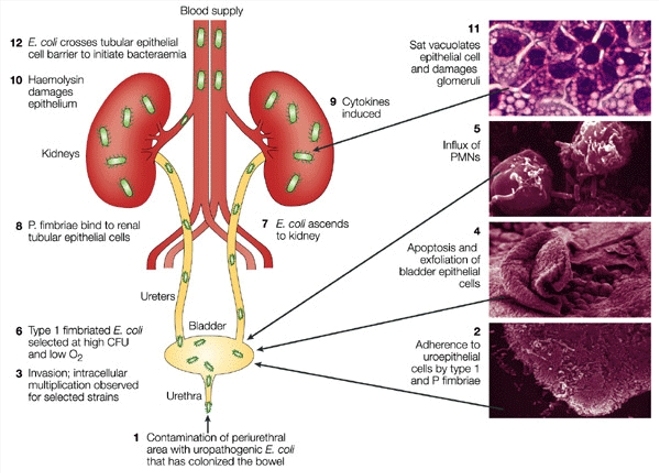
The above principle indicates that the mechanism of action of D-mannose is milder. Moreover, D-mannose does not develop drug resistance, and it is a completely new way of eliminating bacteria that is painless in sterilization. It can be used alone for the treatment of urinary tract infections or in combination with antibiotics.