
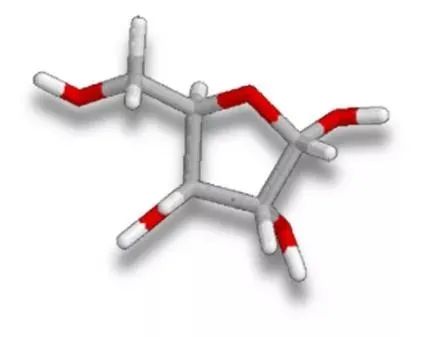
As an important component of the genetic material RNA in living organisms and a natural component present in all cells, D-ribose plays a crucial role in human health. It is widely used in fields such as sports nutrition, heart health, and artificial meat.
D-ribose is a natural pentose sugar that exists in all cells. It is a component of nucleotides, various coenzymes, as well as DNA and RNA. D-ribose is also a structural component of the energy substance adenosine triphosphate (ATP) and plays an important physiological role in the synthesis and metabolic conversion of energy substances. It can be said that D-ribose is a natural, safe, and effective source of energy.
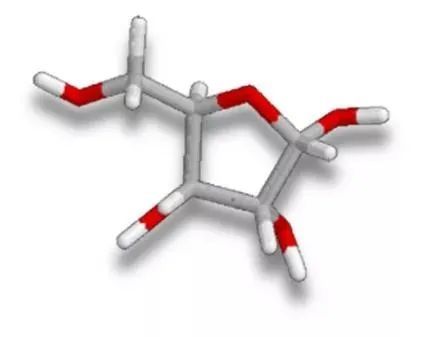
Compared with glucose, D-ribose converts ATP more quickly and effectively. After entering the human body, glucose substances undergo complex chemical reactions, oxidize into water and carbon dioxide, and synthesize ATP through the released energy. After entering the human body, D-ribose can be directly converted into ATP, which charges the body more quickly and effectively, providing sustained power for the body.