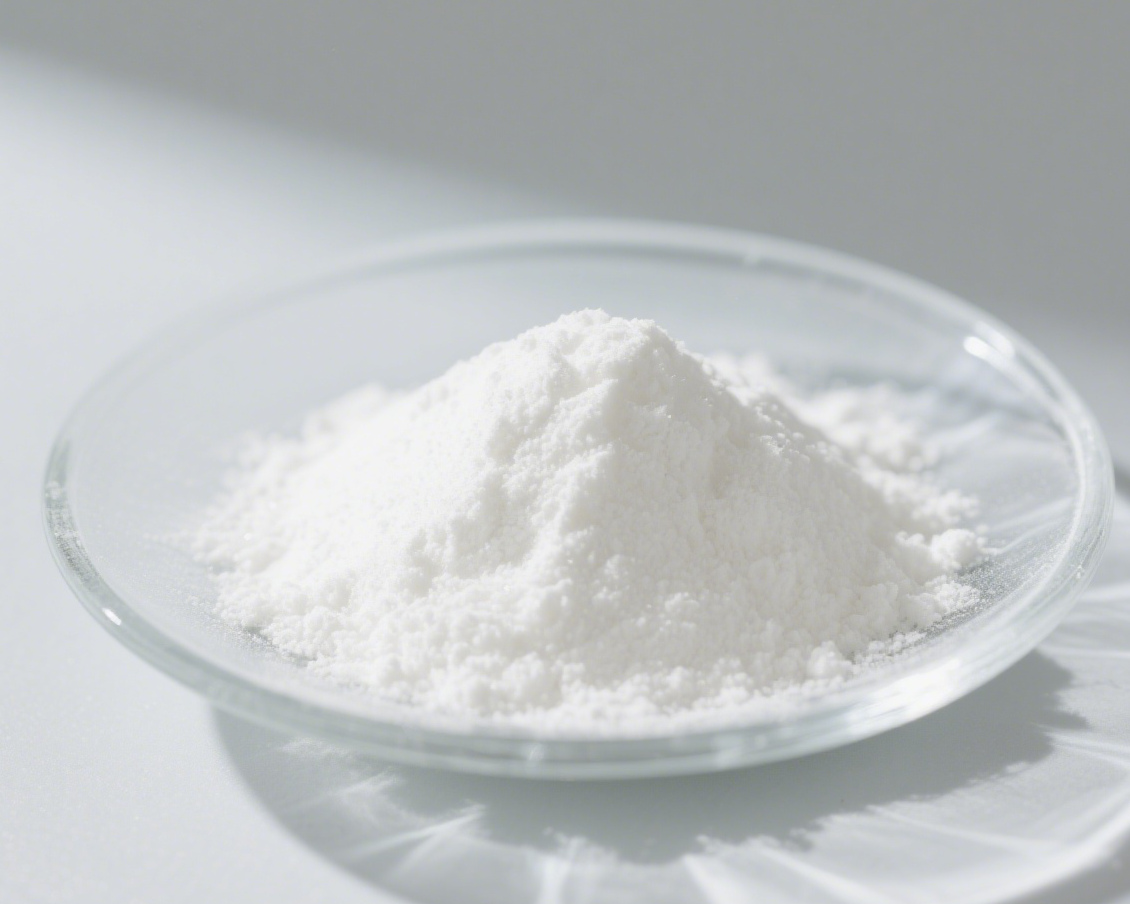
Food-grade lactic acid is an organic acid widely used in food, beverages, pharmaceuticals, and daily chemicals, requiring stringent purity and safety standards (e.g., heavy metals ≤0.001%, arsenic sal
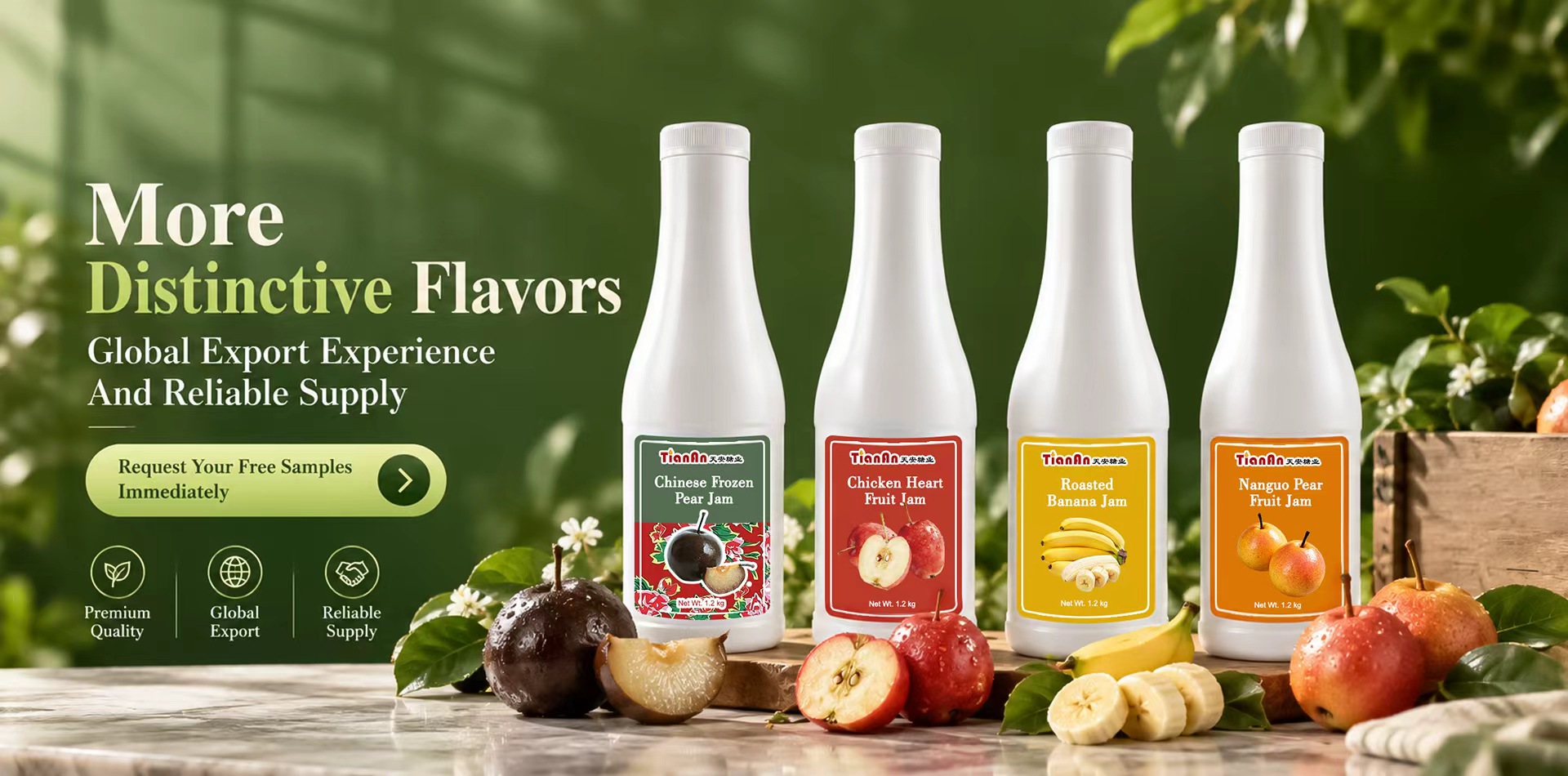
The production process of syrup is divided into acid method, enzymatic method, and acid-enzymatic method. Different processes have different sweetness, guminess, thickening properties, moisture retent
Carrageenan dissolved in hot milk forms a gel when cooled. K-type medium milk is brittle in gelatinity and is easy to dehydrate and shrink. Adding phosphate, carbonate or citrate to chelate or precipi
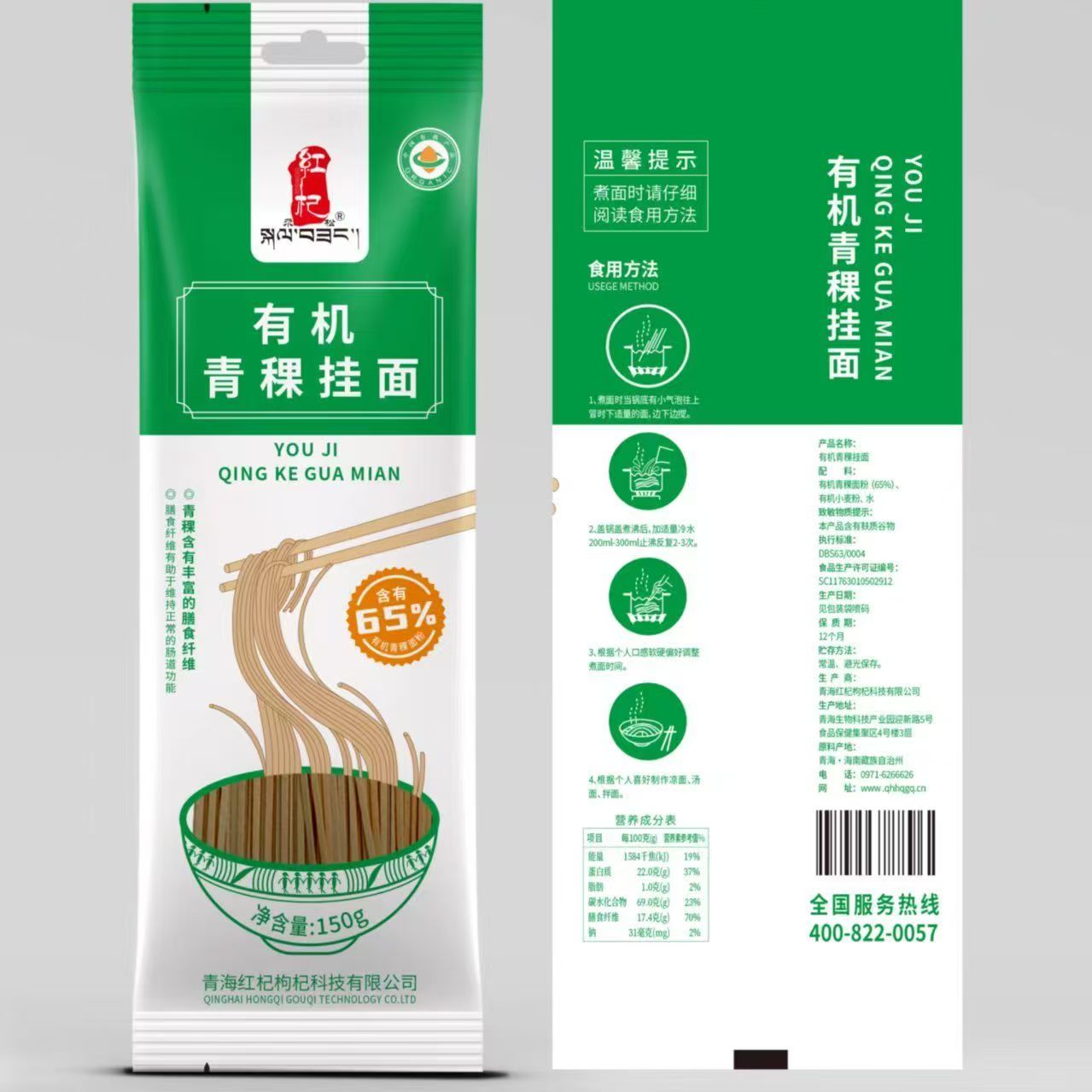
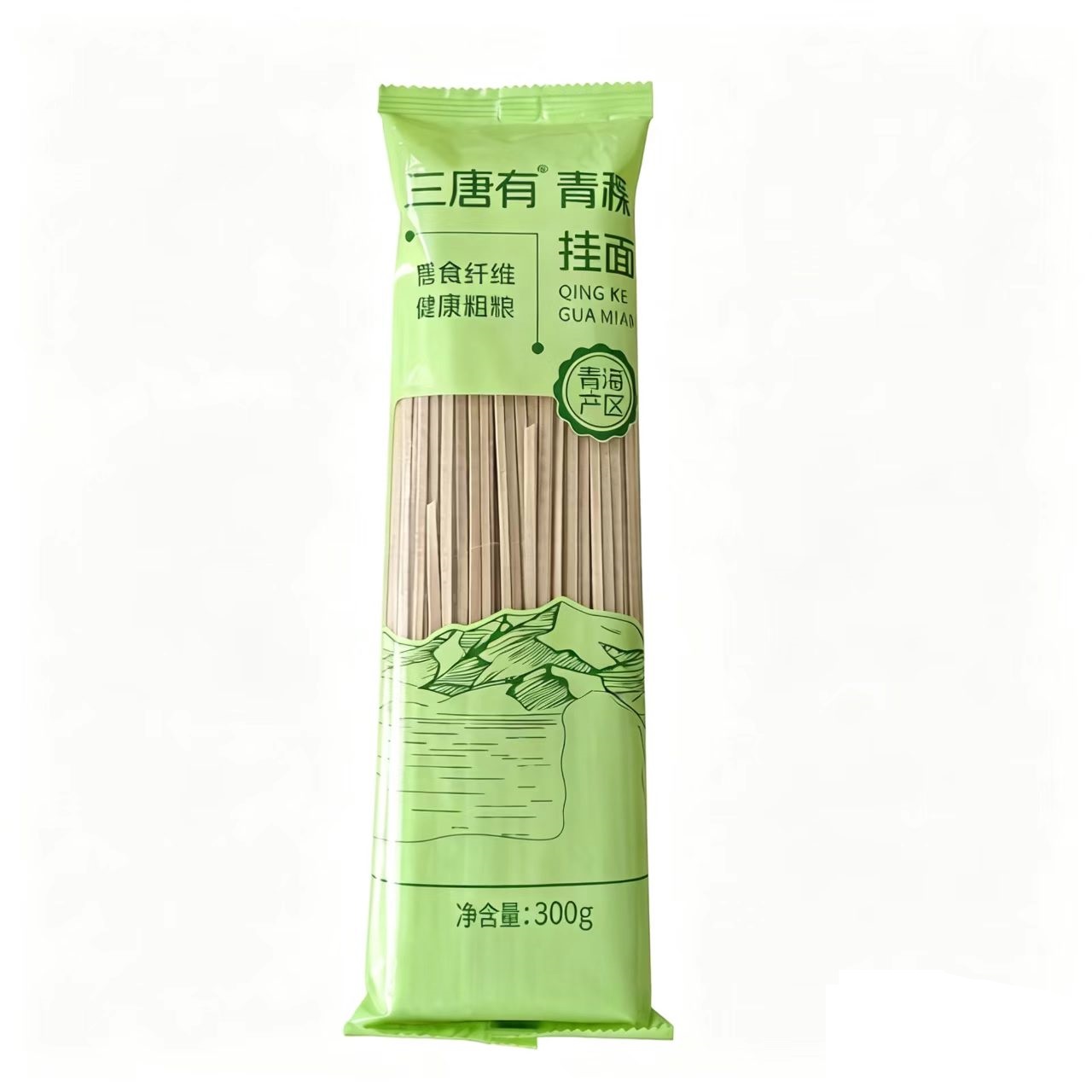
In an era where fast-paced life often makes balanced nutrition a luxury, we redefine healthy daily diet with all-round multigrain healthy food series, integrating natural whole-grain essence and fresh
With the continuous upgrading of people’s awareness of healthy consumption, low-fat, high-fiber and nutritionally balanced whole-grain diets have become a mainstream consumption trend, driving traditi
As the year draws to a close and the flavor of the New Year grows stronger, the footsteps of the 2026 Spring Festival are quietly approaching. Consumer demand for family stock-ups and gatherings with
As the most widely used organic acidulant globally, citric acid holds a pivotal position in China's food industry. This report analyzes its production technology and application scenarios. I. Manufact
1. What are pigments: The substances that make various substances produce various colors are pigments. We see various colorful foods every day because they contain various pigments, so we see foods wi
Natural pigments are natural coloring substances obtained by extraction and purification from plant, animal and microbial resources. Natural pigments are divided into many types according to different
Recent Research Highlights the Importance of Dietary Fiber Structure and Function Dietary fiber continues to attract attention in food science as manufacturers seek ingredients that combine nutritiona