
Recent Research Highlights the Importance of Dietary Fiber Structure and Function
Dietary fiber continues to attract attention in food science as manufacturers seek ingredients that combine nutritional value with practical functionality. Recent research published in October 2026 has explored the production, structural characteristics, potential health benefits, and food applications of tapioca resistant maltodextrin, highlighting the importance of ingredient properties in the development of functional foods.
The review, published in Carbohydrate Polymer Technologies and Applications, discusses how processing methods influence the molecular structure and functional properties of tapioca resistant maltodextrin. It also identifies potential applications in functional food formulation, while emphasizing the need for further clinical validation and consistent production standards.
These findings highlight an important consideration for food manufacturers: selecting a dietary fiber requires more than evaluating its fiber content alone. Solubility, viscosity, stability, processing compatibility, and the characteristics of the finished product can all influence ingredient performance.
Resistant Dextrin: A Versatile Ingredient for Dietary Fiber Enrichment
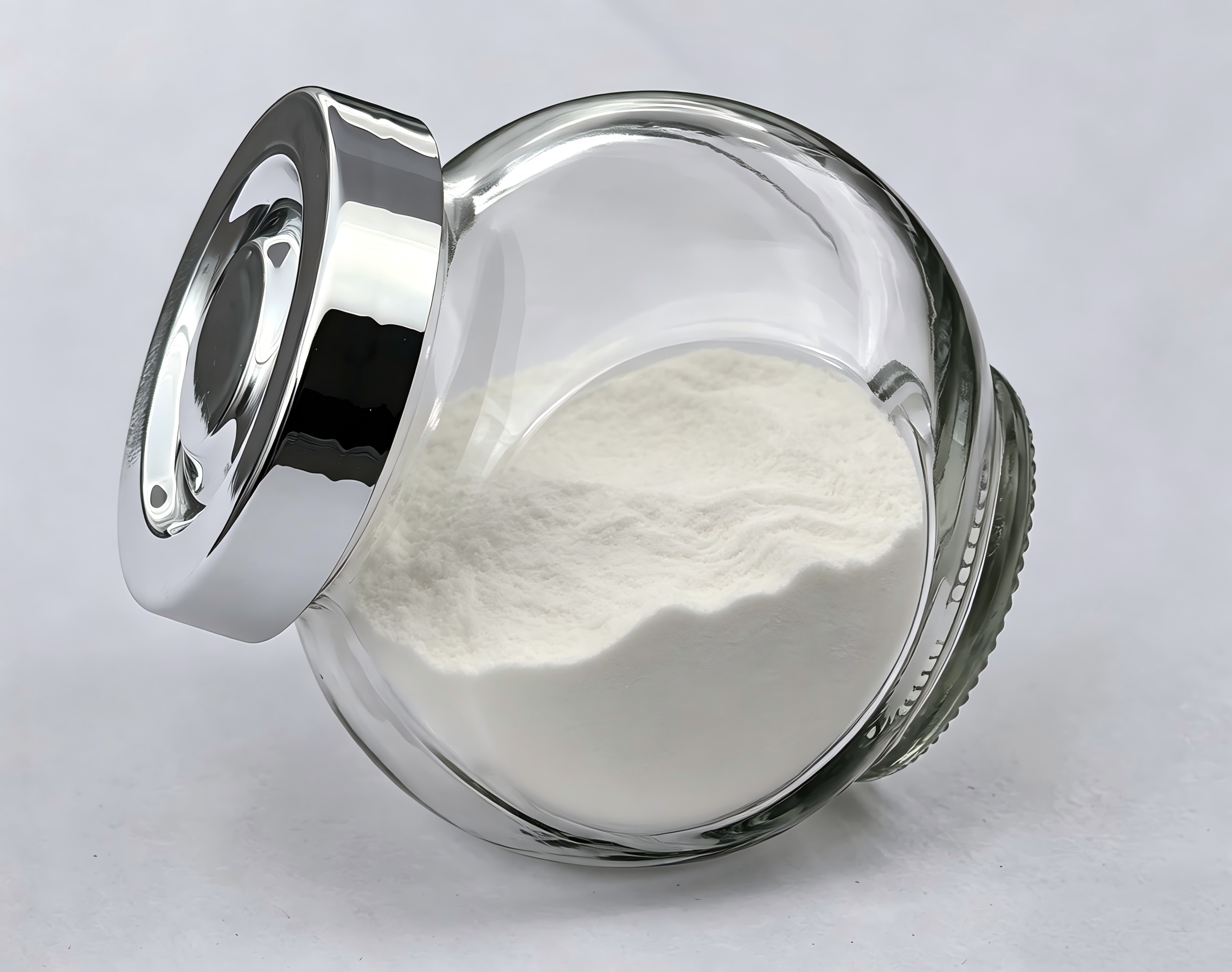
Resistant dextrin is a soluble dietary fiber that can be incorporated into a range of food and beverage formulations. Its suitability for a particular application depends on its specifications, dosage, and interaction with other ingredients.
For manufacturers developing fiber-enriched products, resistant dextrin offers an option to increase dietary fiber content while considering the sensory and processing requirements of the finished product. Potential applications include beverages, powdered nutritional products, dairy-style formulations, and other functional food systems, subject to formulation testing.
At Shandong Bailong Chuangyuan Bio-tech Co., Ltd., resistant dextrin is part of a broader portfolio of functional carbohydrates designed to support different formulation needs. Available product options include corn-based and tapioca-based resistant dextrin, providing manufacturers with alternatives to evaluate according to their raw material preferences and application requirements.
Beyond Fiber Enrichment: The Role of Prebiotics
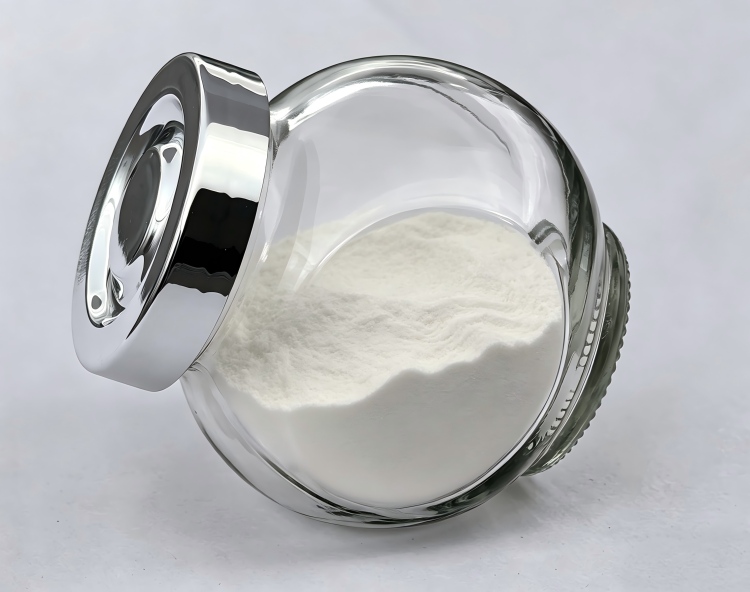
Alongside dietary fiber, prebiotics are receiving continued attention for their interactions with the gut microbiota. Research published in October 2026 also reviewed how prebiotic dietary fibers, including fructooligosaccharides (FOS) and xylooligosaccharides (XOS), are fermented by intestinal microorganisms and how this process relates to short-chain fatty acid production.
The review highlights both the potential of prebiotic ingredients and the variability of responses among individuals. Ingredient characteristics, dietary patterns, and other factors can influence outcomes, reinforcing the importance of evidence-based formulation and appropriate product positioning.
For food manufacturers, different prebiotic ingredients can offer distinct formulation opportunities:
-
Fructooligosaccharides (FOS): An established prebiotic ingredient for selected food, beverage, and nutritional applications.
-
Galactooligosaccharides (GOS): A prebiotic carbohydrate used in formulations where galactooligosaccharides are suitable for the intended product and target consumer.
-
Xylooligosaccharides (XOS): A prebiotic ingredient for specialized functional food and nutrition applications.
-
Isomaltooligosaccharides (IMO): An ingredient that can be evaluated for selected food formulations according to its specifications and intended use.
The choice of ingredient should reflect the desired nutritional positioning, processing conditions, sensory profile, applicable regulations, and appropriate inclusion level.

Supporting Functional Food Development with Ingredient Solutions
As research continues to explore the relationship between dietary fiber structure, technological performance, and gut microbiota, ingredient selection is becoming increasingly application-focused. Manufacturers need reliable specifications and technical information to determine how a fiber or prebiotic will perform within a specific formulation.
Shandong Bailong Chuangyuan Bio-tech Co., Ltd. develops and supplies functional carbohydrates, including dietary fibers, prebiotics, and functional sweeteners. Its portfolio includes resistant dextrin, polydextrose, FOS, GOS, XOS, IMO, and D-allulose, supporting ingredient evaluation across a range of food and nutrition applications.
By considering ingredient functionality alongside nutritional objectives, manufacturers can develop formulations that better align with their product requirements. Collaboration between ingredient suppliers and food developers can help identify suitable raw materials, evaluate processing compatibility, and optimize formulations through application testing.

Looking Ahead
Recent research reinforces the value of understanding how dietary fiber composition, structure, and processing influence ingredient performance. Resistant dextrin and prebiotic oligosaccharides offer different opportunities for food formulation, but their suitability should be assessed according to the specific product, supporting evidence, and relevant regulatory requirements.
As interest in dietary fiber enrichment and prebiotic applications continues, Shandong Bailong Chuangyuan Bio-tech Co., Ltd. remains focused on providing functional ingredient options for manufacturers developing innovative food and nutrition products.

1. Tapioca resistant maltodextrin: Production, characterization, health benefits, food applications, and future perspectives. Carbohydrate Polymer Technologies and Applications, published online October 15, 2026. DOI: 10.1016/j.carpta.2026.101268.
2. Charumathi, K., Kim, S., & Shin, H. (2026). Prebiotic dietary fibers, gut microbiota, and short-chain fatty acid production: from fermentation mechanisms to clinical translation. Frontiers in Microbiology, 17, 1927734. DOI: 10.3389/fmicb.2026.1927734.