I. Production Raw Materials and Pretreatment Raw Material Selection Corn starch, sucrose, or whey (a byproduct of dairy processing) are primarily used as carbon sources, requiring low cost, easy avail
I. Classification and Processes of Mainstream Production Techniques 1. Atmospheric Pressure Method (Open Pot Cooking) Principle : Sugar materials (sucrose, glucose syrup, etc.) are directly heated and
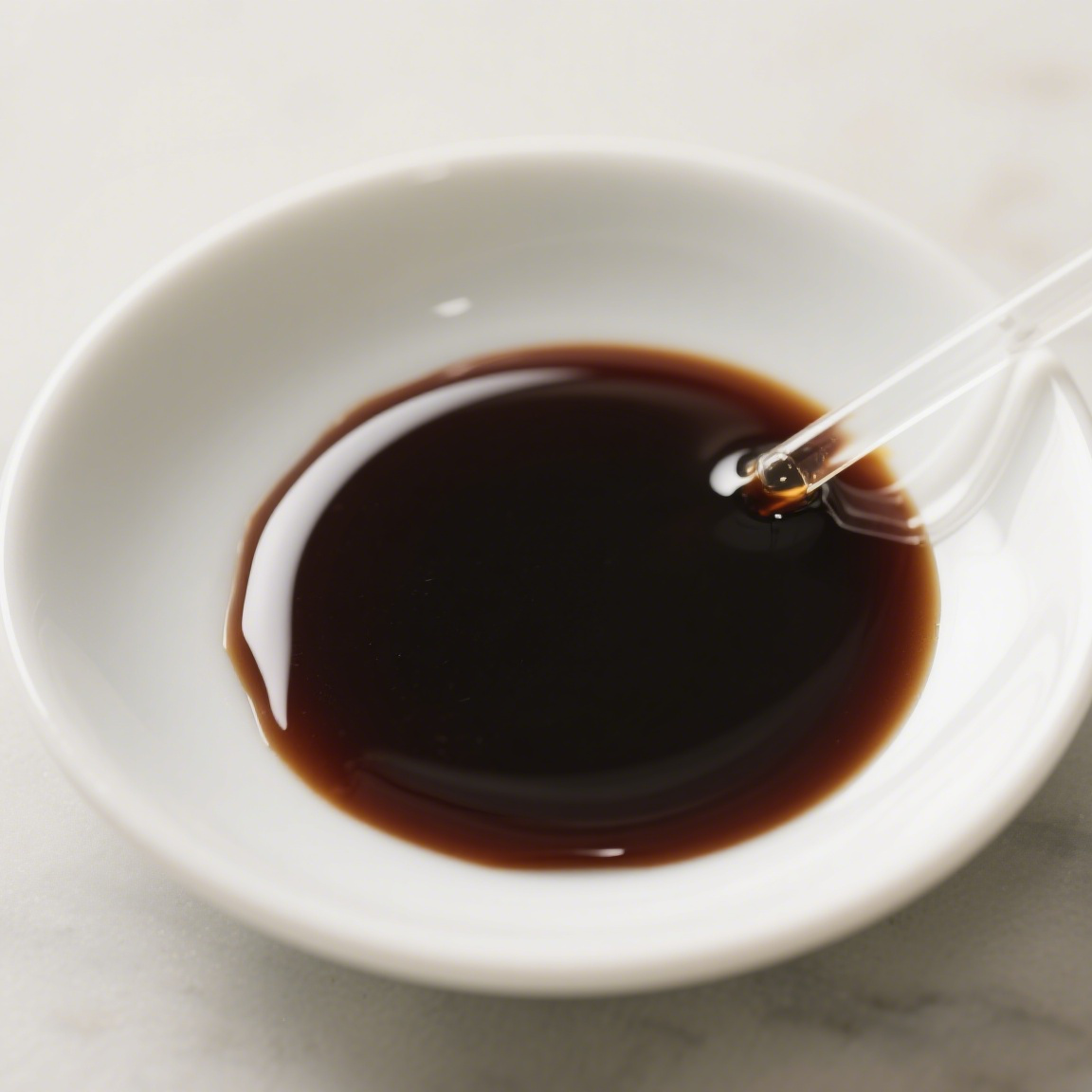
Core Advantages of Caramel Color 1. Natural Attributes and Safety Advantages Historically Natural Pigment : Caramel color is produced from sugars (e.g., sucrose, glucose) through high-temperature dehy
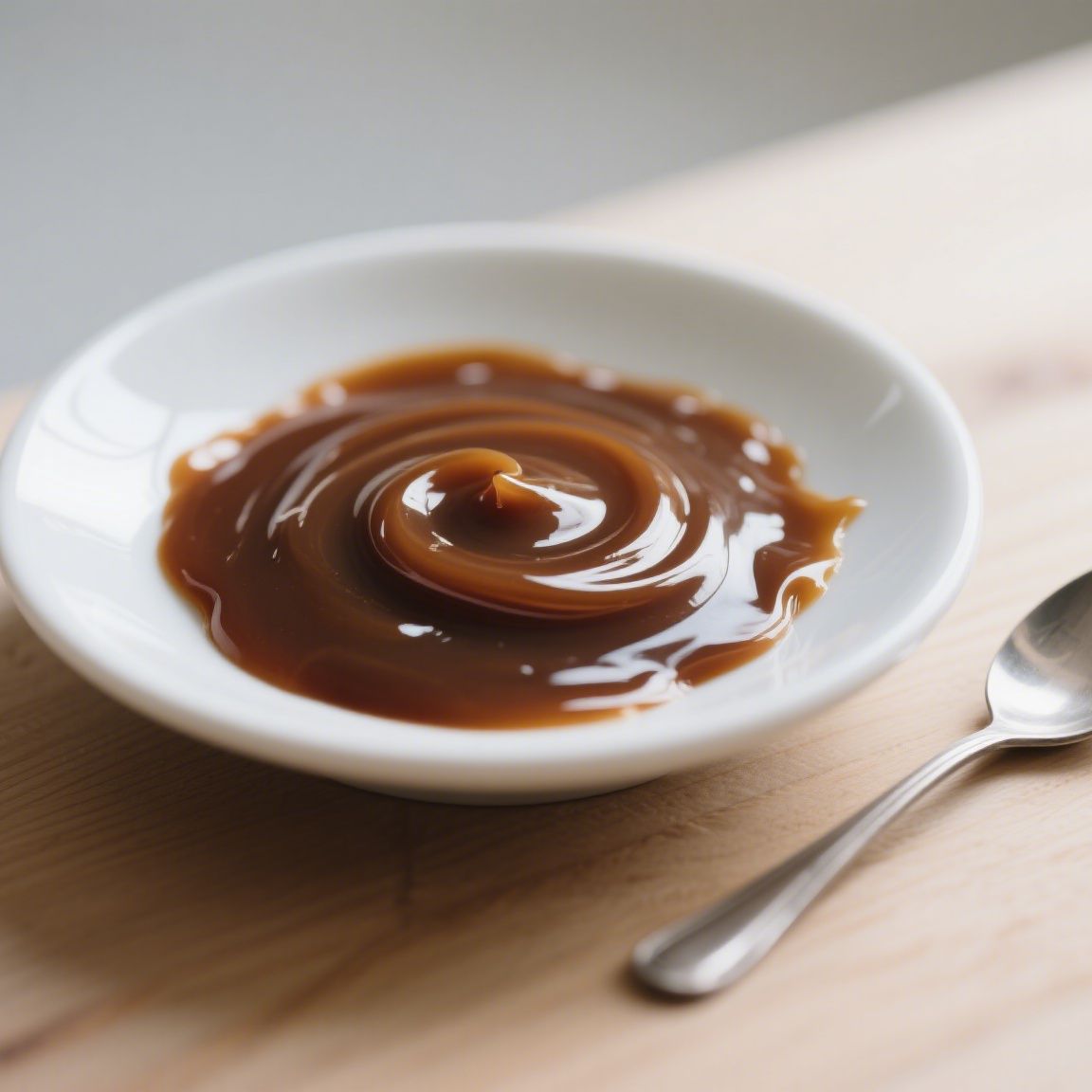
ure pear paste contains exactly one ingredient: pears. No added sugar, no honey, no water, no pectin, no preservatives. Everything else — the amber color, the thick spoonable body, the shelf stability
Congratulations to Xie Liwei, the biological research and development consultant, for securing the new bid for the Olympics Globally, the prevalence of overweight/obesity is increasing rapidly. Obesit
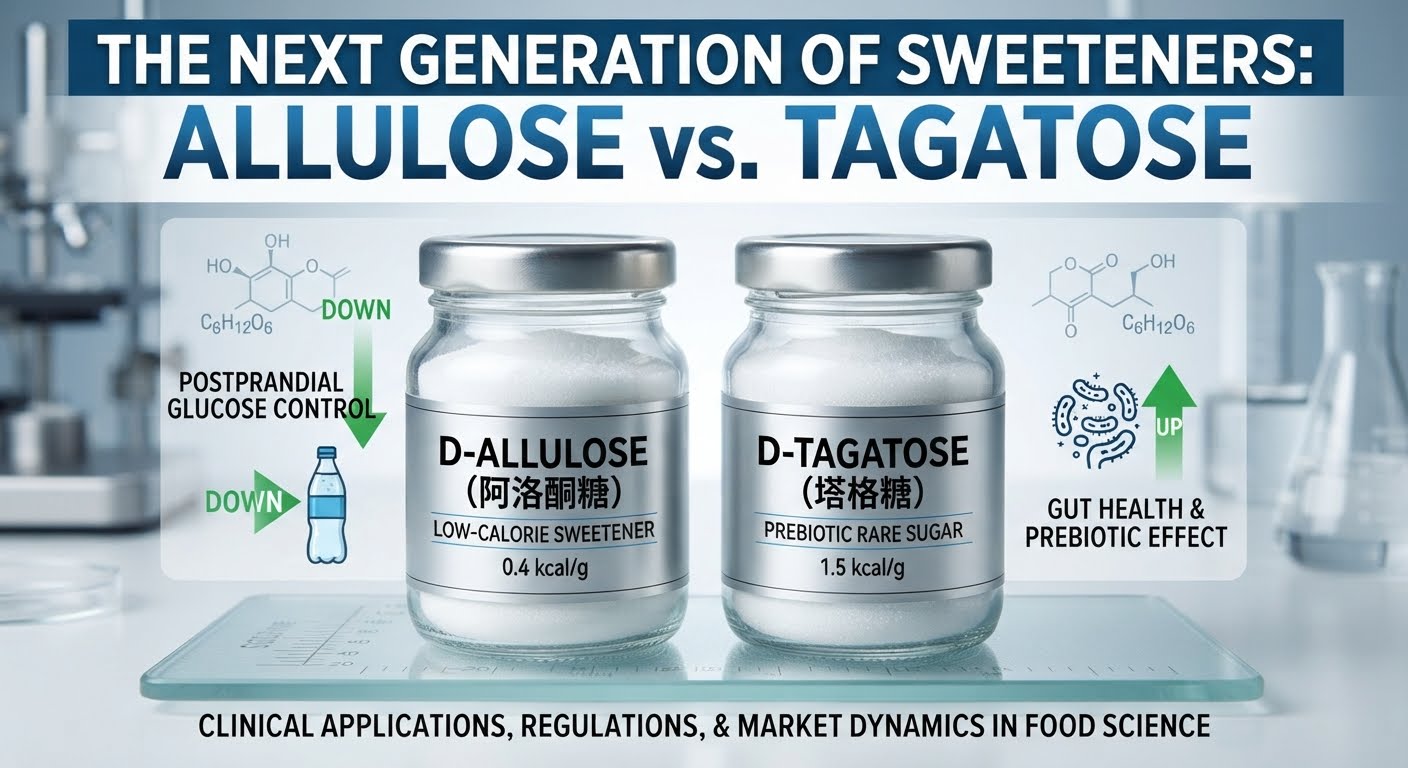
The global health and wellness sector is shifting as traditional zero-calorie sweeteners face scrutiny and consumers demand modern sugar substitutes. According to clinical insights from the Mayo Clini
In today’s increasingly segmented market for functional ingredients, the value of an ingredient no longer depends solely on its “origin story,” but rather on whether its active ingredients are control
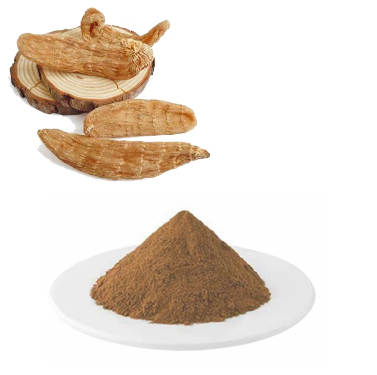
Gastrodia has been used as a medicinal herb in China for over 2,000 years. Ancient practitioners used it to treat headaches, dizziness, and epilepsy, though they could not pinpoint exactly which molec
γ-AminobutyricAcid (GABA) is a naturally occurring non-protein functional amino acid, which is an important inhibitory neurotransmitter in the mammalian central nervous system, and has a regulatory ef
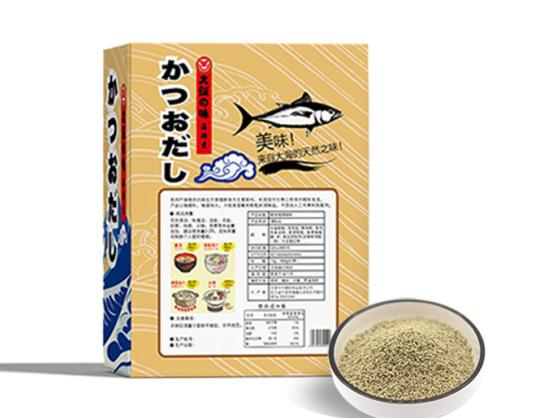
Bulk dashi powder costs between $1.18 and $4.50 per kilogram from Chinese manufacturers, while Japanese spray-dried powder runs 25–80 per kilogram — a gap of up to 10x, driven by drying method, fish-s