Tea contains a large number of free amino acids, most of which have an asymmetric carbon atom and can form two chiral isomers with mirror image symmetry of each other, called L-type and D-type amino a
In the competitive landscape of nutritional fortification, efficacy is paramount. For decades, mineral supplementation has been hindered by a fundamental challenge: poor absorption and bioavailability
As the most widely used organic acidulant globally, citric acid holds a pivotal position in China's food industry. This report analyzes its production technology and application scenarios. I. Manufact
Citric acid (Citric Acid), as the world's largest-produced organic acid, is widely used in food, pharmaceuticals, and chemical industries. Its industrial production is dominated by bio fermentation (a
I. Preservation & Safety Enhancement 1. Extends shelf life by inhibiting pathogens (e.g., E. coli , Salmonella ) through pH regulation (optimal range: 4.5–8.0). Widely used in meat, canned goods, pick
I. What Is Nervonic Acid Nervonic acid is a very-long-chain monounsaturated fatty acid (C24:1), first identified in the white matter of human and mammalian brains. It is a core structural component of
Hersoncare Completes 1,3,6,8-Pyrenetetrasulfonic Acid Tetrasodium Salt Shipment to Australia Hersoncare Bio-Tech is pleased to announce that we have successfully shipped 1,3,6,8-Pyrenetetrasulfonic ac
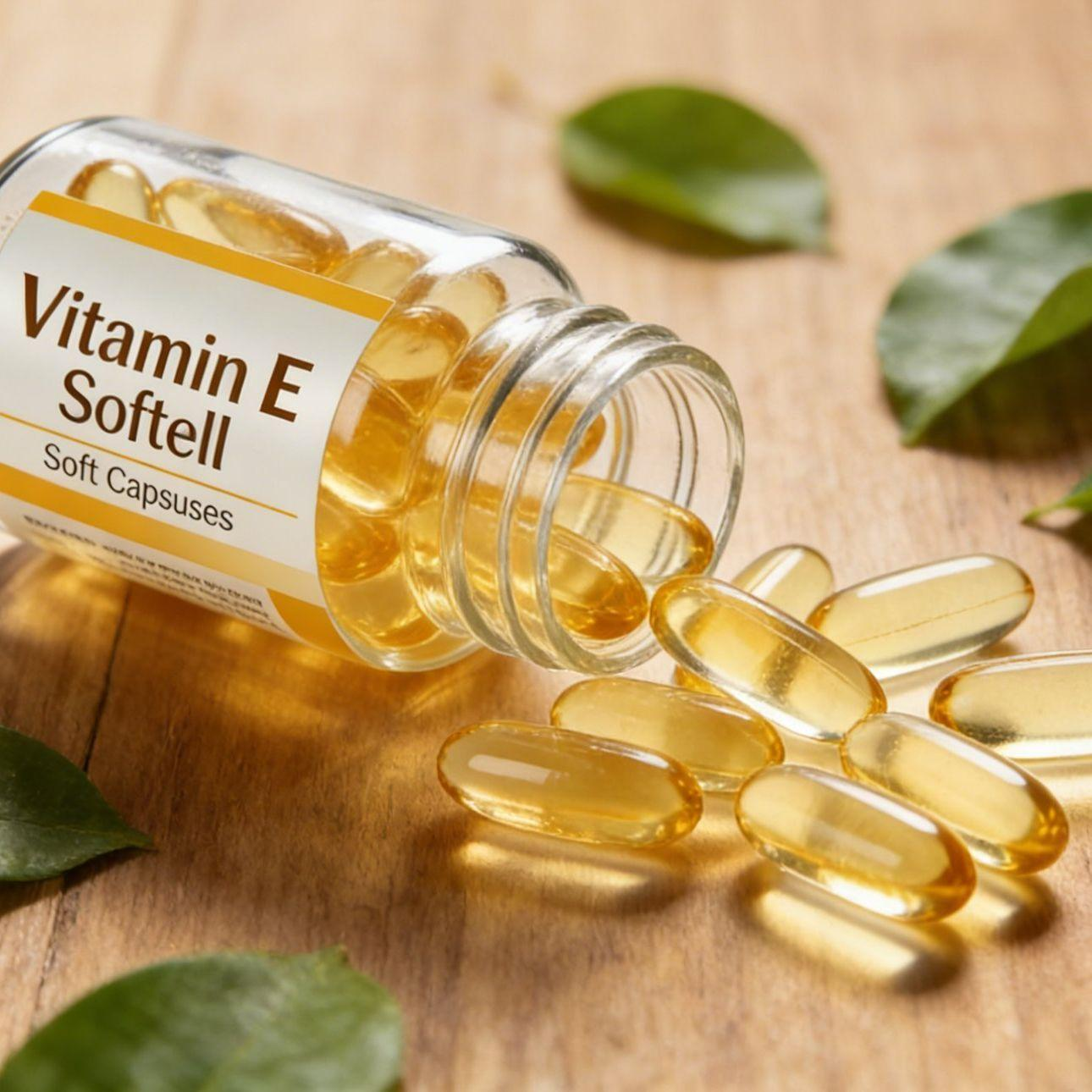
Introduction: Why Vitamin E Remains an Important Nutritional Ingredient Vitamin E continues to play an important role in the global nutraceutical, food, and personal care industries. Recognized for it
1. Core Functions: The Indispensable Taste Engine Customized Sourness Expertise With its "mild yet refreshing acidity", citric acid is the preferred acidulant in carbonated drinks, juices, and dairy p
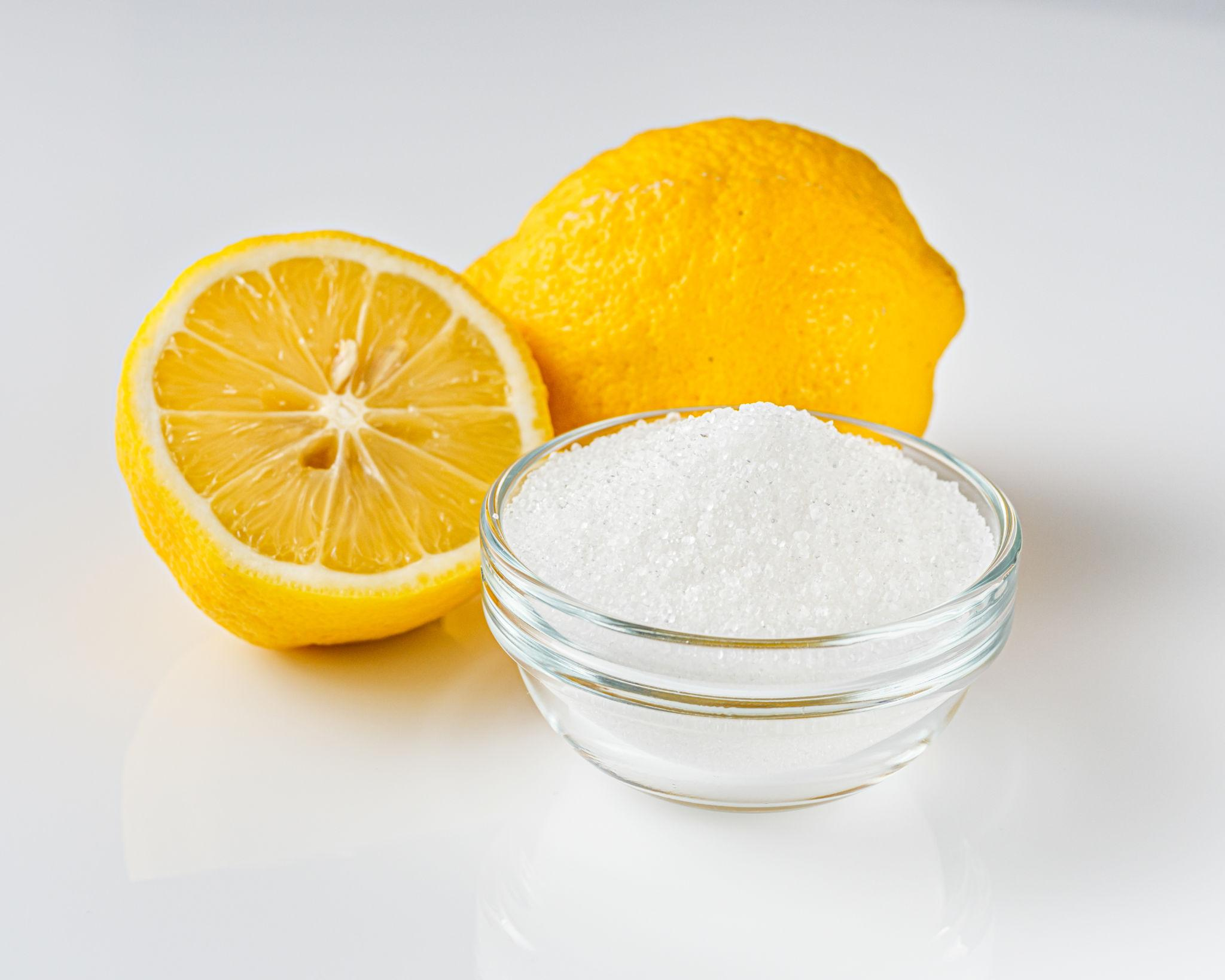
Citric acid is one of the most widely used organic acids in the global food, beverage, pharmaceutical, and nutraceutical industries. Known for its natural presence in citrus fruits and its excellent a