Chengzhi 2025 Development Direction
In the field of synthetic biology, the company will continue to explore the D-ribose market and expand its market share. The company will strive to increase the market share of D-ribose terminal produ

In the field of synthetic biology, the company will continue to explore the D-ribose market and expand its market share. The company will strive to increase the market share of D-ribose terminal produ
In the field of life medicine, Chengzhi Group closely follows the forefront of synthetic biology research and focuses on the human health industry. In the field of D-ribose subdivision, Chengzhi has c
Chengzhi Bioengineering Co., Ltd., as China's specialized D-mannose manufacturer, exclusively operates the world's only patented “novel immobilized enzyme” process. This proprietary technology, protec
One of the synthesis methods of D-mannose in the field of biotechnology is to use mannitol as raw material and synthesize D-mannose through enzymatic catalysis. Specifically, it includes: using mannit
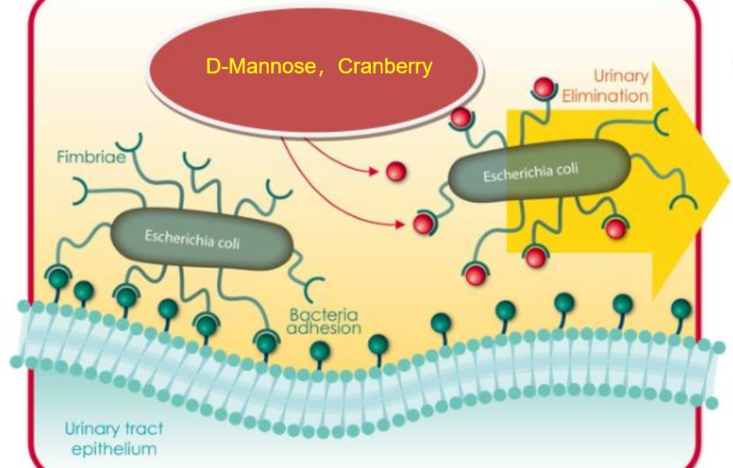
D-Mannose is a monosaccharide with a structure similar to glucose, involved in numerous metabolic processes, and is the only glyconutrient used clinically. It is widely distributed in body fluids and
As the food and beverage industry continues to respond to growing demand for lower-calorie and healthier sugar alternatives, D-allulose is attracting increasing attention as a next-generation function
The global health and wellness sector is shifting as traditional zero-calorie sweeteners face scrutiny and consumers demand modern sugar substitutes. According to clinical insights from the Mayo Clini
Tea contains a large number of free amino acids, most of which have an asymmetric carbon atom and can form two chiral isomers with mirror image symmetry of each other, called L-type and D-type amino a
Urinary tract infections have a recurrence rate of up to 35% within six months, and the majority of them are caused by the main pathogenic bacteria. Escherichia coli is a bacterium in the human gut th
Dr. Adriana de Cássia Ortiz and her research team—comprising members from the Department of Biological Sciences at the Bauru School of Dentistry, University of São Paulo (USP), and several other resea
Scroll down to load more.
Load moreProduct Inquiry