A halal certificate covers a named product, made on a named line, for a named period — and the most common sourcing failure is not a forged certificate but a genuine one that does not cover what you a
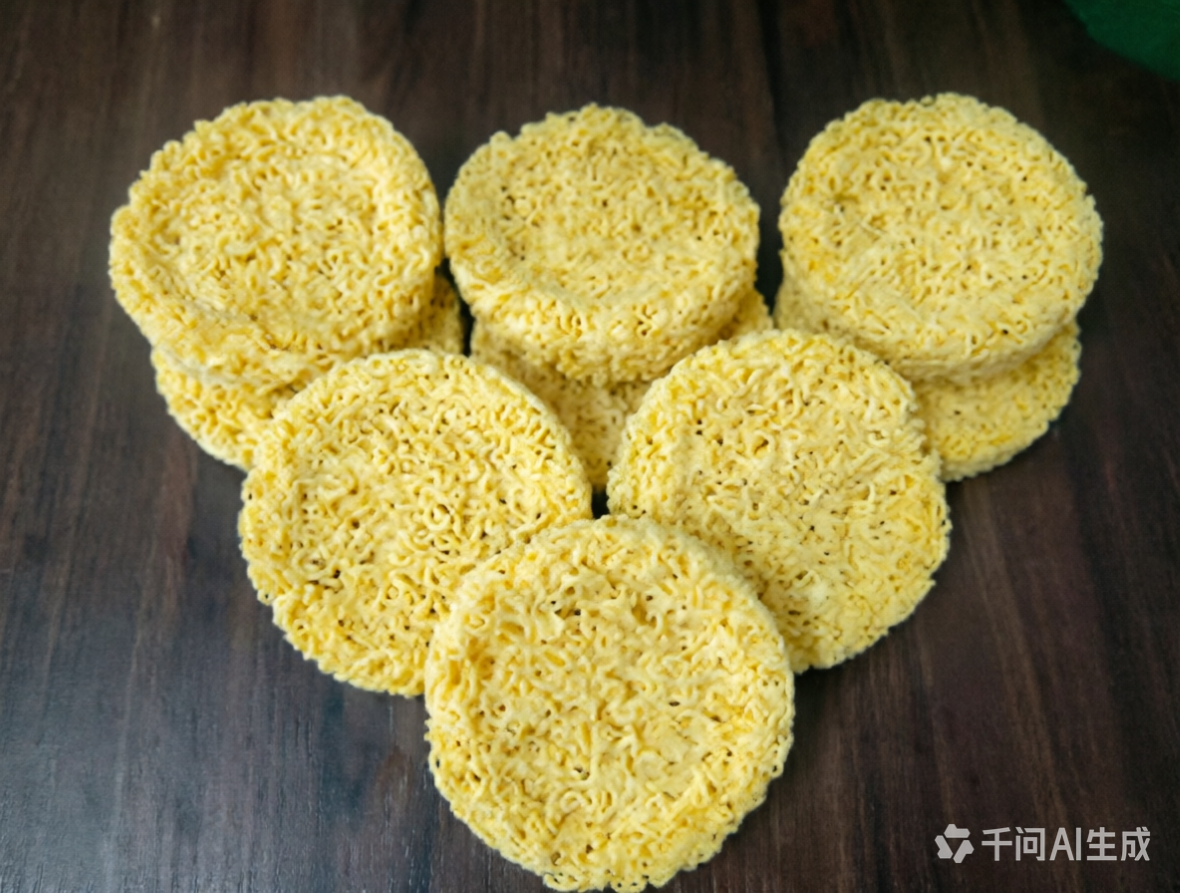
Round wins for hot pot service in almost every case — not because it looks nicer, but because a round cake has no corners, and corners are the first thing to soften, crack and cloud your broth. If you
Buying unseasoned noodle cakes saves 30-50% on the product line and gives you control of the bowl; buying finished cup noodles saves the labour and the equipment, and you pay for both. There is no uni
The working target is 8-10% moisture, not "as low as possible" — below about 8% the cake turns brittle and arrives cracked, above about 10% it becomes a mould risk in a humid container. Moisture is th
Mould diameter is the specification most buyers never ask for, and it quietly decides three things: whether the cake fits your bowl, how fast it rehydrates, and how many cartons fit a container. The c
Cake, block and brick describe the same physical object to most people in the trade, but the word a buyer uses reliably signals what they expect to receive: "block" usually means an unseasoned bulk in
The noodle itself is usually only a quarter to a third of what a hot pot noodle portion costs you — around USD 0.18 for a 100g cake against a true plate cost closer to USD 0.70 once broth, seasoning,
Specify 8 minutes for cooked-to-order service, 15 minutes for a shared pot, and 25 minutes or more for buffet hot holding — and never confuse that number with cook time, because they are different mea
Flour and palm oil together account for roughly 40% of a fried noodle cake's ex-works cost — but a 20% rise in flour moves the factory price by only about 5%. That gap is the single most useful thing
"Firm bite" is not a specification — it is two separate measurements that buyers routinely collapse into one: how much broth the cake absorbs, and how long it keeps its structure while absorbing it. A