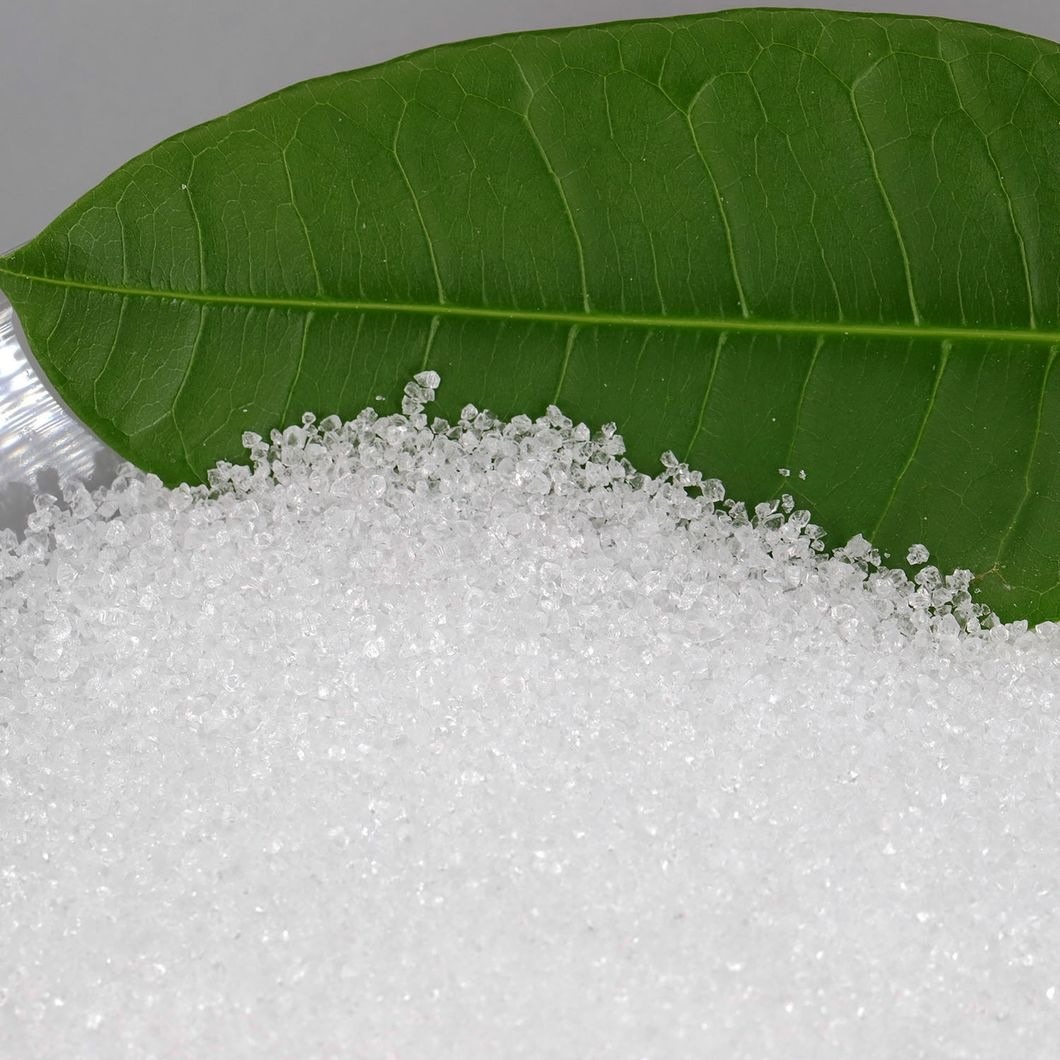
What are the uses of anhydrous citric acid?
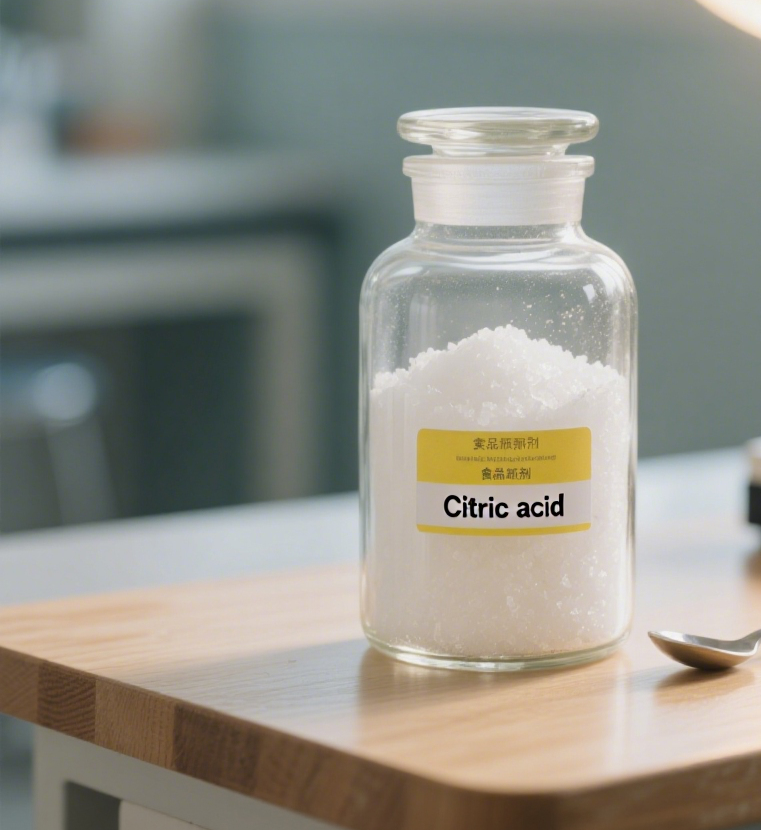
Food Industry: Anhydrous citric acid is primarily used in the food and beverage industry as an acidulant, acidity regulator, flavoring agent, preservative, and freshness enhancer. It improves the sens

Food Industry: Anhydrous citric acid is primarily used in the food and beverage industry as an acidulant, acidity regulator, flavoring agent, preservative, and freshness enhancer. It improves the sens
As the most widely used organic acidulant globally, citric acid holds a pivotal position in China's food industry. This report analyzes its production technology and application scenarios. I. Manufact
Our premium dried scallop seasoning is a carefully crafted umami-rich blend designed to elevate every seafood dish with the authentic, deep flavor of sun-dried scallops. Sourced from premium dried sca
Citric acid (2-hydroxy-1,2,3-propanetricarboxylic acid), the most widely utilized organic acidulant, constitutes over two-thirds of global acidulant consumption. Existing primarily as citric acid mono
Premium, additive-free blend brings restaurant-quality depth to kitchens worldwide—from galley to stovetop [CITY, April 11, 2026] – In an era where discerning home cooks demand both culinary excellenc
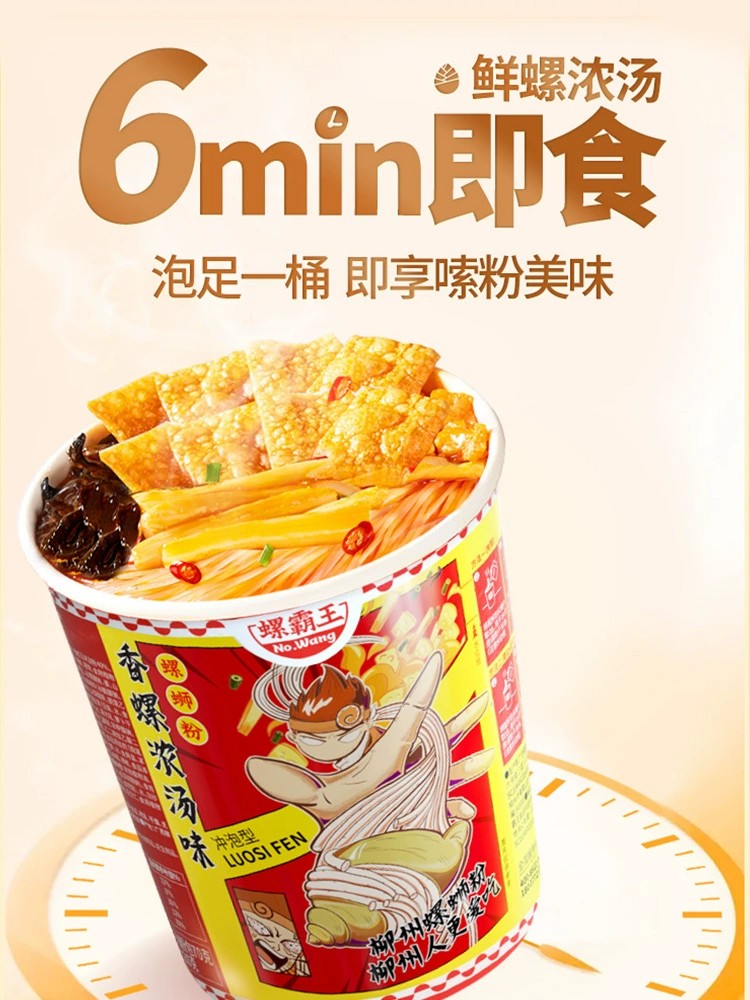
As fast-paced lifestyles become mainstream, consumers' demand for convenient and delicious food continues to rise, propelling the instant food industry into a new phase of growth. Among the key player
1. What are pigments: The substances that make various substances produce various colors are pigments. We see various colorful foods every day because they contain various pigments, so we see foods wi
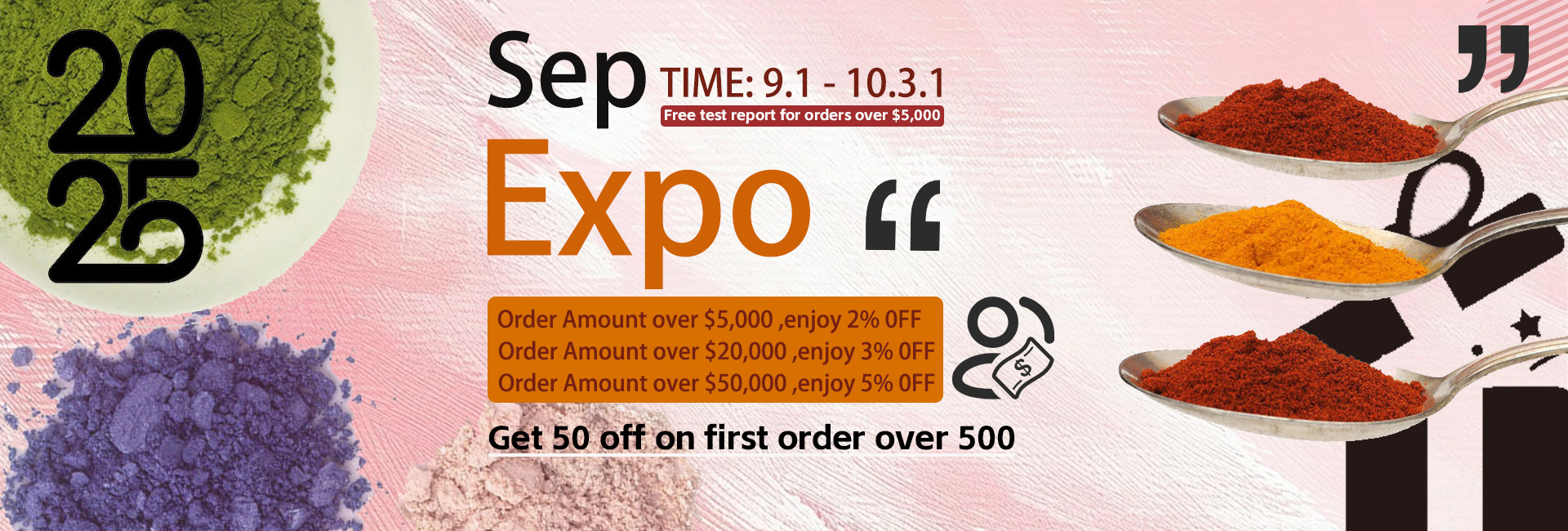
As the 2025 September Sourcing Festival kicks into high gear, Sentian Biotech is proud to launch an unprecedented promotional event. This initiative is designed to reward our valued new and returning
Xanthan gum is a light yellow to white flowable powder with a slight odor. Easily soluble in cold and hot water, neutral in solution, resistant to freezing and thawing, insoluble in ethanol. It is dis
A commercial hot pot soup base typically costs a chain RMB 1.8–3.2 (about USD 0.25–0.45) per pot at the factory gate — but the number that decides your margin is cost per portion served, not price per
Scroll down to load more.
Load moreProduct Inquiry