There are two document sets, not one — the commercial set that moves the goods and the regulatory set that lets them clear — and the regulatory set is the one that gets discovered late. A container wi
A non-fried cake holds its structure roughly twice as long as a fried one — about 15-20 minutes against 8-12 minutes in a rolling 95-100°C broth — but it takes two to three times longer to cook. That
Cake, block and brick describe the same physical object to most people in the trade, but the word a buyer uses reliably signals what they expect to receive: "block" usually means an unseasoned bulk in
Stock both, but lead with the one your broth dictates: wheat noodle cakes for clear broths and fast turns, starch vermicelli for red oil bases and anything that simmers past 15 minutes. The reason is
Most hot pot operations settle on 60-70g for a noodle side and 100-110g for a noodle-centred bowl — and that split is decided by portion cost and broth survival time, not by taste. Everything below is
The working target is 8-10% moisture, not "as low as possible" — below about 8% the cake turns brittle and arrives cracked, above about 10% it becomes a mould risk in a humid container. Moisture is th
Mould diameter is the specification most buyers never ask for, and it quietly decides three things: whether the cake fits your bowl, how fast it rehydrates, and how many cartons fit a container. The c
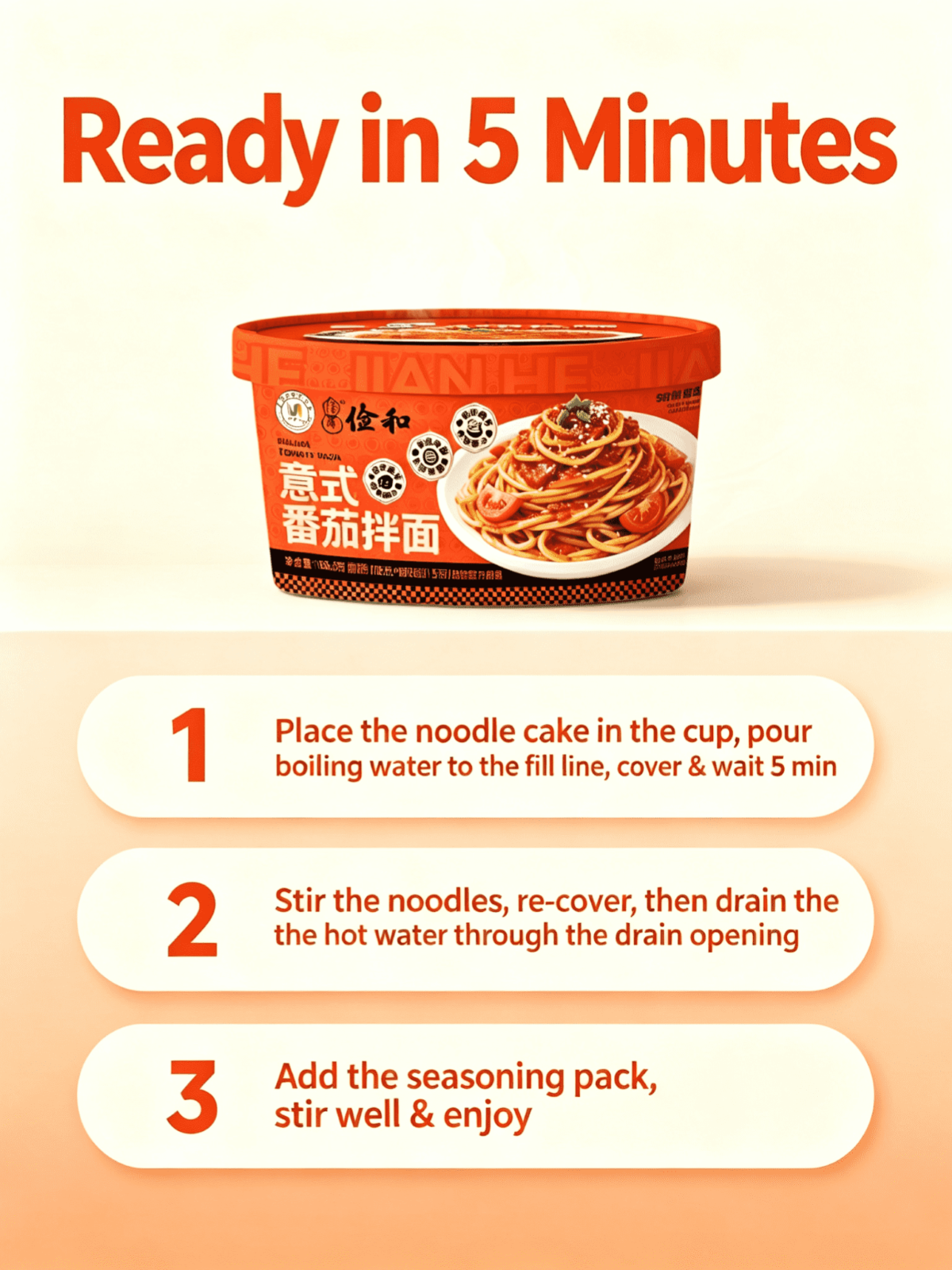
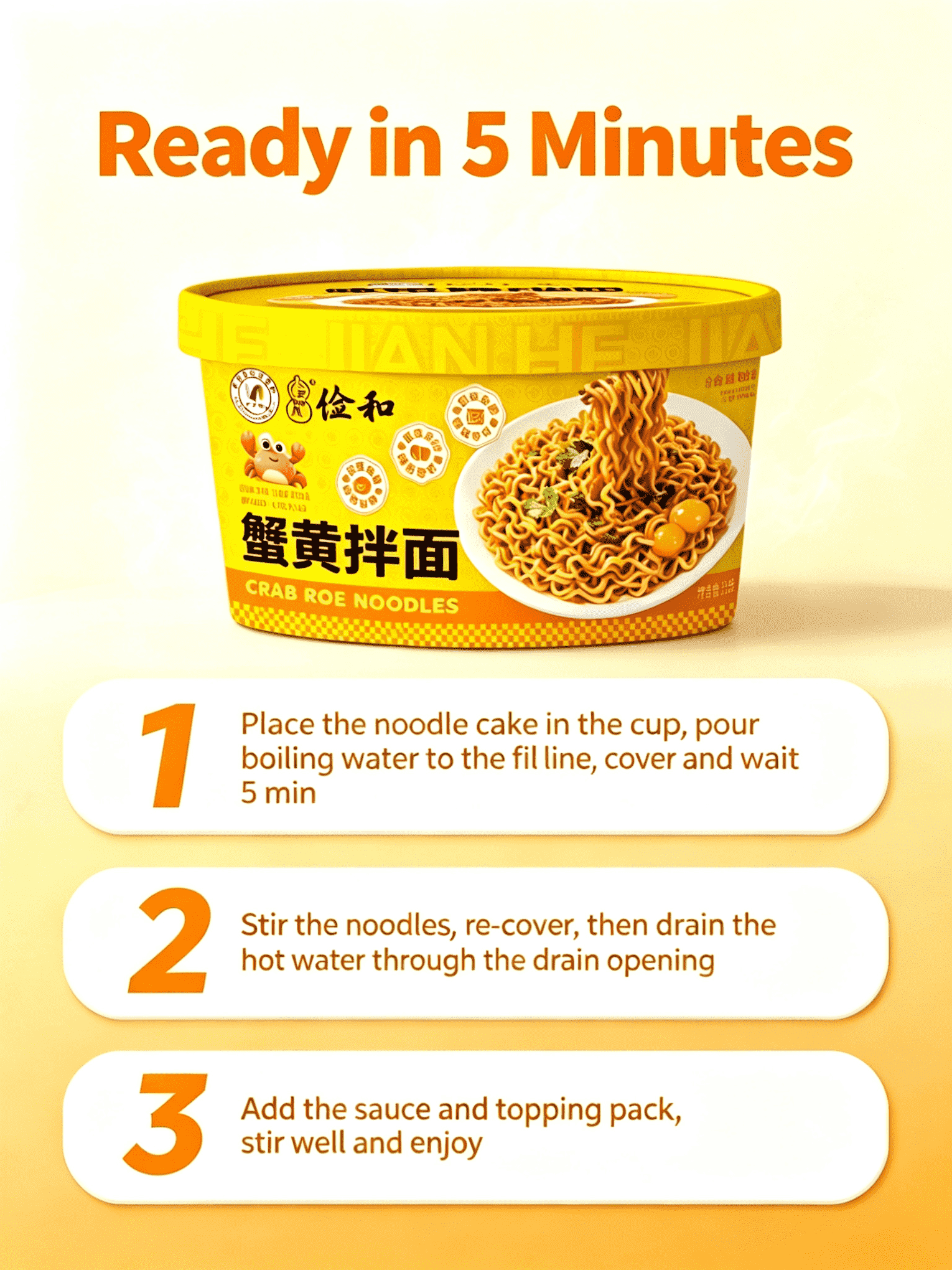
A fried wheat cake is ready in 2-4 minutes, an air-dried cake in 5-7 minutes, and starch vermicelli in 5-8 minutes or 2-3 if pre-soaked — and every one of those figures moves with cake weight, water t
Ask every one of these twelve questions and insist on numbers rather than adjectives — suppliers who answer "good quality" and "stable supply" are telling you they have nothing measured to show you. T
Flour and palm oil together account for roughly 40% of a fried noodle cake's ex-works cost — but a 20% rise in flour moves the factory price by only about 5%. That gap is the single most useful thing