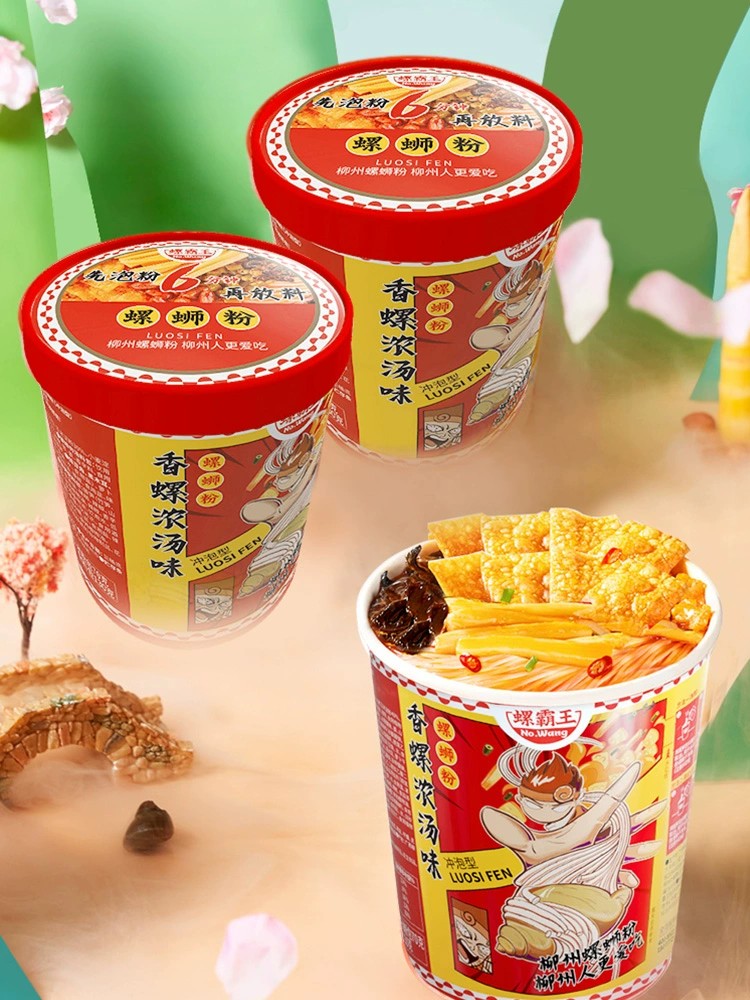
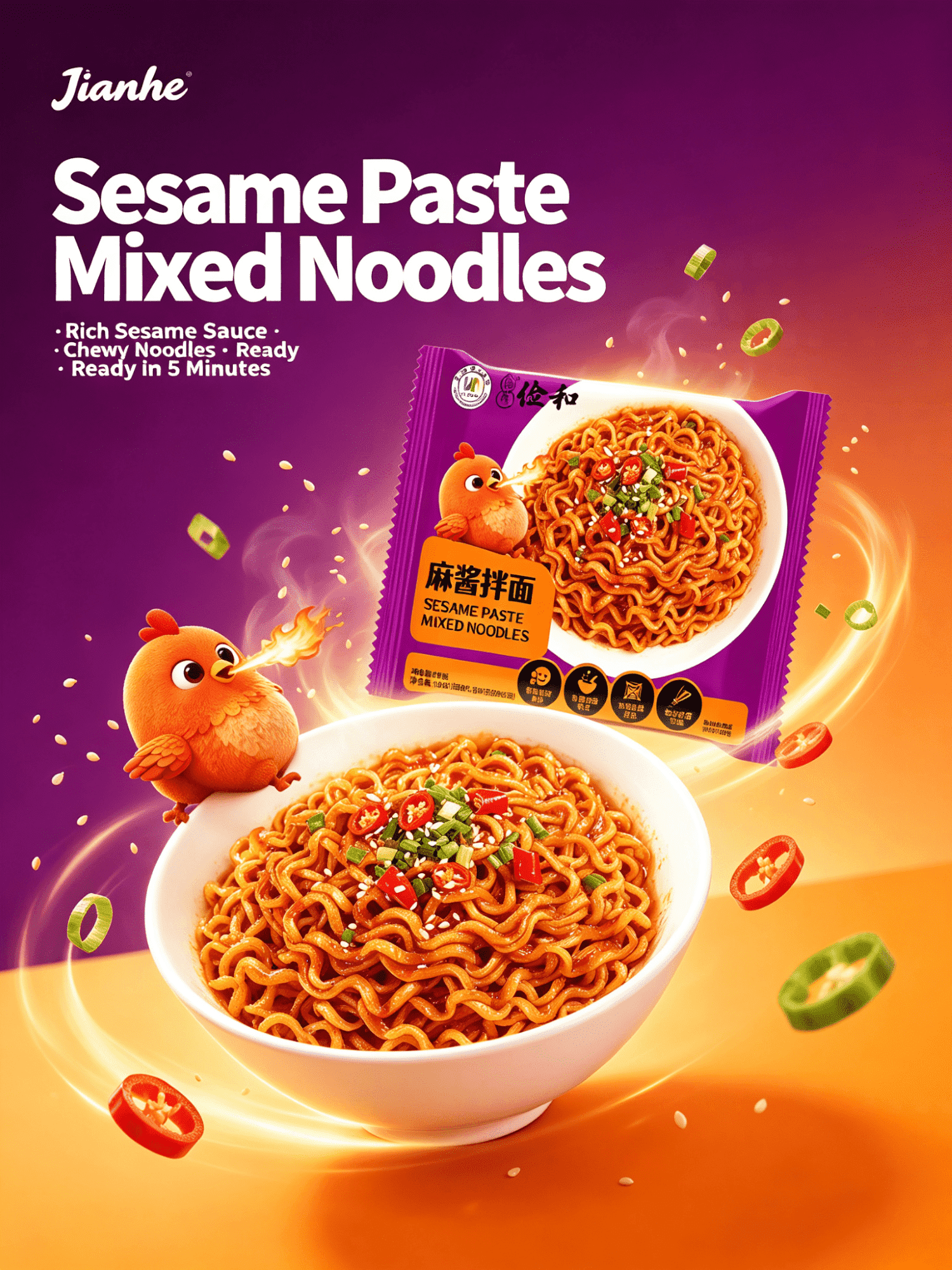
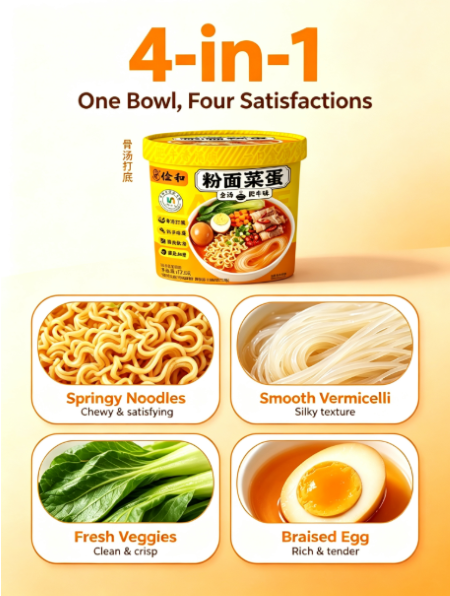
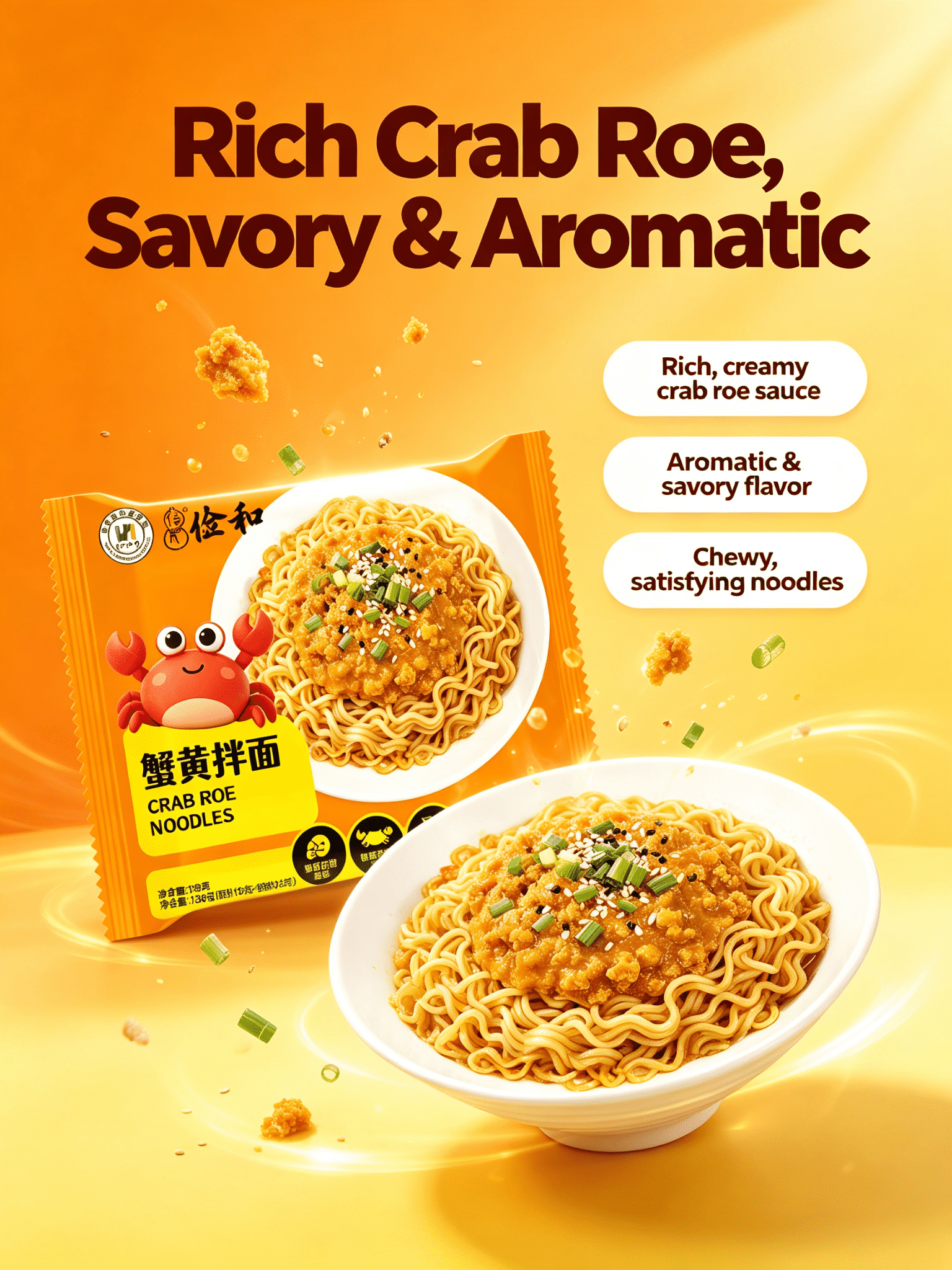
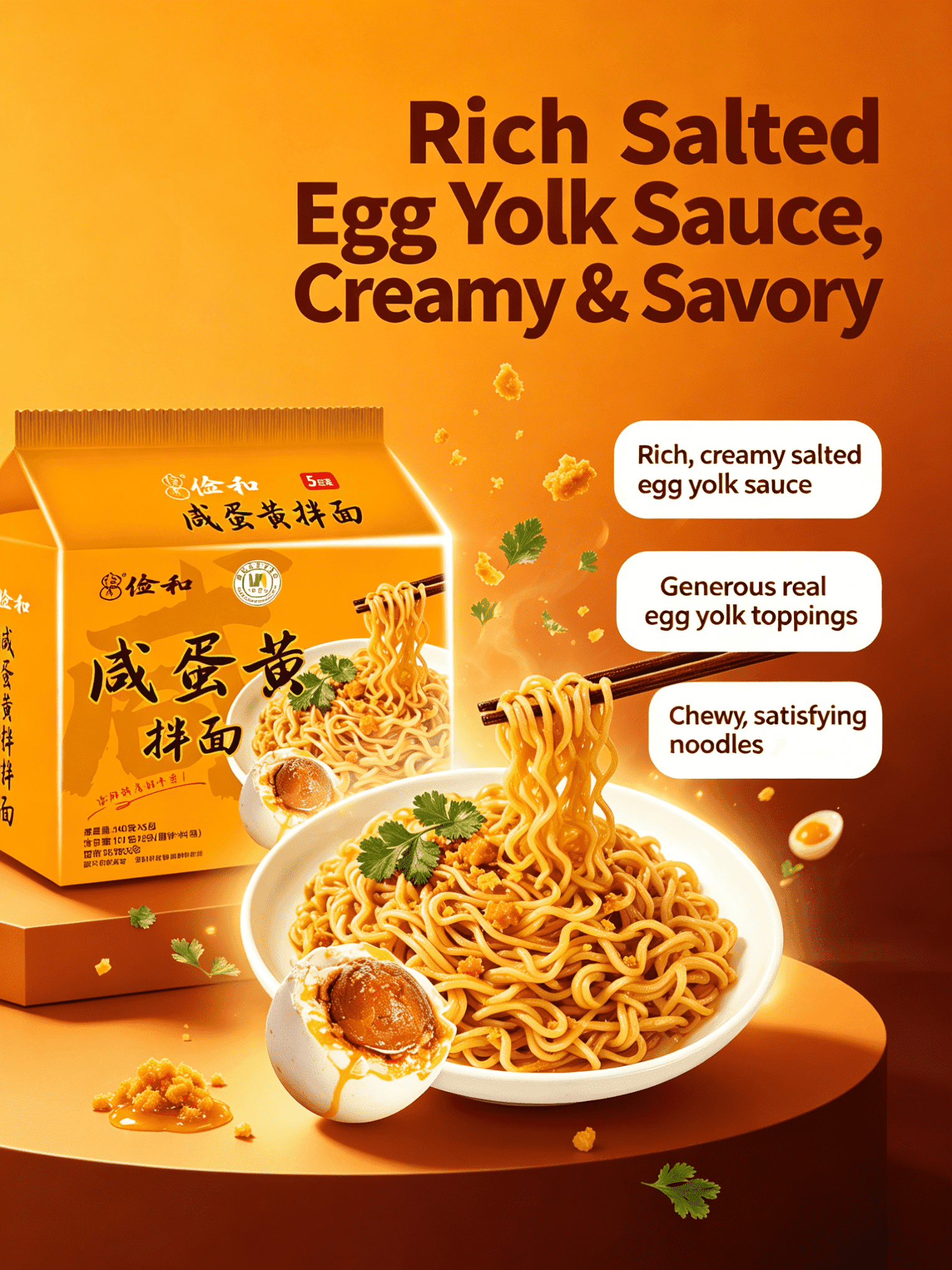
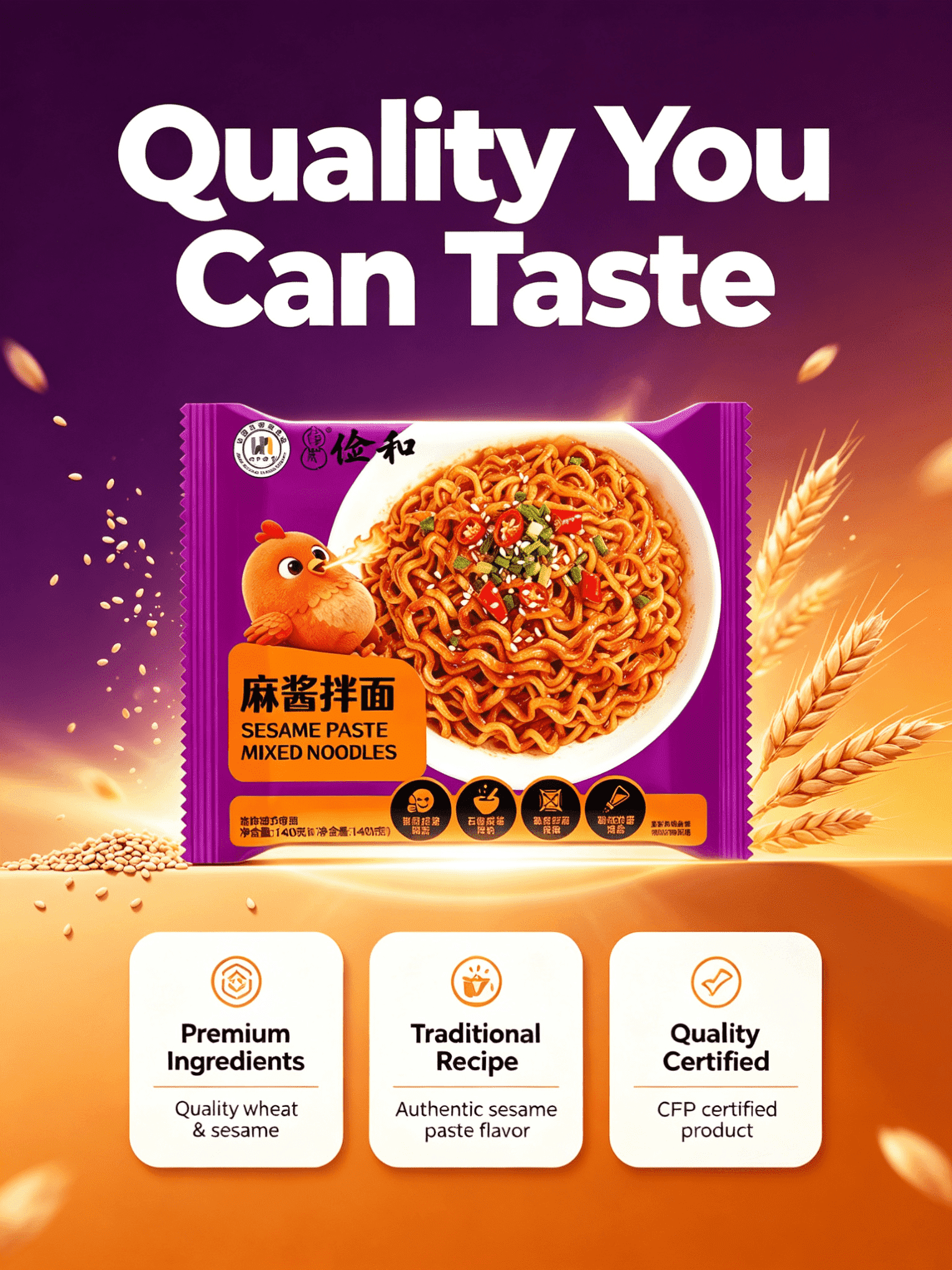
From instant noodles in office drawers to self-heating hot pots in camping backpacks, convenience food is undergoing a profound transformation from a "basic satiety necessity" to a "refined dining exp
There are two document sets, not one — the commercial set that moves the goods and the regulatory set that lets them clear — and the regulatory set is the one that gets discovered late. A container wi
The usable range for instant noodle cakes runs from about 25g to 110g, and almost every commercial format falls into four bands: 25-40g for snacks and small cups, 55-70g for sides, 80-90g for single-s
The working target is 8-10% moisture, not "as low as possible" — below about 8% the cake turns brittle and arrives cracked, above about 10% it becomes a mould risk in a humid container. Moisture is th
Mould diameter is the specification most buyers never ask for, and it quietly decides three things: whether the cake fits your bowl, how fast it rehydrates, and how many cartons fit a container. The c
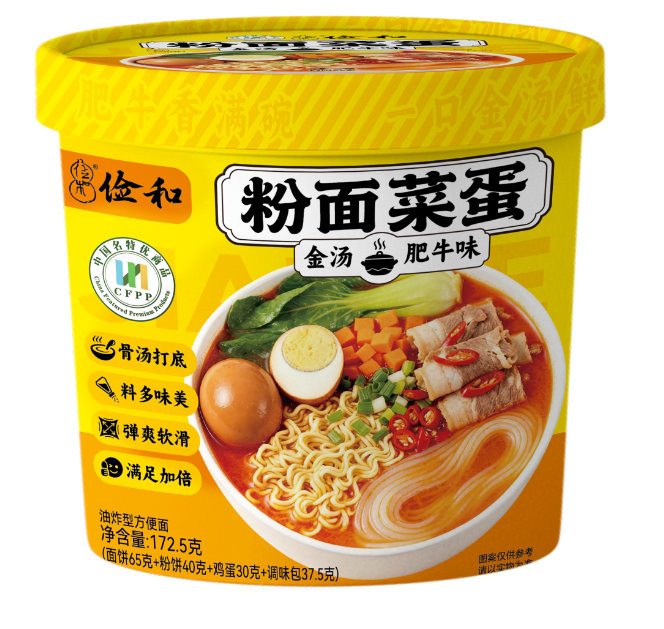
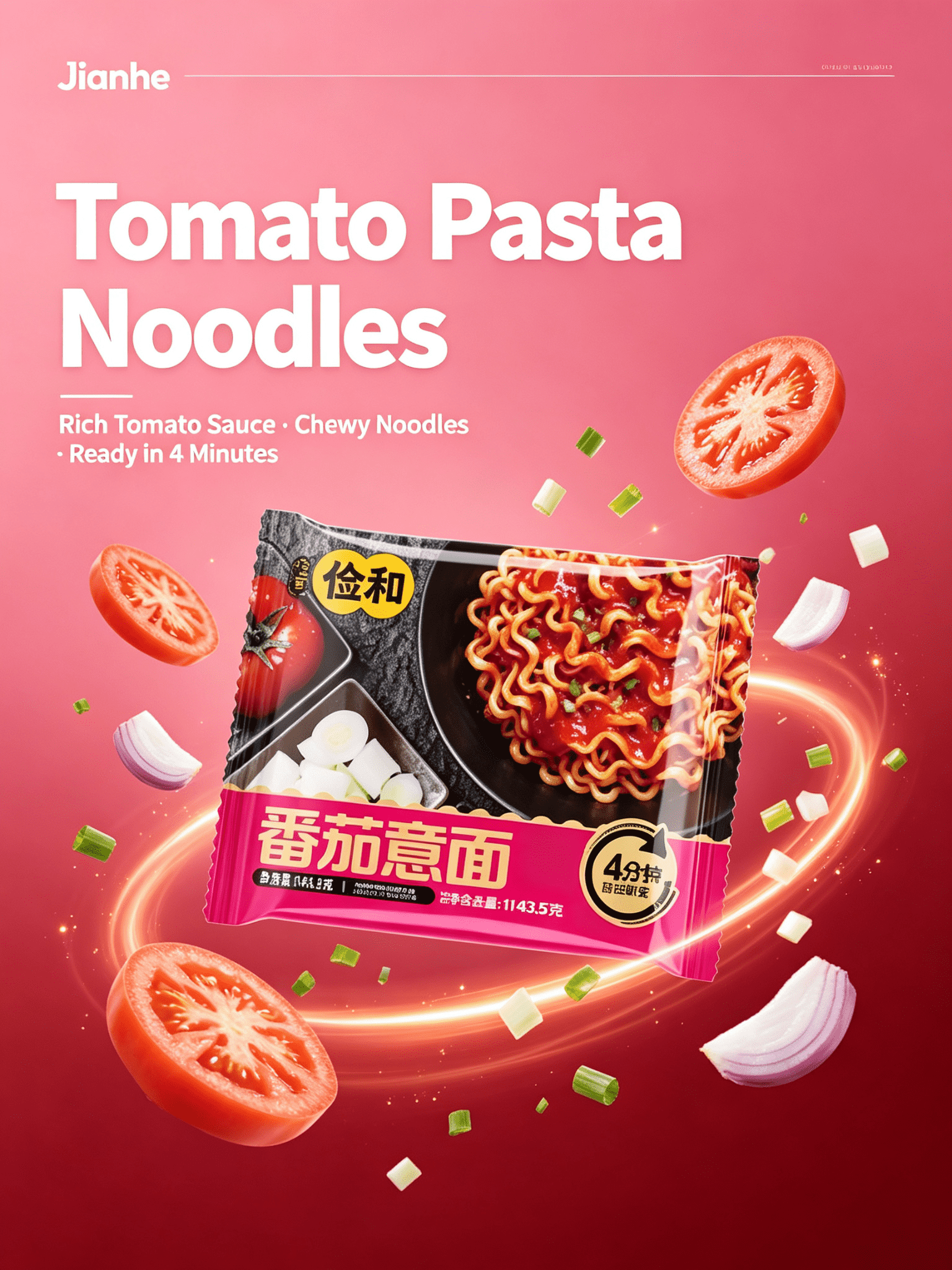
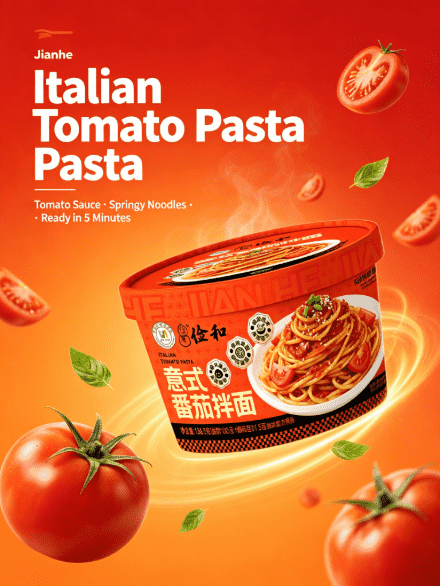
Amid the booming demand for time-saving, convenient and delicious ready-to-eat food across domestic and overseas consumer markets, Guangzhou Kunhao Fang Trading Co., Ltd., a professional food trading
Ask every one of these twelve questions and insist on numbers rather than adjectives — suppliers who answer "good quality" and "stable supply" are telling you they have nothing measured to show you. T
Flour and palm oil together account for roughly 40% of a fried noodle cake's ex-works cost — but a 20% rise in flour moves the factory price by only about 5%. That gap is the single most useful thing
A fried wheat cake is ready in 2-4 minutes, an air-dried cake in 5-7 minutes, and starch vermicelli in 5-8 minutes or 2-3 if pre-soaked — and every one of those figures moves with cake weight, water t
"Firm bite" is not a specification — it is two separate measurements that buyers routinely collapse into one: how much broth the cake absorbs, and how long it keeps its structure while absorbing it. A