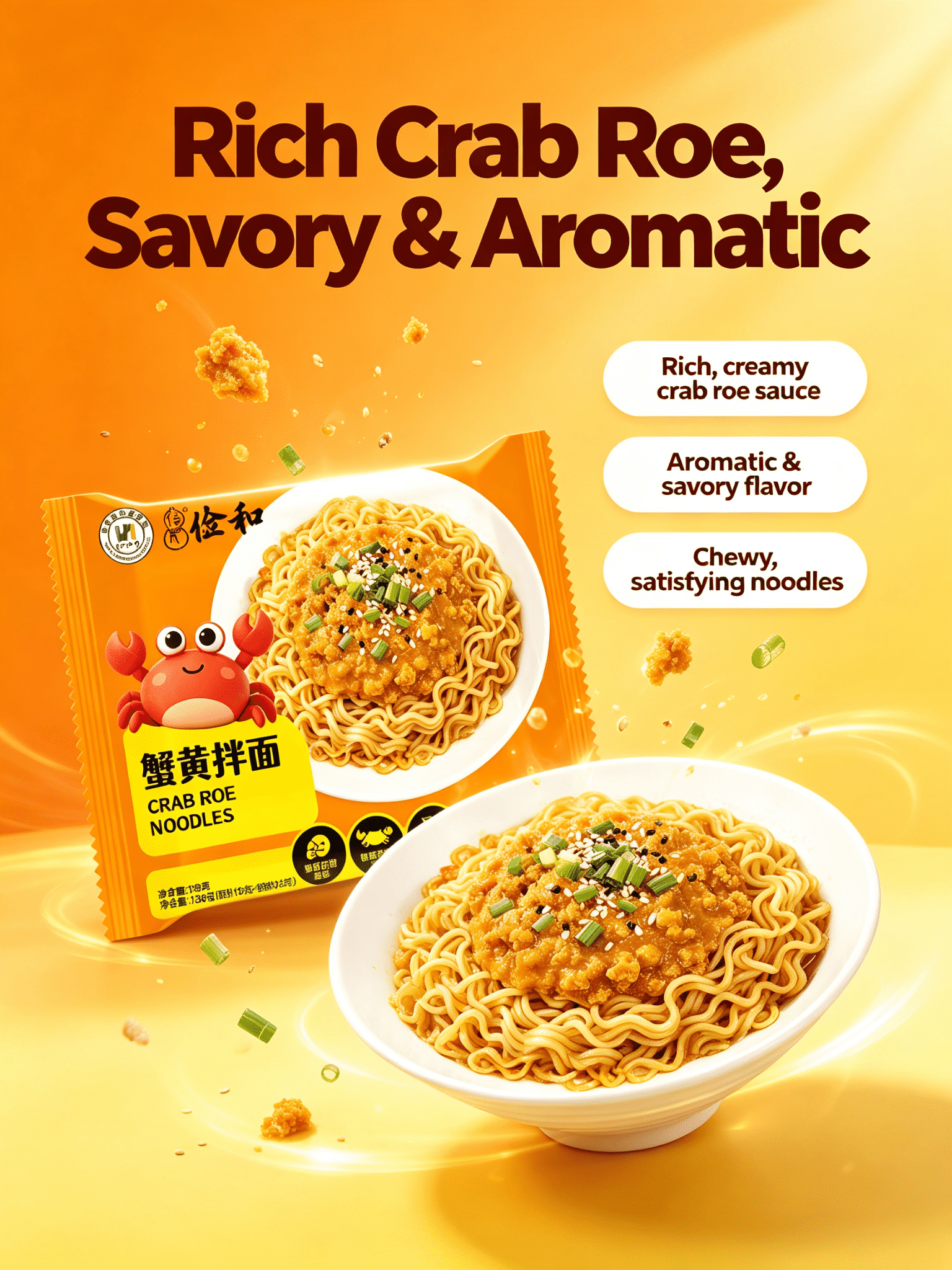
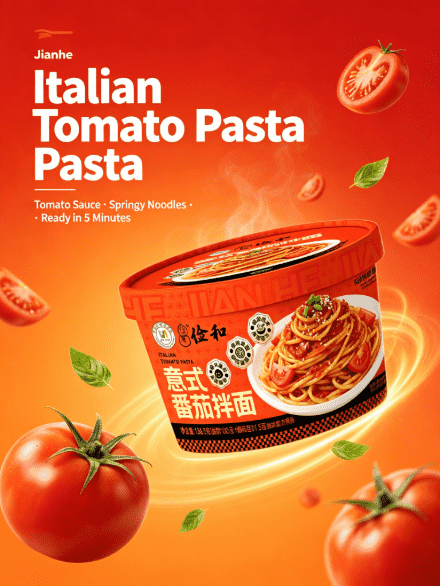
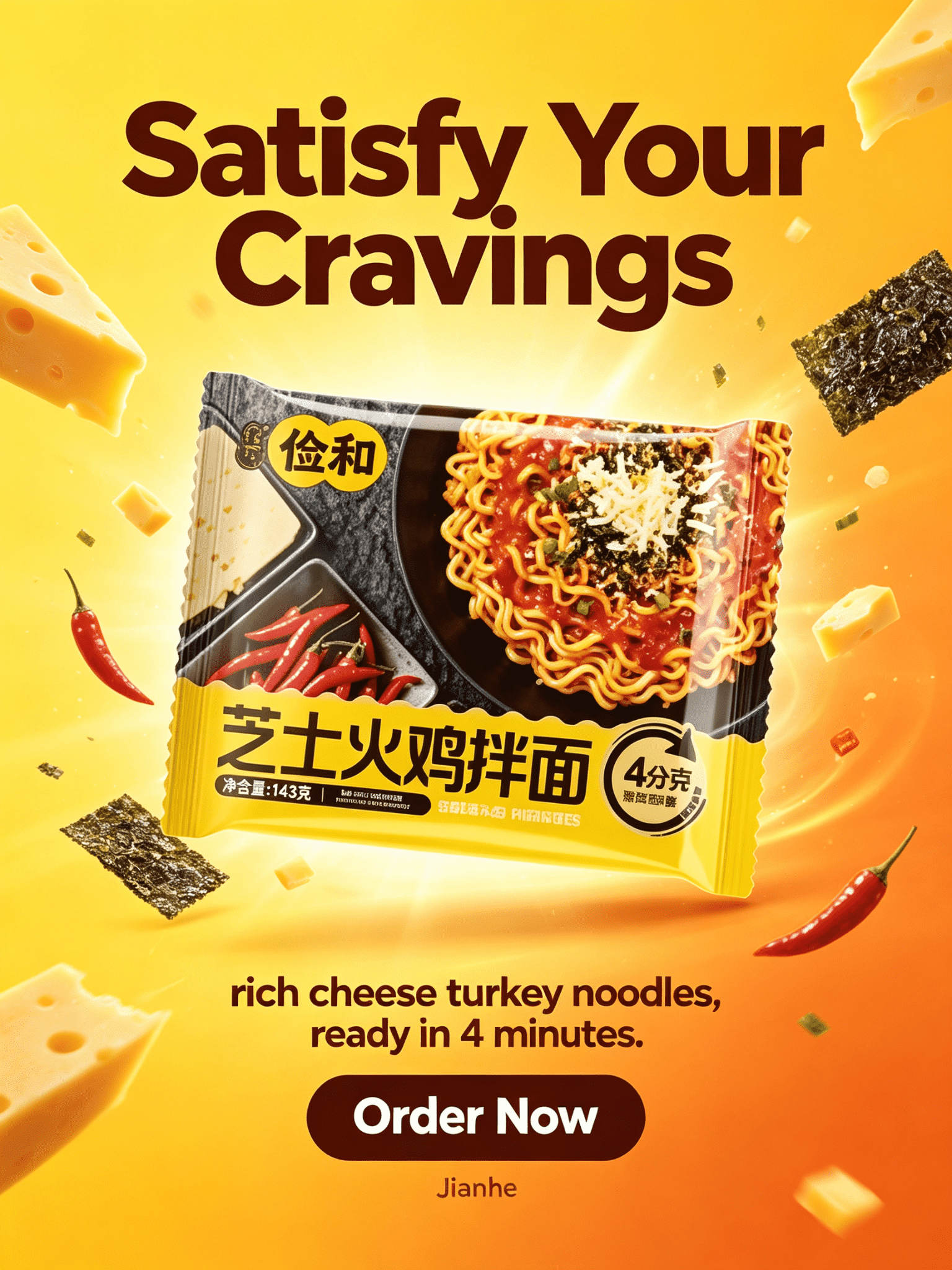
Yes — but only if you understand what you are trading away. A 500-carton minimum exists because a factory shares tooling, runs a generic carton and consolidates your order with others; a 1×40HQ minimu
A non-fried cake holds its structure roughly twice as long as a fried one — about 15-20 minutes against 8-12 minutes in a rolling 95-100°C broth — but it takes two to three times longer to cook. That
Only if your realistic offtake clears about 10,000 units a month — below that, 500 cartons is not a trial, it is a year of inventory. At 100 sachets per carton, 500 cartons is 50,000 noodle cakes, whi
Buying unseasoned noodle cakes saves 30-50% on the product line and gives you control of the bowl; buying finished cup noodles saves the labour and the equipment, and you pay for both. There is no uni
There are two document sets, not one — the commercial set that moves the goods and the regulatory set that lets them clear — and the regulatory set is the one that gets discovered late. A container wi
"Firm bite" is not a specification — it is two separate measurements that buyers routinely collapse into one: how much broth the cake absorbs, and how long it keeps its structure while absorbing it. A
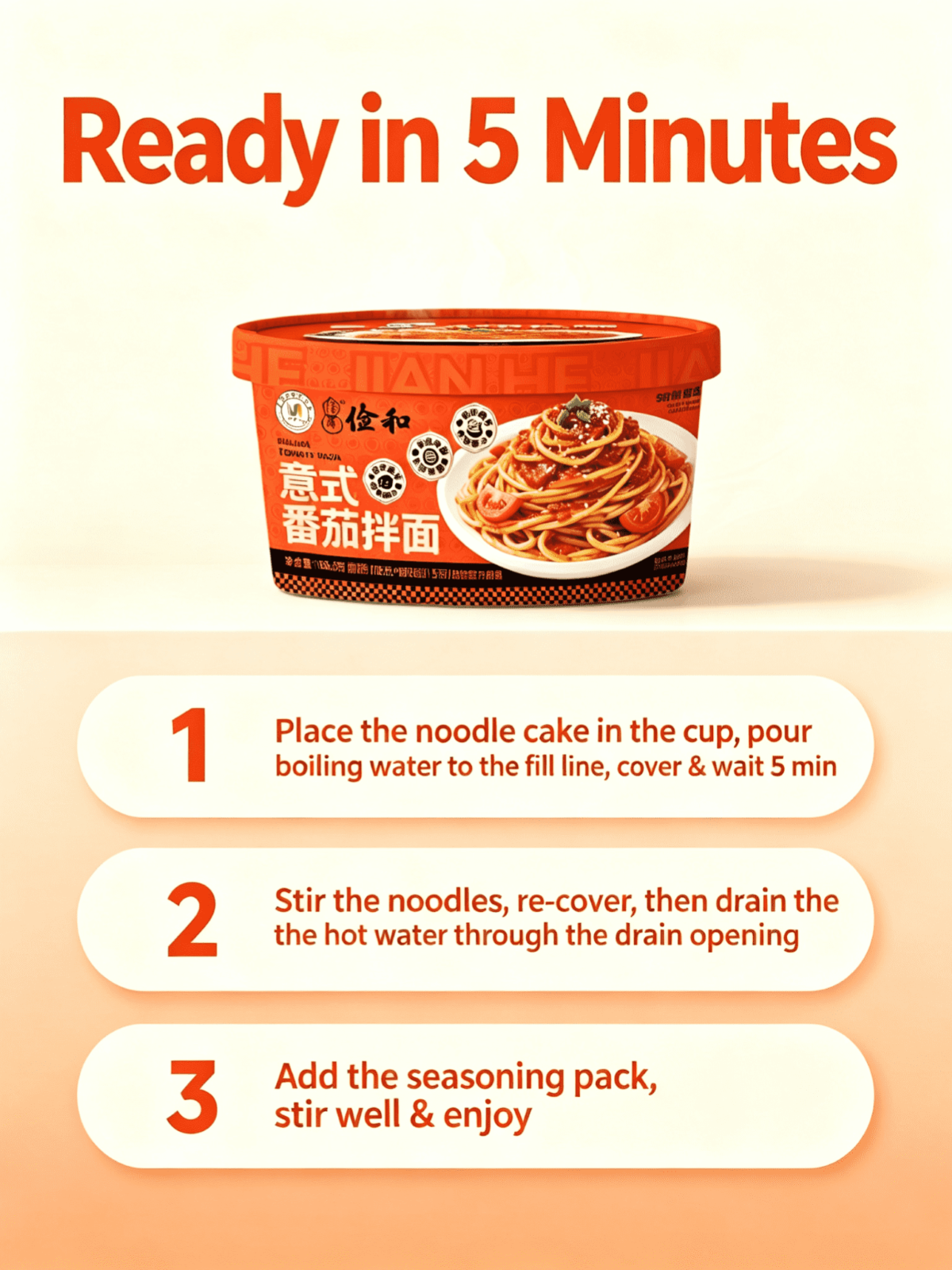
A fried wheat cake is ready in 2-4 minutes, an air-dried cake in 5-7 minutes, and starch vermicelli in 5-8 minutes or 2-3 if pre-soaked — and every one of those figures moves with cake weight, water t
The working target is 8-10% moisture, not "as low as possible" — below about 8% the cake turns brittle and arrives cracked, above about 10% it becomes a mould risk in a humid container. Moisture is th
Loose-pack cartons of 100 sachets suit hand-picked warehouses and mixed-SKU orders; a master carton built from inner multipacks suits shelf-ready retail and forklift handling. The deciding number is c
The Incoterm tells you who pays for what and, more importantly, who carries the risk — and the three terms you will actually be quoted are EXW, FOB and CFR. Everything else on the sheet is a variable