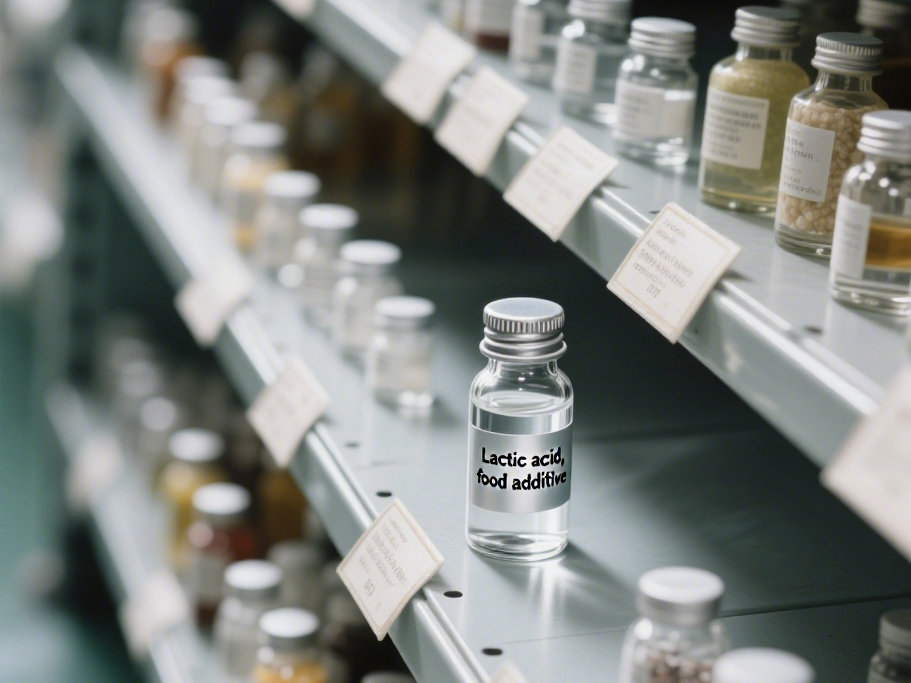
Food-grade lactic acid is an organic acid widely used in food, beverages, pharmaceuticals, and daily chemicals, requiring stringent purity and safety standards (e.g., heavy metals ≤0.001%, arsenic sal
Imagine the sharp, tangy power of distilled white vinegar, perfectly preserved in a convenient, shelf-stable powder. White Vinegar Powder is not just a novelty; it's a revolutionary ingredient poised
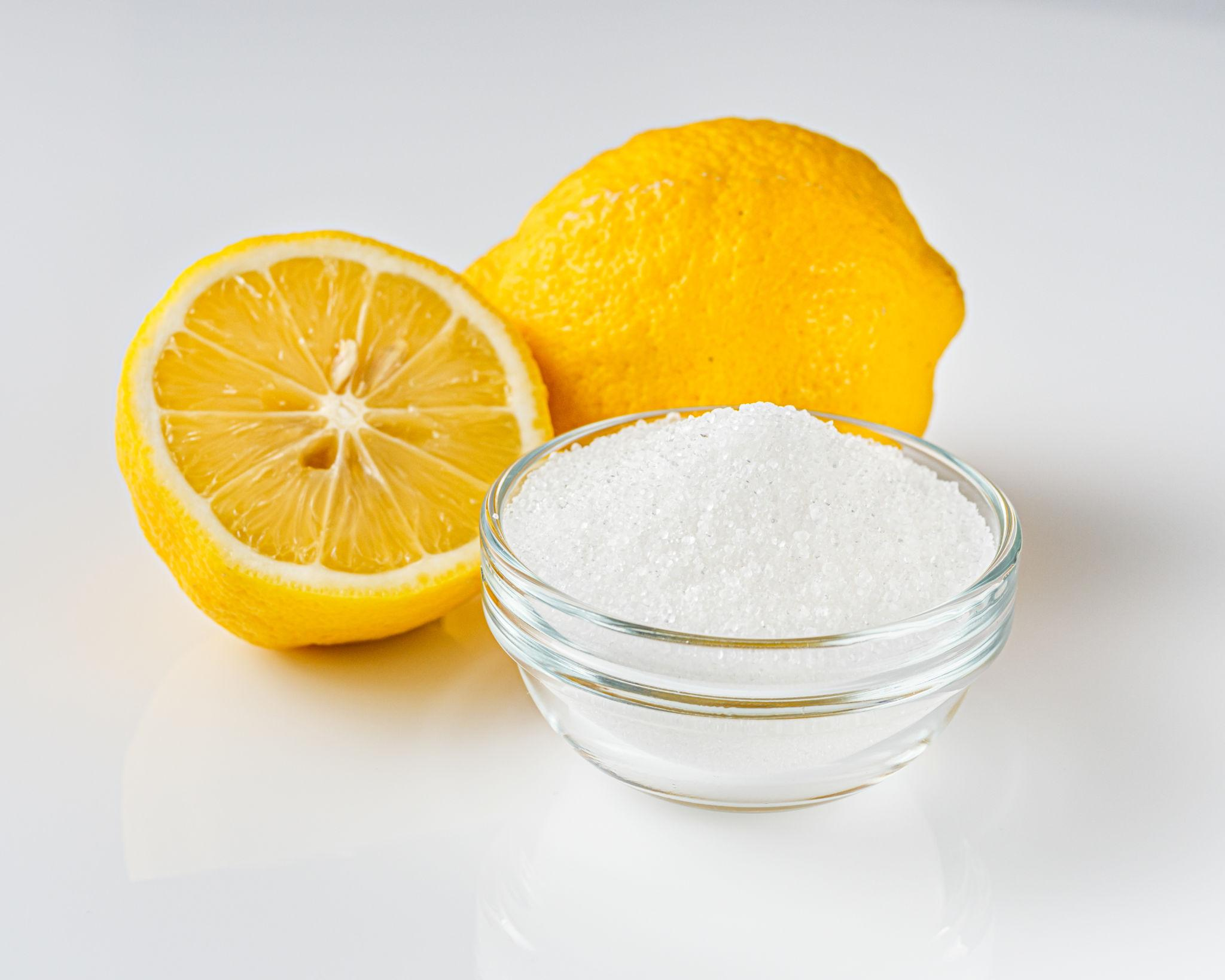
Citric acid is one of the most widely used organic acids in the global food, beverage, pharmaceutical, and nutraceutical industries. Known for its natural presence in citrus fruits and its excellent a
I. Production Raw Materials and Pretreatment Raw Material Selection Corn starch, sucrose, or whey (a byproduct of dairy processing) are primarily used as carbon sources, requiring low cost, easy avail
I. Core Functions in Preservation & Antibacterial 1. Meat & Processed Food Preservation Lactic acid extends shelf life by inhibiting spoilage bacteria (e.g., E. coli, Salmonella) through pH reduction,
I. Core Functions of Lactic Acid in Yogurt Precision Flavor Regulator Lactic acid (C₃H₆O₃) provides a mellow and sustained sourness , with a broad pH adjustment range (2.0-7.0), neutralizing the alkal
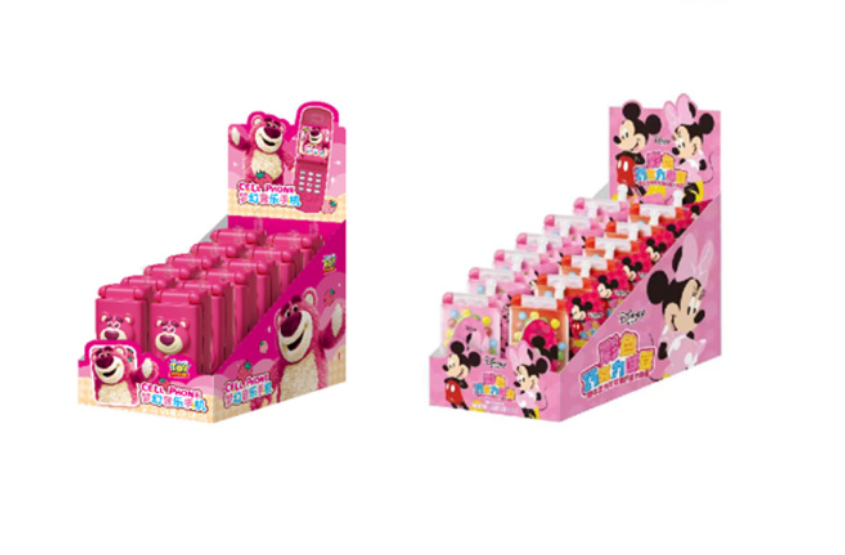
It is regulated as both, because jurisdiction splits by component rather than by product. The edible part answers to FDA food law; the ring, lipstick tube, spinning top or music module attached to it
I. Core Functions and Mechanisms Acidity Regulation a) Lactic acid delivers a mild and lingering acidity , neutralizing sweetness while enhancing flavor complexity in beverages, confectionery, and bak
I. Preservation & Safety Enhancement 1. Extends shelf life by inhibiting pathogens (e.g., E. coli , Salmonella ) through pH regulation (optimal range: 4.5–8.0). Widely used in meat, canned goods, pick