Irreplaceability of Natural Acetic Acid
Natural acetic acid outperforms synthetic counterparts in environmental friendliness (biodegradability, zero heavy metals), bioactivity (synergy with probiotics, immune enhancement), and safety (direc

Natural acetic acid outperforms synthetic counterparts in environmental friendliness (biodegradability, zero heavy metals), bioactivity (synergy with probiotics, immune enhancement), and safety (direc
GABA is an amino acid that the body can synthesise on its own, and it is also contained in some foods such as beans, so under normal circumstances, there is no need for a special intake of GABA. Howev
Acetic acid and vinegar are not exactly the same. While acetic acid is the main component of vinegar, vinegar is a mixture, while acetic acid is a pure organic compound. Specifically, acetic acid (che
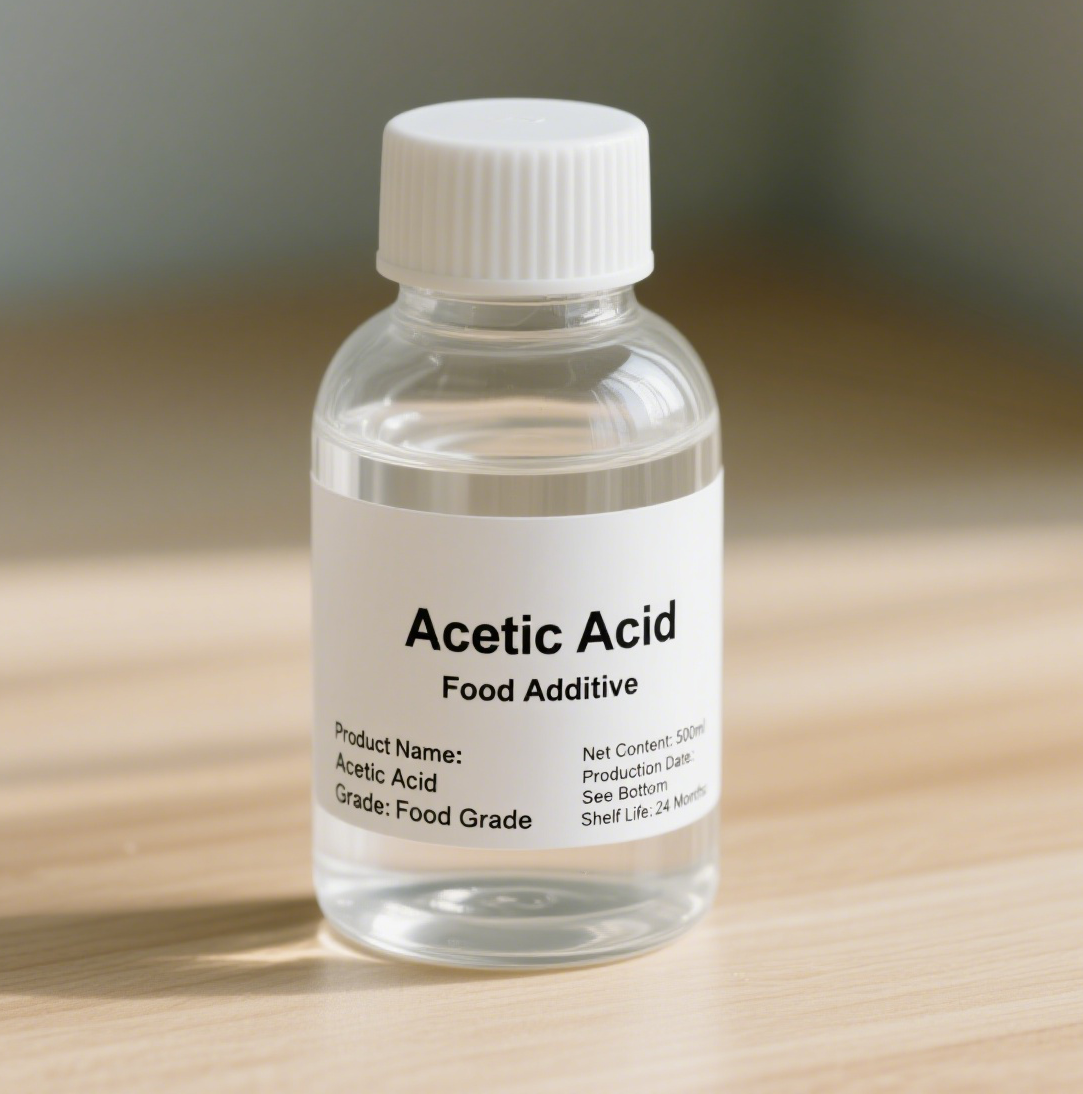
Acetic acid (as food acidity regulator E260) serves multiple functions including flavoring, preservation, and texture modification. Applications must strictly distinguish food-grade (fermentation-prod
Oral amino acids can be directly absorbed by the small intestine, especially the compound amino acid tablets using enteric coating technology. After oral administration, they are not digested by the s
Gamma-aminobutyric acid (GABA), also known as aminocitric acid and piperidinic acid. It is a four-carbon, non-protein amino acid, that is, an amino acid that is not required in protein synthesis. It i
γ-AminobutyricAcid (GABA) is a naturally occurring non-protein functional amino acid, which is an important inhibitory neurotransmitter in the mammalian central nervous system, and has a regulatory ef
I. Core Functions in Preservation & Antibacterial 1. Meat & Processed Food Preservation Lactic acid extends shelf life by inhibiting spoilage bacteria (e.g., E. coli, Salmonella) through pH reduction,
I. Core Functions and Mechanisms Acidity Regulation a) Lactic acid delivers a mild and lingering acidity , neutralizing sweetness while enhancing flavor complexity in beverages, confectionery, and bak
I. Chemical Raw Materials (Approximately 40-45% of Total Consumption) 1. Purified Terephthalic Acid (PTA) Production (Approximately 40-48% of Total Consumption) Application Share: Largest downstream a
Scroll down to load more.
Load moreProduct Inquiry