What exactly is gamma-aminobutyric acid?
Gamma-aminobutyric acid (GABA), also known as aminocitric acid and piperidinic acid. It is a four-carbon, non-protein amino acid, that is, an amino acid that is not required in protein synthesis. It i
Gamma-aminobutyric acid (GABA), also known as aminocitric acid and piperidinic acid. It is a four-carbon, non-protein amino acid, that is, an amino acid that is not required in protein synthesis. It i
γ-AminobutyricAcid (GABA) is a naturally occurring non-protein functional amino acid, which is an important inhibitory neurotransmitter in the mammalian central nervous system, and has a regulatory ef
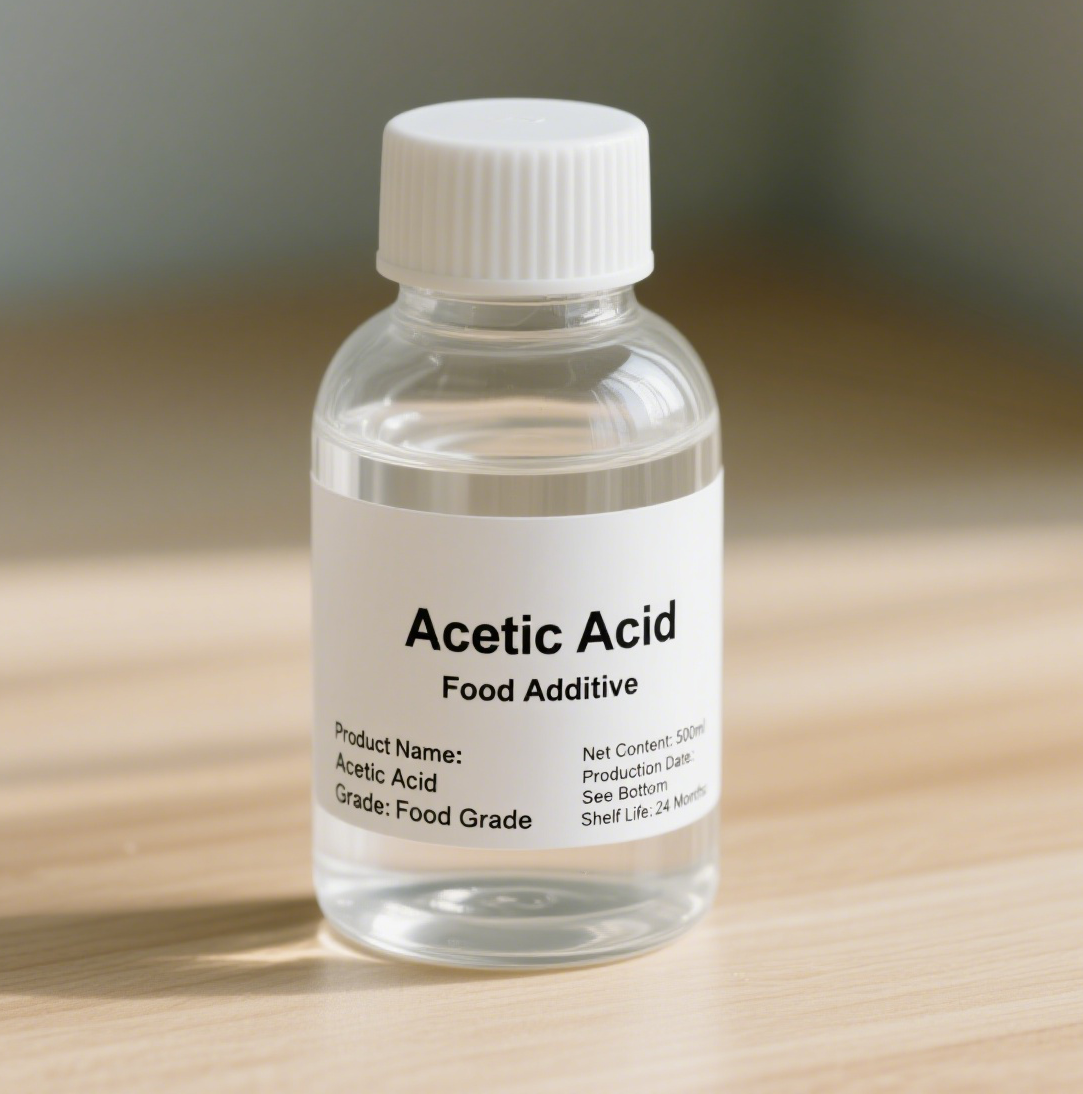
Acetic acid (as food acidity regulator E260) serves multiple functions including flavoring, preservation, and texture modification. Applications must strictly distinguish food-grade (fermentation-prod
I. Core Functions in Preservation & Antibacterial 1. Meat & Processed Food Preservation Lactic acid extends shelf life by inhibiting spoilage bacteria (e.g., E. coli, Salmonella) through pH reduction,
I. Core Functions and Mechanisms Acidity Regulation a) Lactic acid delivers a mild and lingering acidity , neutralizing sweetness while enhancing flavor complexity in beverages, confectionery, and bak
I. Chemical Raw Materials (Approximately 40-45% of Total Consumption) 1. Purified Terephthalic Acid (PTA) Production (Approximately 40-48% of Total Consumption) Application Share: Largest downstream a
The official promulgation of the 2025 edition of the Chinese Pharmacopoeia marks a step forward for China's drug standard system towards a more scientific, rigorous and internationalized direction. Th
I. Core Functions of Lactic Acid in Yogurt Precision Flavor Regulator Lactic acid (C₃H₆O₃) provides a mellow and sustained sourness , with a broad pH adjustment range (2.0-7.0), neutralizing the alkal
Food-grade lactic acid is an organic acid widely used in food, beverages, pharmaceuticals, and daily chemicals, requiring stringent purity and safety standards (e.g., heavy metals ≤0.001%, arsenic sal
Tea contains a large number of free amino acids, most of which have an asymmetric carbon atom and can form two chiral isomers with mirror image symmetry of each other, called L-type and D-type amino a
Scroll down to load more.
Load moreProduct Inquiry