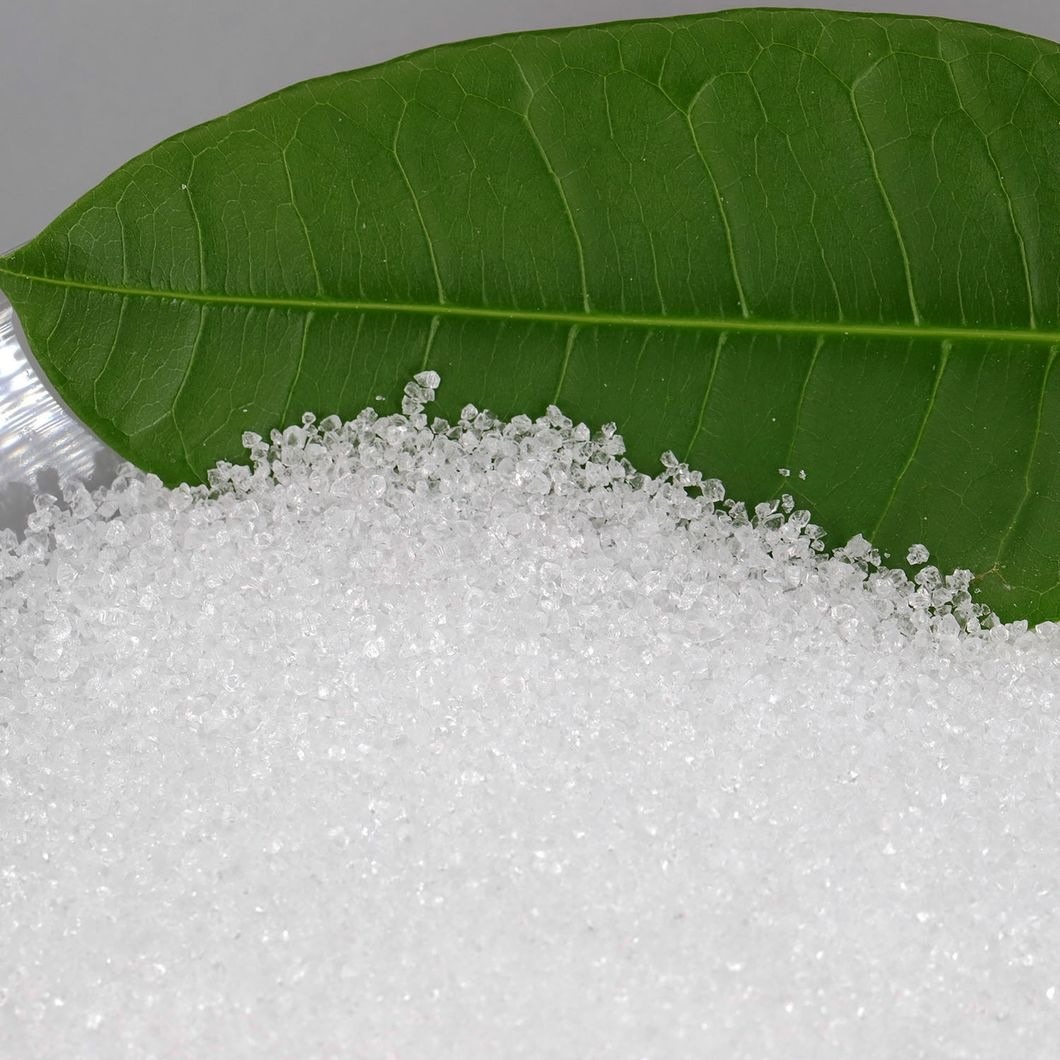
Applications of Anhydrous Citric Acid
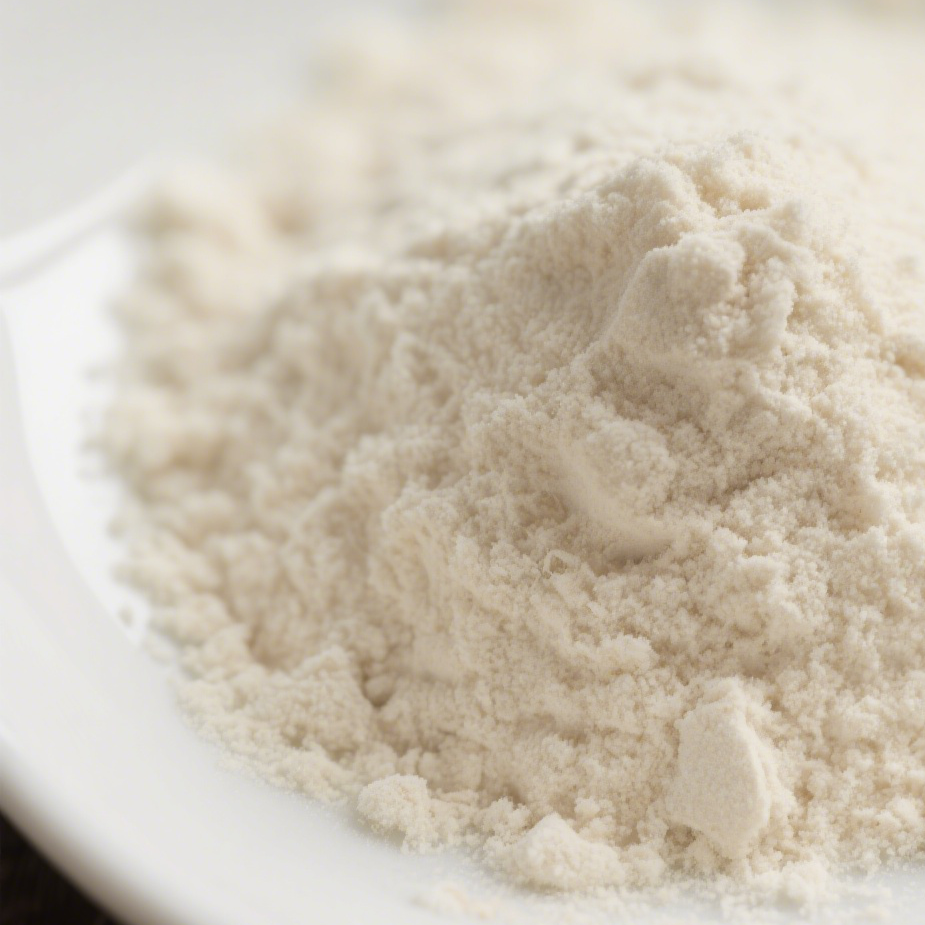
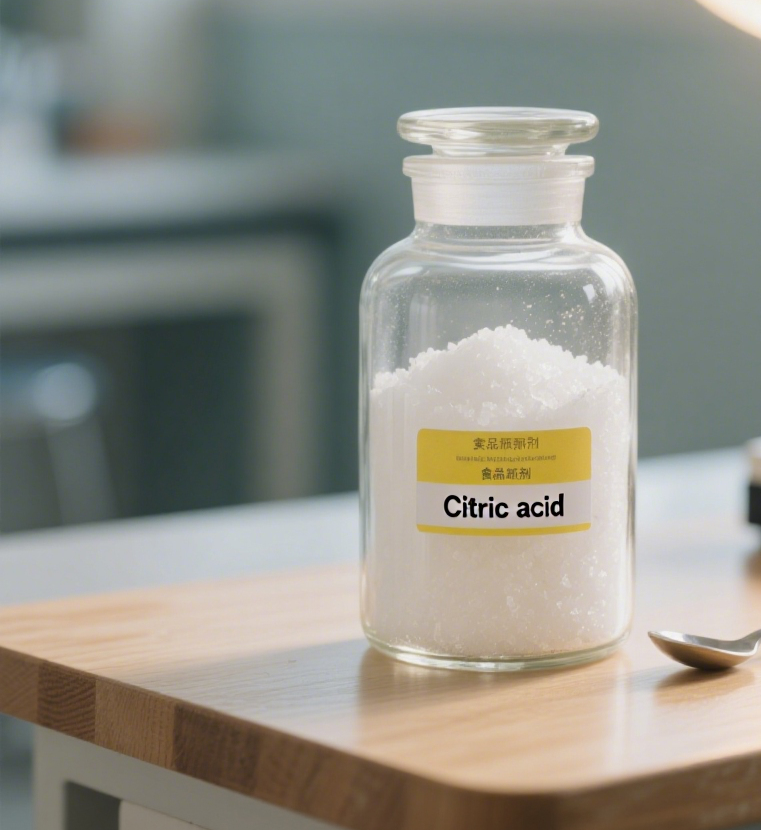
Anhydrous citric acid is the most widely distributed organic acid in fruits and vegetables and the most widely used acidulant in foods. Anhydrous citric acid, also known as citric acid, is an importan

Anhydrous citric acid is the most widely distributed organic acid in fruits and vegetables and the most widely used acidulant in foods. Anhydrous citric acid, also known as citric acid, is an importan
In the fast-paced modern life, we are always looking for a dining solution that is both time-saving and delicious. The many members of the Instant Food family have long become great helpers in countle
Swapping butter for pastry margarine in a croissant recipe saves roughly 30-50% on fat cost — and costs you measurable volume, flavour and shelf appeal. The decision in butter vs pastry margarine for
Spray-dried from premium brewed vinegar, this powder retains essential nutrients while overcoming liquid vinegar’s limitations, serving as a versatile ingredient in food technology and health. I. Core
Citric acid (2-hydroxy-1,2,3-propanetricarboxylic acid), the most widely utilized organic acidulant, constitutes over two-thirds of global acidulant consumption. Existing primarily as citric acid mono
"Firm bite" is not a specification — it is two separate measurements that buyers routinely collapse into one: how much broth the cake absorbs, and how long it keeps its structure while absorbing it. A
I. Historical Roots & Regional Identity France: Birthplace of Wine Vinegar Pioneered the ind ustrial-sca le Orleans Method in the 18th century, revolutionizing vinegar production. Essential for classi
Dried Carrot 1. Raw material sorting: Choose carrots that are fresh and clean, moderately mature, long and thick; and remove damaged or deformed, and stunted carrots. 2. Cooking and cooling: Put the c
Retinol remains the undisputed gold standard in anti-aging skincare, revered for its proven efficacy in reducing wrinkles, improving skin texture, and boosting collagen. However, for B2B formulators a
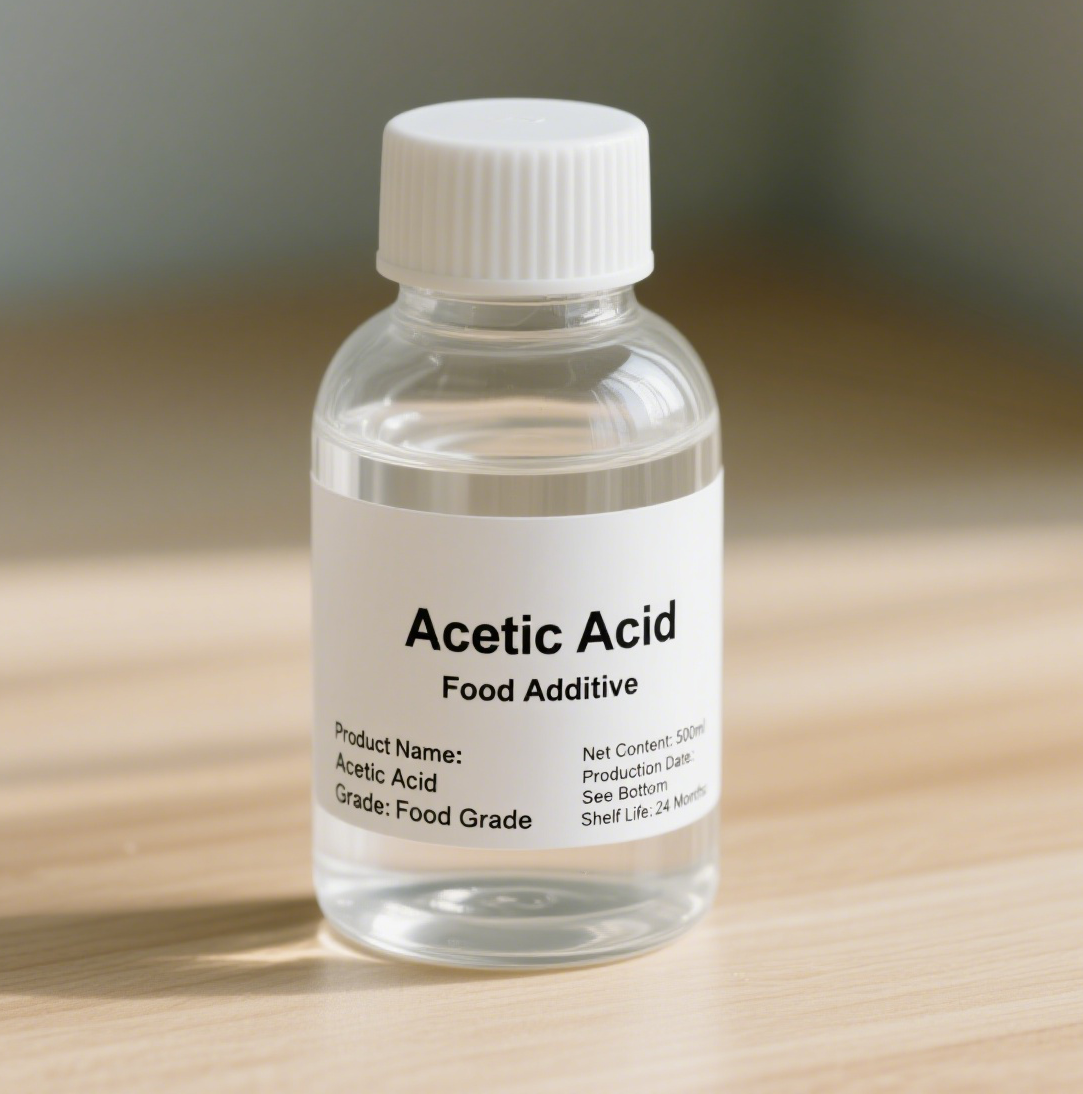
Acetic acid (as food acidity regulator E260) serves multiple functions including flavoring, preservation, and texture modification. Applications must strictly distinguish food-grade (fermentation-prod
Scroll down to load more.
Load moreProduct Inquiry