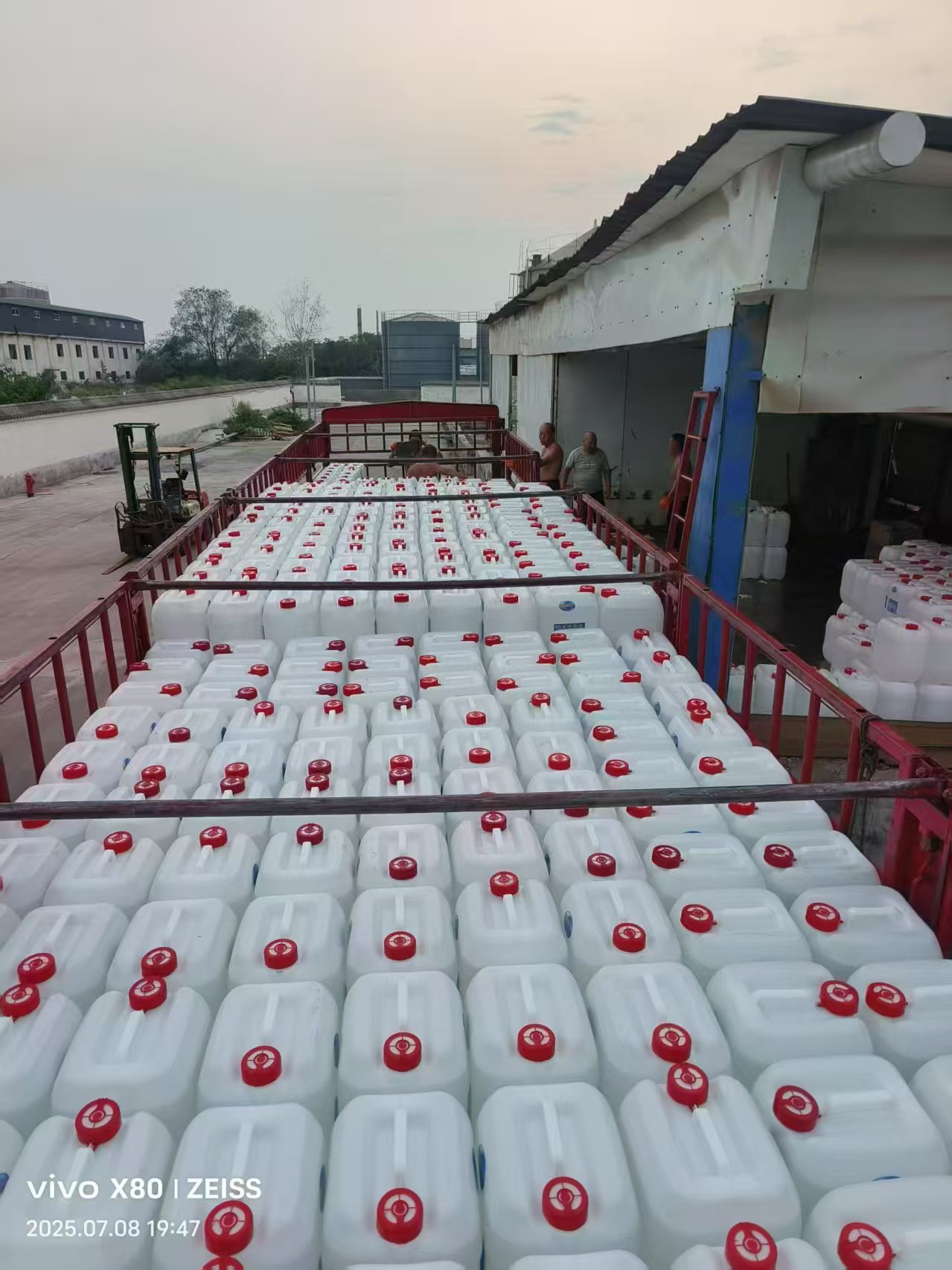
Food-grade lactic acid is an organic acid widely used in food, beverages, pharmaceuticals, and daily chemicals, requiring stringent purity and safety standards (e.g., heavy metals ≤0.001%, arsenic sal
Natural pigments are natural coloring substances obtained by extraction and purification from plant, animal and microbial resources. Natural pigments are divided into many types according to different
Acetic acid and vinegar are not exactly the same. While acetic acid is the main component of vinegar, vinegar is a mixture, while acetic acid is a pure organic compound. Specifically, acetic acid (che
I. Production Raw Materials and Pretreatment Raw Material Selection Corn starch, sucrose, or whey (a byproduct of dairy processing) are primarily used as carbon sources, requiring low cost, easy avail
What is Dehydrated Garlic? Dehydrated garlic, also known as dried garlic, is a popular ingredient in many cuisines around the world. It is made by removing the moisture from fresh garlic, which helps
The production process of syrup is divided into acid method, enzymatic method, and acid-enzymatic method. Different processes have different sweetness, guminess, thickening properties, moisture retent
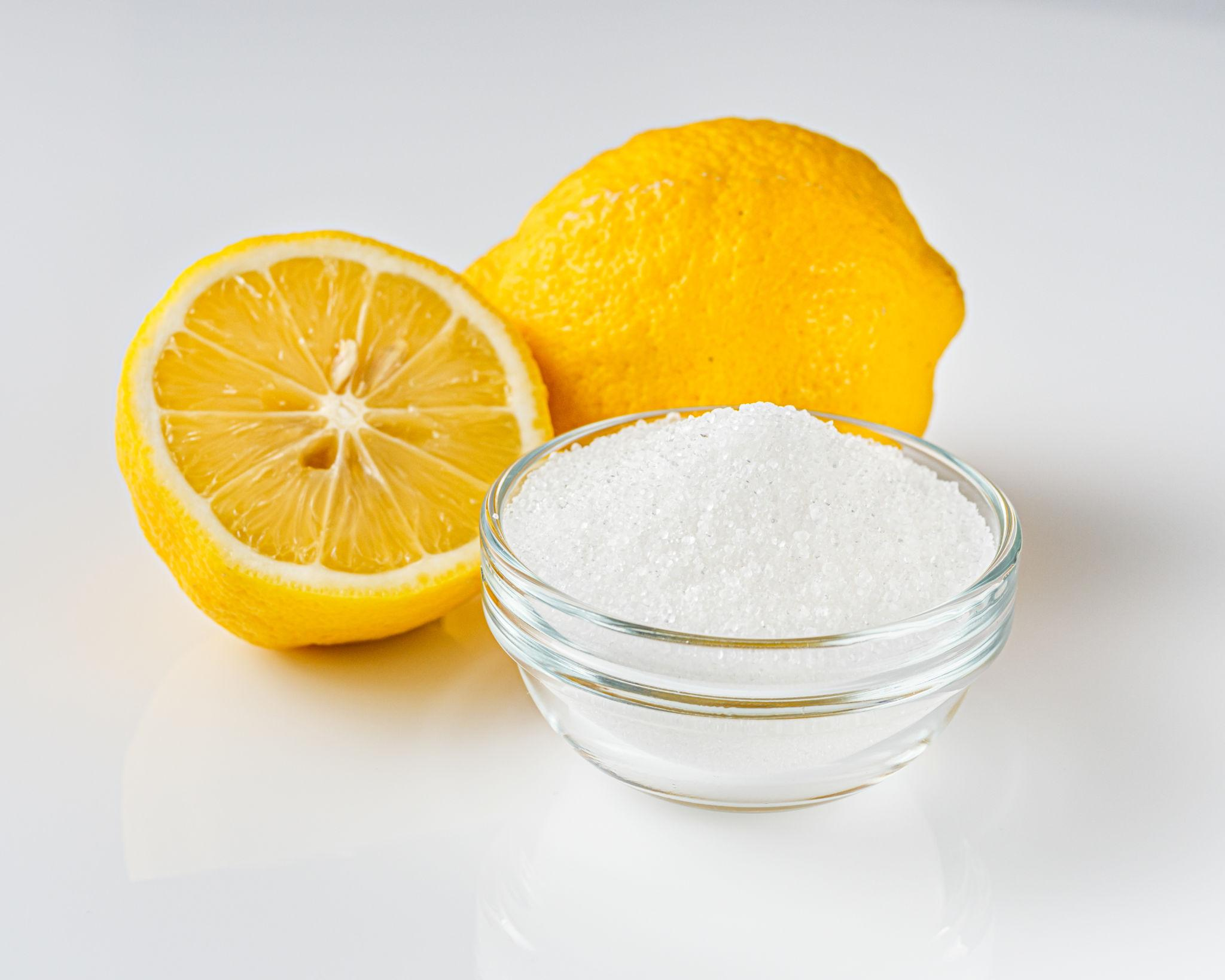
Citric acid is one of the most widely used organic acids in the global food, beverage, pharmaceutical, and nutraceutical industries. Known for its natural presence in citrus fruits and its excellent a
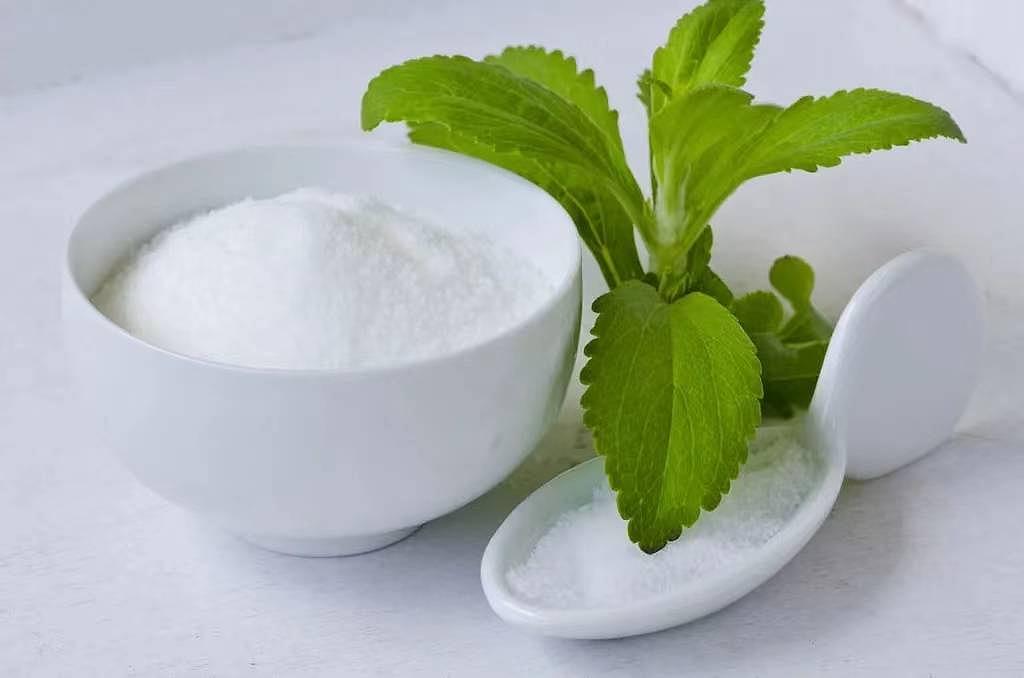
Stevia is a plant native to South America. Stevia is a member of the sunflower family and its leaves are naturally sweet. In fact, people love to chew its leaves because of their sweet taste and use t
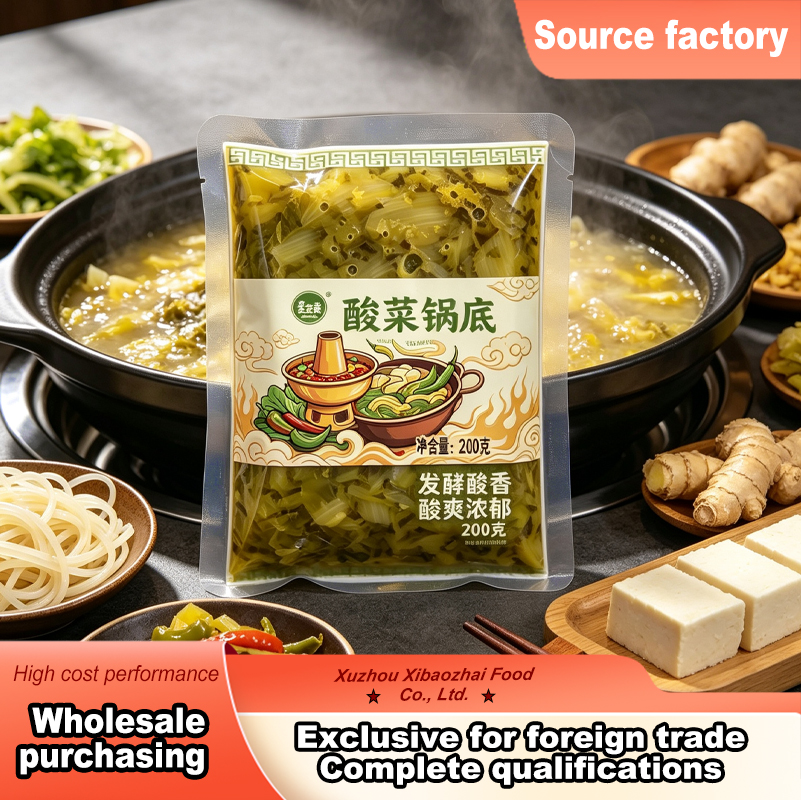
A commercial hot pot soup base typically costs a chain RMB 1.8–3.2 (about USD 0.25–0.45) per pot at the factory gate — but the number that decides your margin is cost per portion served, not price per
Hondashi-style dashi powder is essentially four things in one granule: smoked bonito (katsuobushi) powder, kombu extract, MSG, and salt — typically blended at roughly 45% fish stock powder, 22% kelp e