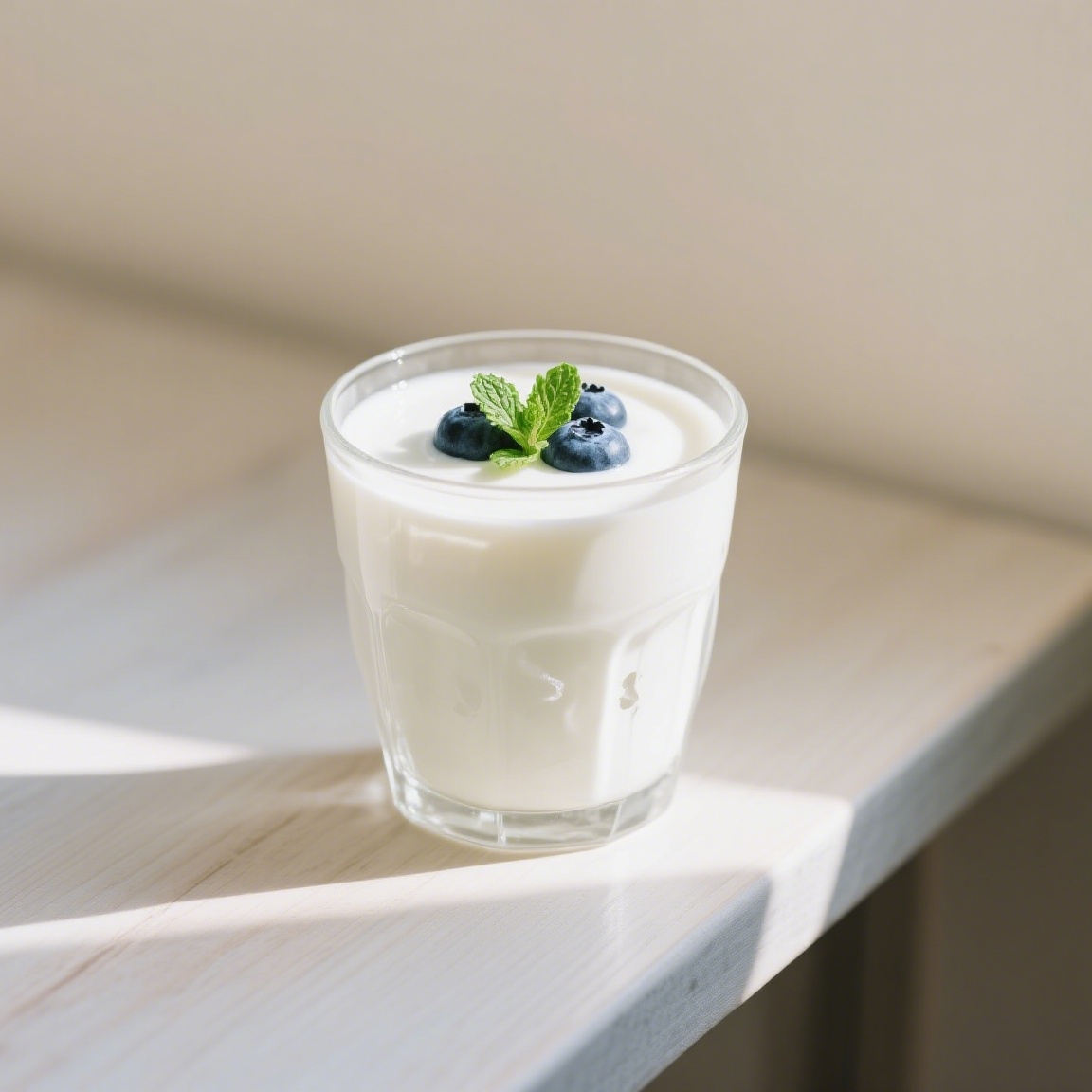
I. Core Functions of Lactic Acid in Yogurt Precision Flavor Regulator Lactic acid (C₃H₆O₃) provides a mellow and sustained sourness , with a broad pH adjustment range (2.0-7.0), neutralizing the alkal
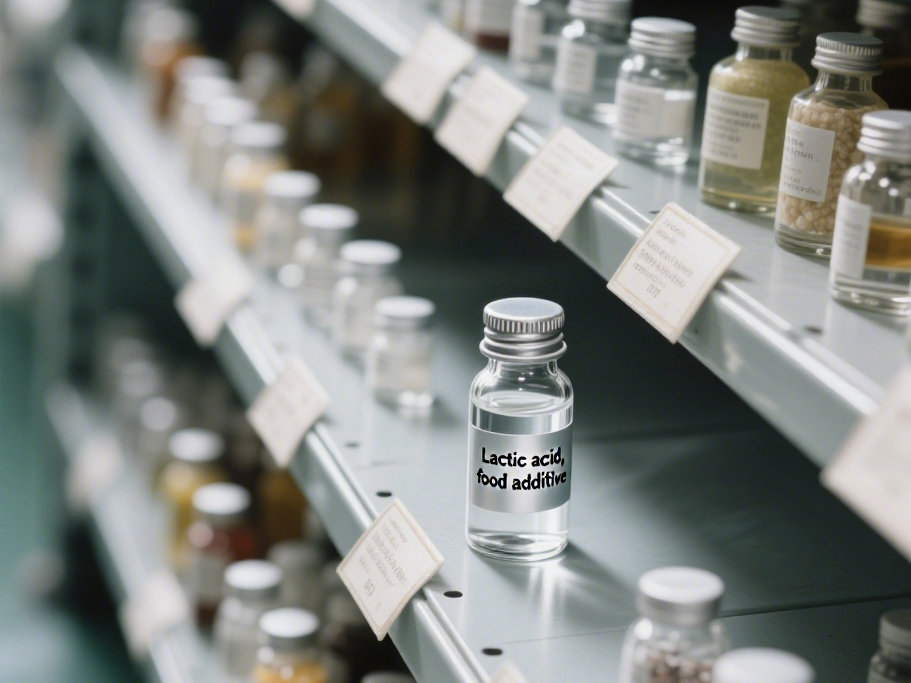
Food-grade lactic acid is an organic acid widely used in food, beverages, pharmaceuticals, and daily chemicals, requiring stringent purity and safety standards (e.g., heavy metals ≤0.001%, arsenic sal
I. Production Raw Materials and Pretreatment Raw Material Selection Corn starch, sucrose, or whey (a byproduct of dairy processing) are primarily used as carbon sources, requiring low cost, easy avail
I. Preservation & Safety Enhancement 1. Extends shelf life by inhibiting pathogens (e.g., E. coli , Salmonella ) through pH regulation (optimal range: 4.5–8.0). Widely used in meat, canned goods, pick
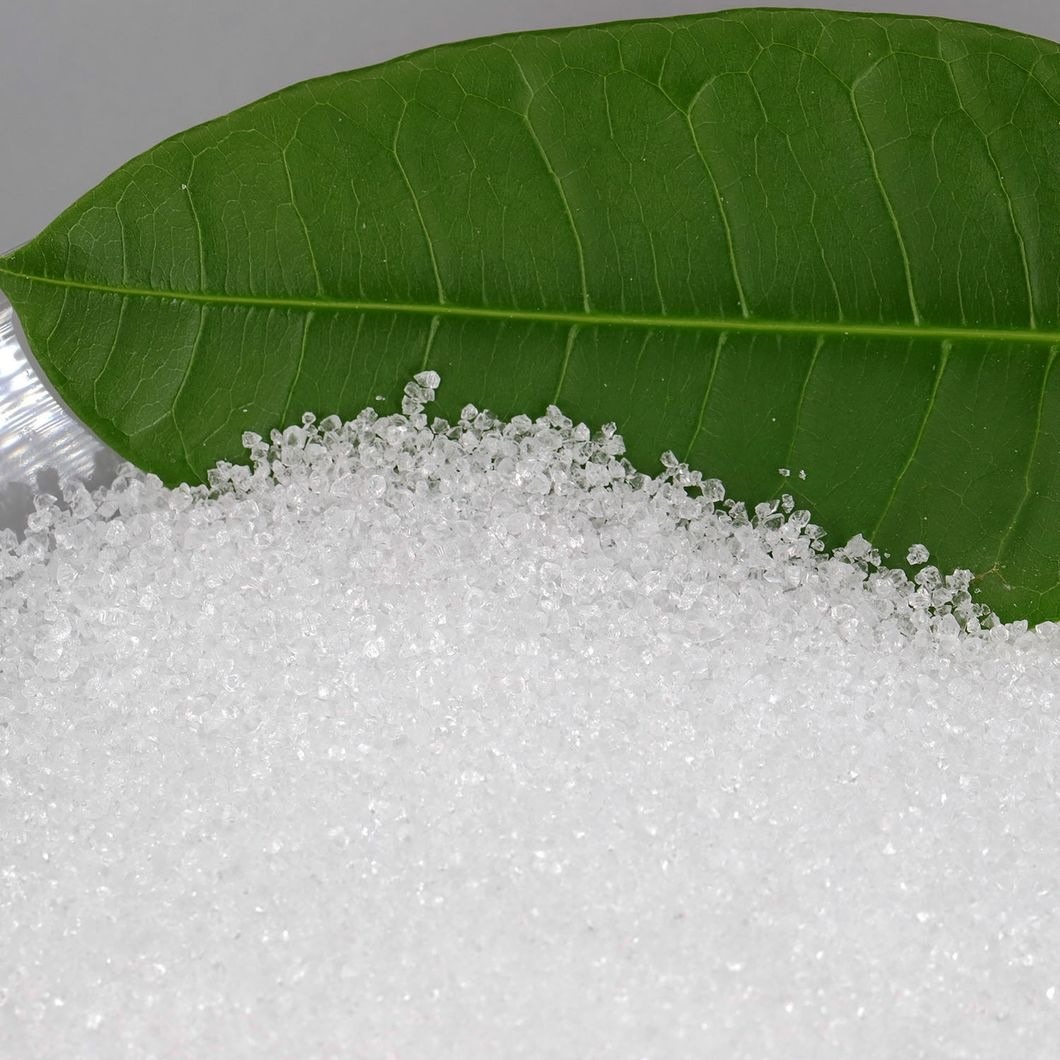
Anhydrous citric acid is the most widely distributed organic acid in fruits and vegetables and the most widely used acidulant in foods. Anhydrous citric acid, also known as citric acid, is an importan
GABA is an amino acid that the body can synthesise on its own, and it is also contained in some foods such as beans, so under normal circumstances, there is no need for a special intake of GABA. Howev
Food Industry: Anhydrous citric acid is primarily used in the food and beverage industry as an acidulant, acidity regulator, flavoring agent, preservative, and freshness enhancer. It improves the sens
Oral amino acids can be directly absorbed by the small intestine, especially the compound amino acid tablets using enteric coating technology. After oral administration, they are not digested by the s
Gamma-aminobutyric acid (GABA), also known as aminocitric acid and piperidinic acid. It is a four-carbon, non-protein amino acid, that is, an amino acid that is not required in protein synthesis. It i
γ-AminobutyricAcid (GABA) is a naturally occurring non-protein functional amino acid, which is an important inhibitory neurotransmitter in the mammalian central nervous system, and has a regulatory ef