The Incoterm tells you who pays for what and, more importantly, who carries the risk — and the three terms you will actually be quoted are EXW, FOB and CFR. Everything else on the sheet is a variable
The usable range for instant noodle cakes runs from about 25g to 110g, and almost every commercial format falls into four bands: 25-40g for snacks and small cups, 55-70g for sides, 80-90g for single-s
A halal certificate covers a named product, made on a named line, for a named period — and the most common sourcing failure is not a forged certificate but a genuine one that does not cover what you a
Round wins for hot pot service in almost every case — not because it looks nicer, but because a round cake has no corners, and corners are the first thing to soften, crack and cloud your broth. If you
The working target is 8-10% moisture, not "as low as possible" — below about 8% the cake turns brittle and arrives cracked, above about 10% it becomes a mould risk in a humid container. Moisture is th
Mould diameter is the specification most buyers never ask for, and it quietly decides three things: whether the cake fits your bowl, how fast it rehydrates, and how many cartons fit a container. The c
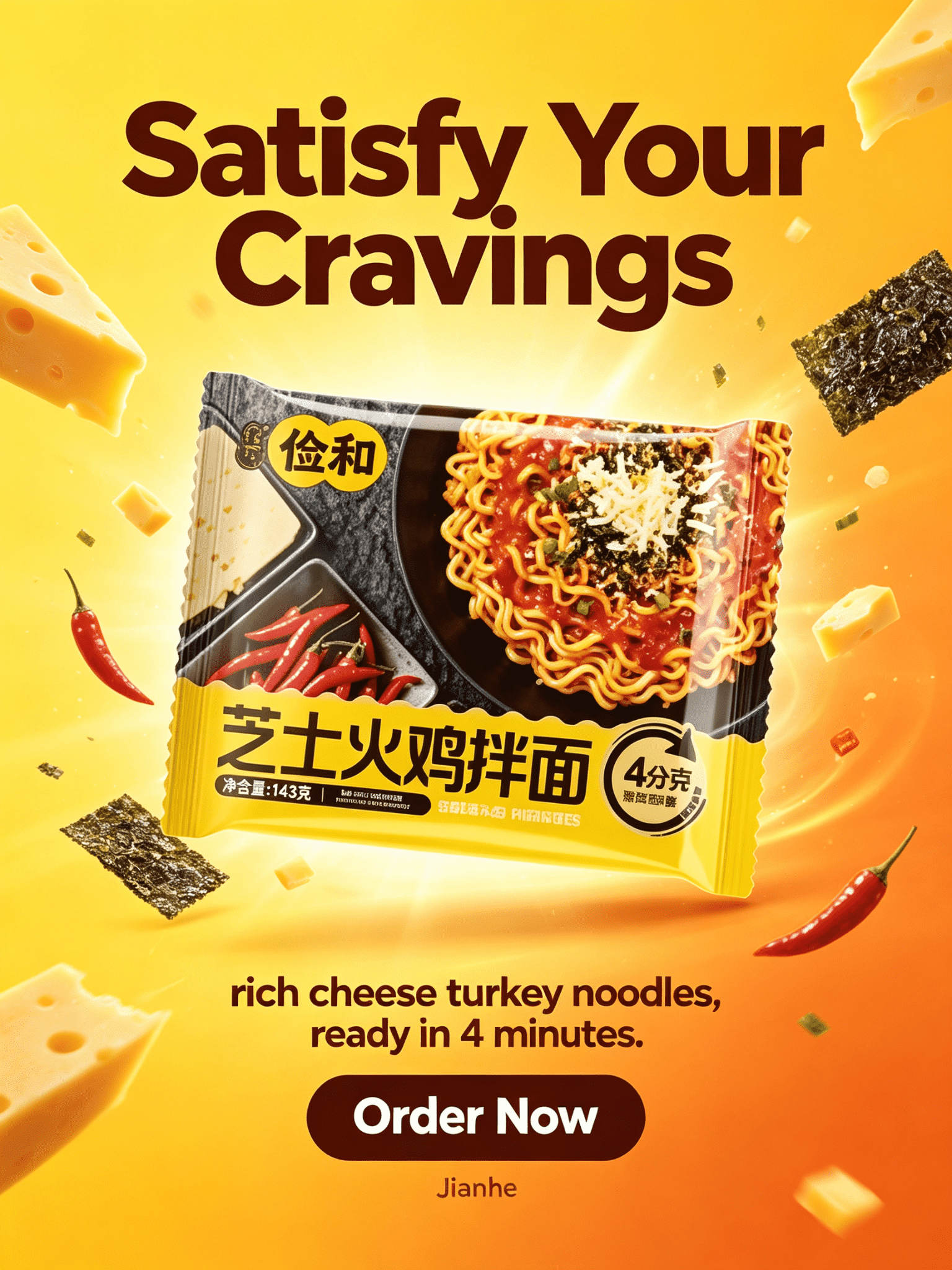
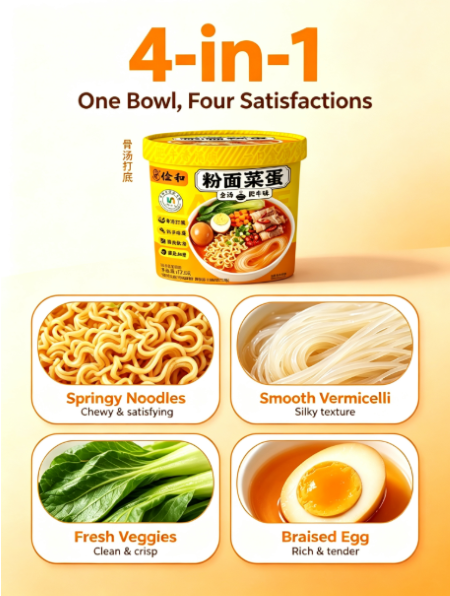
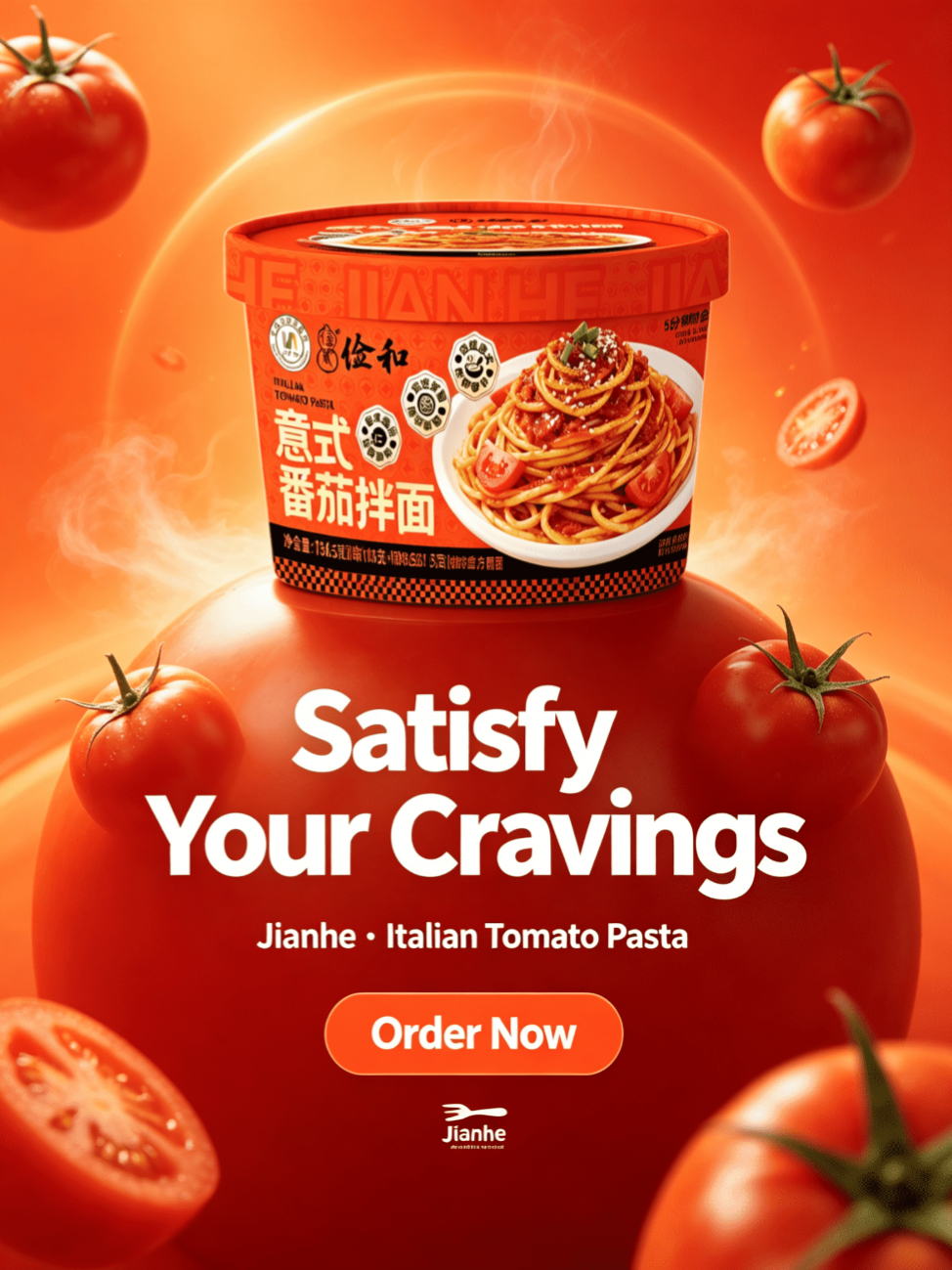
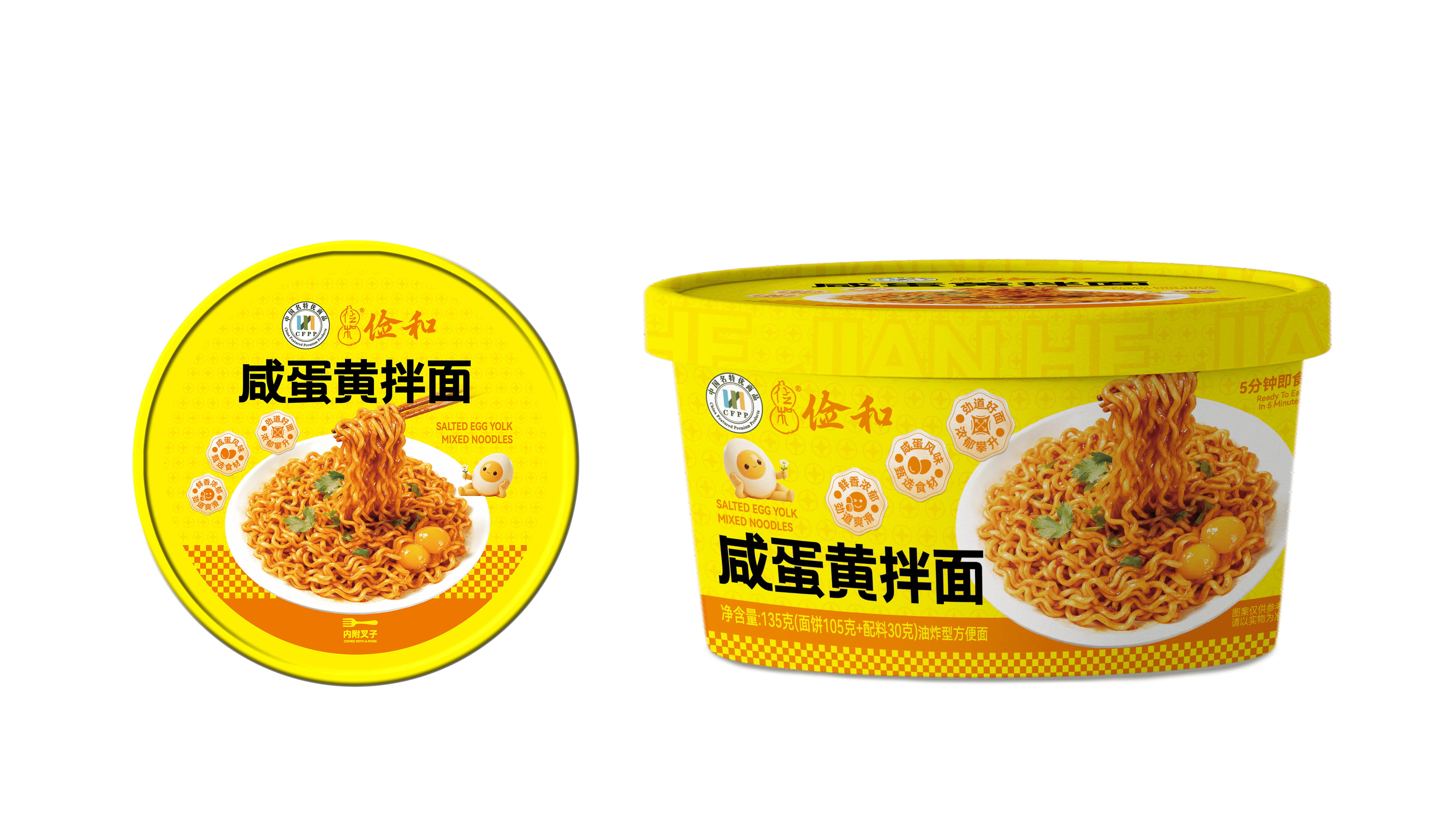
For importers supplying Asian supermarkets, restaurants, and local distributors, sourcing products from multiple suppliers can be a logistical headache. Coordinating different factories, managing vari
Freight typically adds USD 0.010 to 0.020 to the cost of a single noodle cake — small per unit, but large enough to decide whether a market is viable, because it falls hardest on the cheapest products
Stock both, but lead with the one your broth dictates: wheat noodle cakes for clear broths and fast turns, starch vermicelli for red oil bases and anything that simmers past 15 minutes. The reason is
Most hot pot operations settle on 60-70g for a noodle side and 100-110g for a noodle-centred bowl — and that split is decided by portion cost and broth survival time, not by taste. Everything below is