Carrageenan and its compound functions
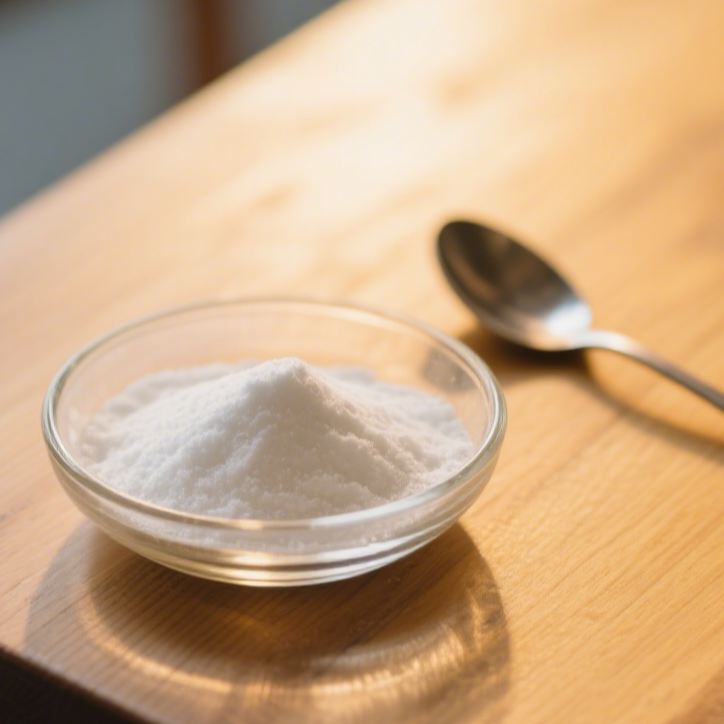
Carrageenan dissolved in hot milk forms a gel when cooled. K-type medium milk is brittle in gelatinity and is easy to dehydrate and shrink. Adding phosphate, carbonate or citrate to chelate or precipi

Carrageenan dissolved in hot milk forms a gel when cooled. K-type medium milk is brittle in gelatinity and is easy to dehydrate and shrink. Adding phosphate, carbonate or citrate to chelate or precipi
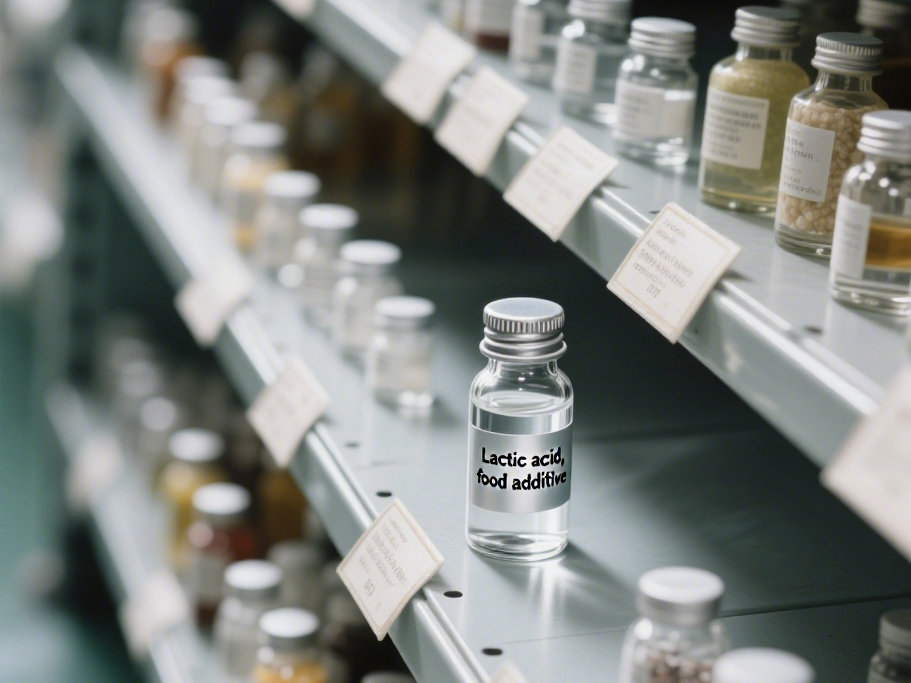
I. Core Functions and Mechanisms Acidity Regulation a) Lactic acid delivers a mild and lingering acidity , neutralizing sweetness while enhancing flavor complexity in beverages, confectionery, and bak
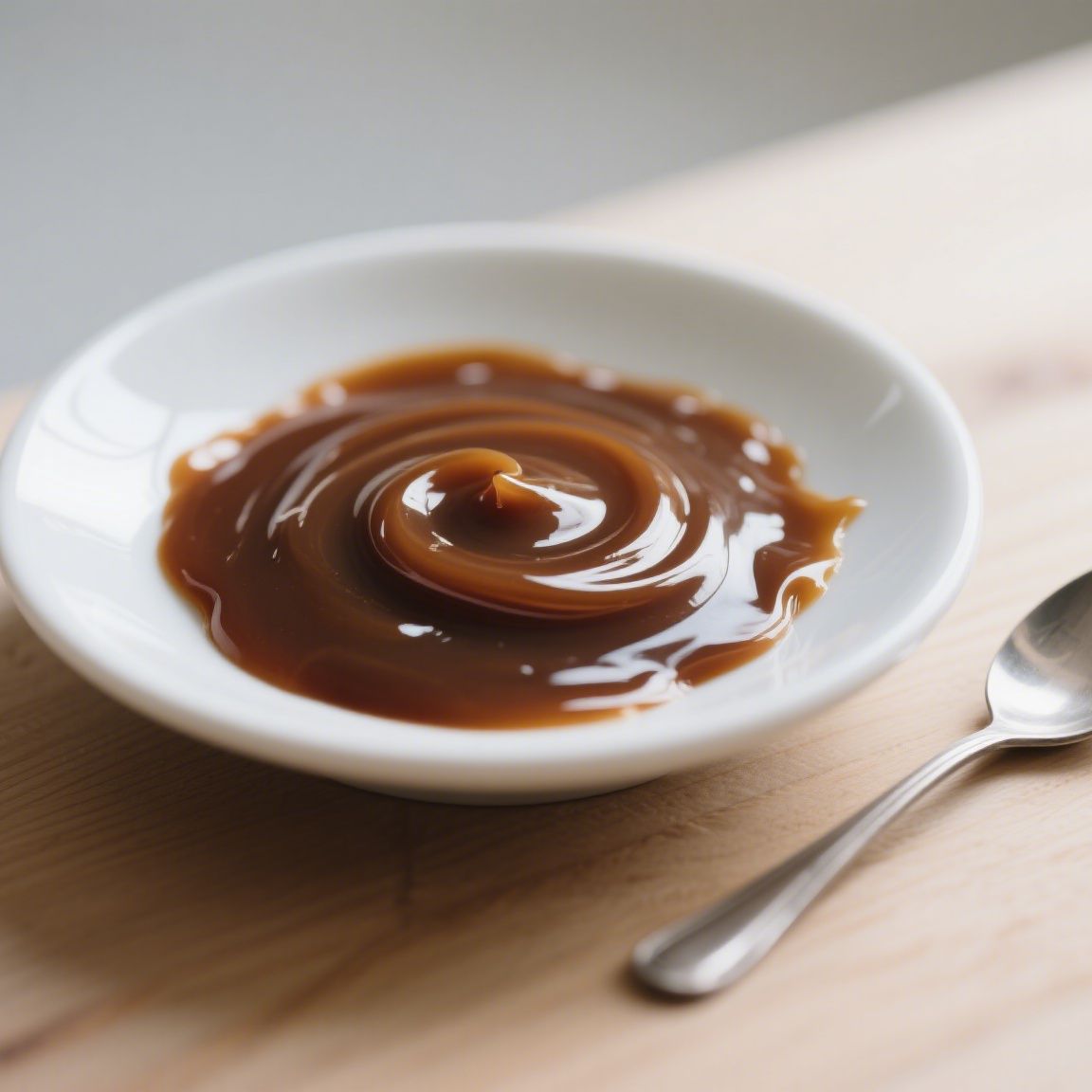
Core Advantages of Caramel Color 1. Natural Attributes and Safety Advantages Historically Natural Pigment : Caramel color is produced from sugars (e.g., sucrose, glucose) through high-temperature dehy
Strawberry Shortcake Smoothie INGREDIENTS: 1 cup unsweetened almond milk 1 scoop vanilla protein powder ½ cup strawberries 2-3 low carb Choczero butter cookies 1 cup ice Sweetener to taste Toppings Wh
I. Preservation & Safety Enhancement 1. Extends shelf life by inhibiting pathogens (e.g., E. coli , Salmonella ) through pH regulation (optimal range: 4.5–8.0). Widely used in meat, canned goods, pick
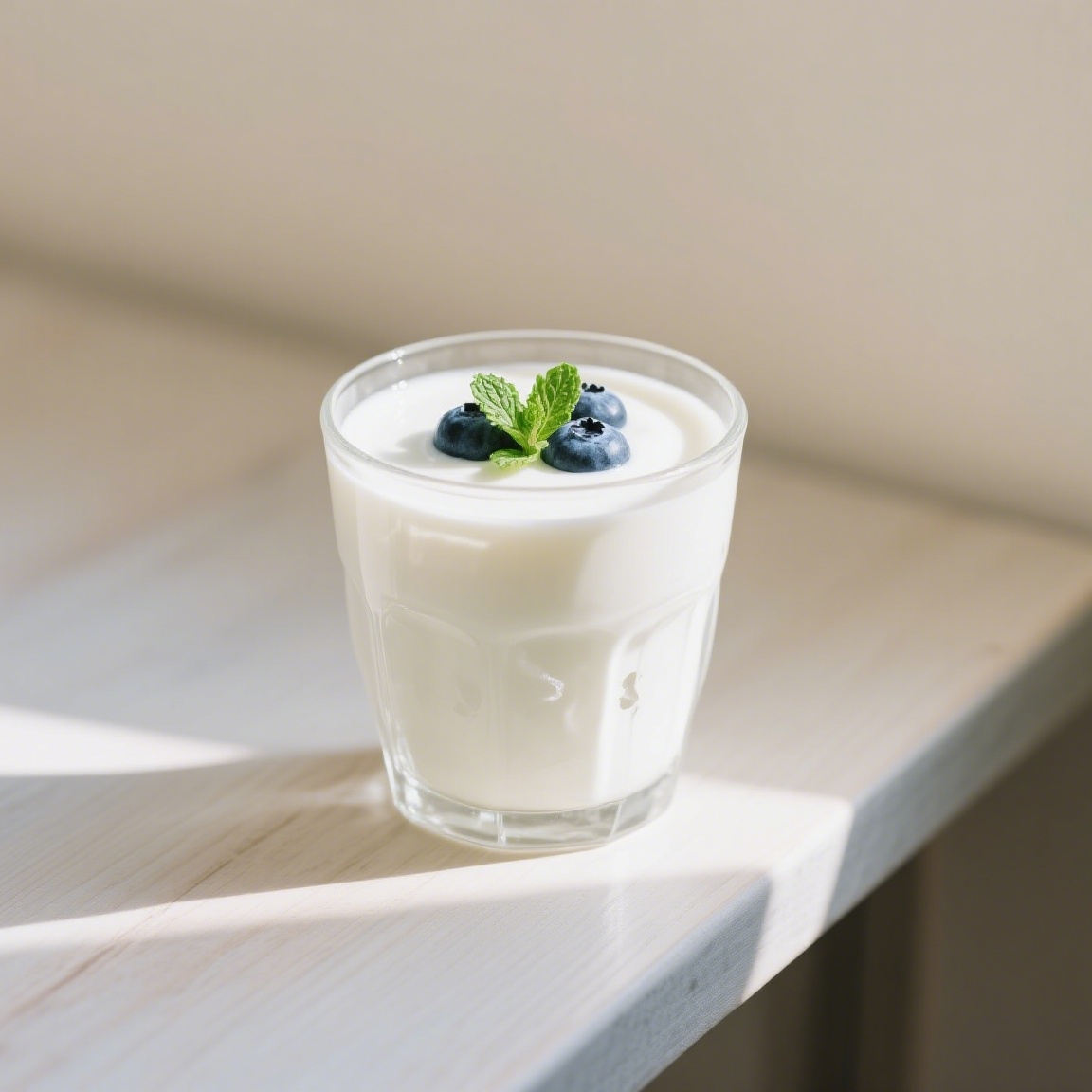
I. Core Functions of Lactic Acid in Yogurt Precision Flavor Regulator Lactic acid (C₃H₆O₃) provides a mellow and sustained sourness , with a broad pH adjustment range (2.0-7.0), neutralizing the alkal
I. Core Functions in Preservation & Antibacterial 1. Meat & Processed Food Preservation Lactic acid extends shelf life by inhibiting spoilage bacteria (e.g., E. coli, Salmonella) through pH reduction,
1.1. Global Momentum: Two Ingredients at the Intersection of Neuro-Health Demand Neuro-health is emerging as one of the fastest-growing segments in the global wellness industry. Aging populations, ris
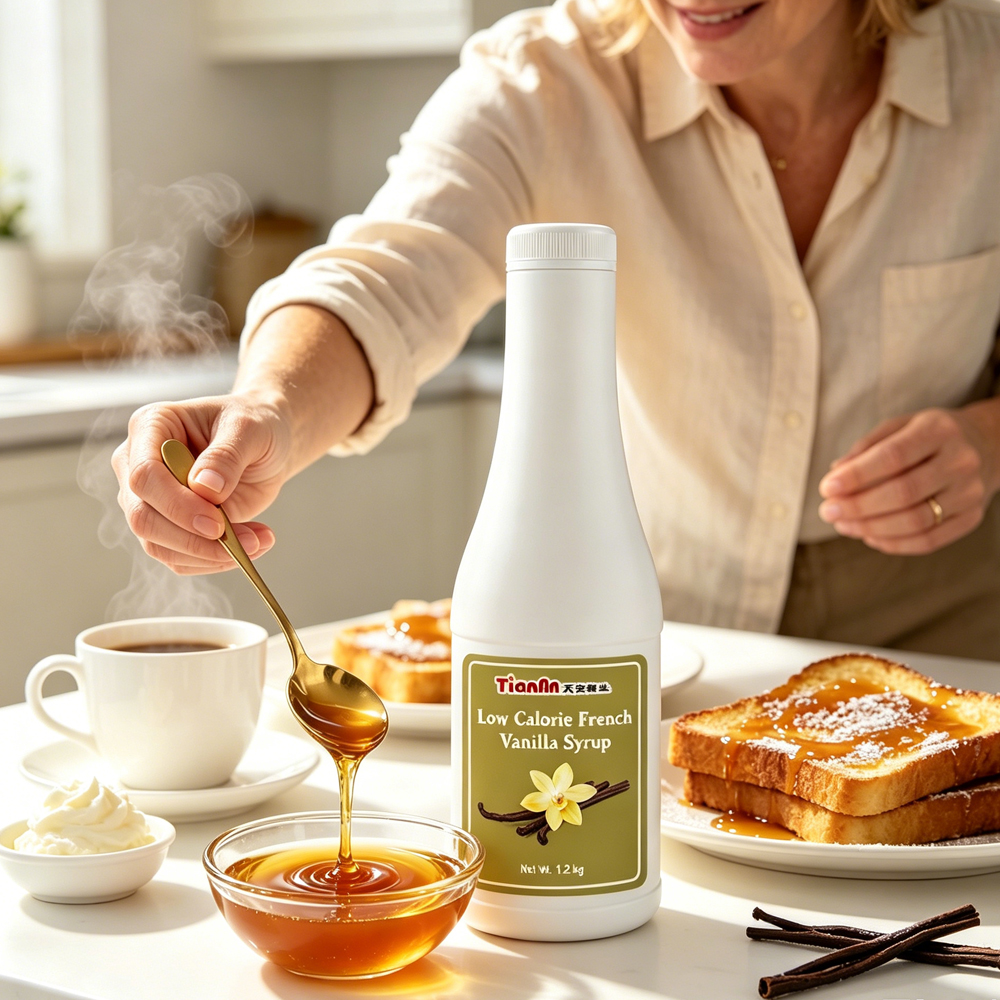
There are many zero-calorie syrups available on the market, and the choice mainly depends on the ingredients and usage: Household small bottles: We produce 800ml or 1000ml bottles, suitable for cof
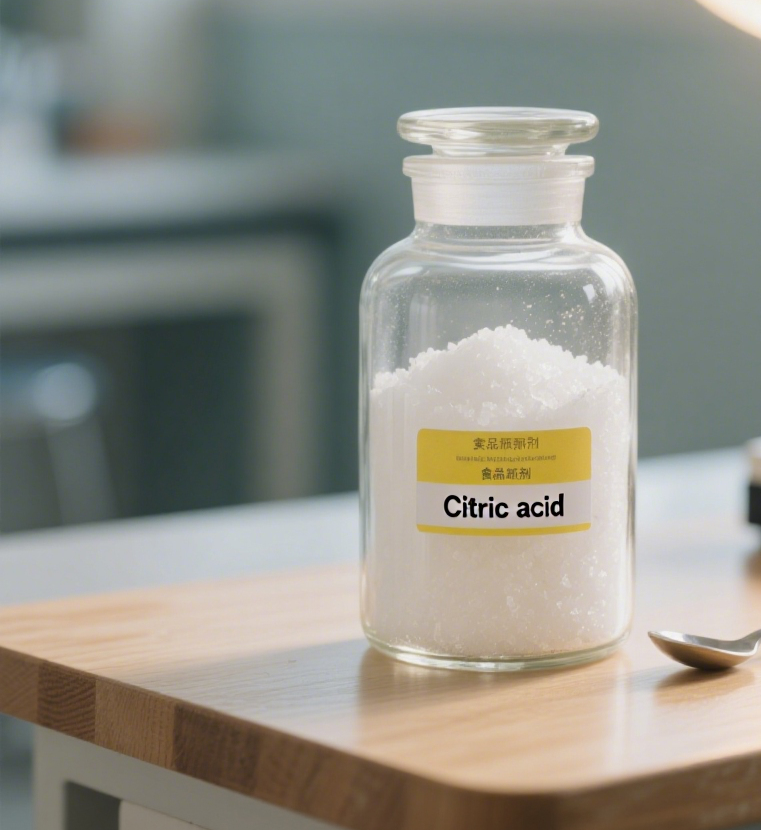
Citric acid (2-hydroxy-1,2,3-propanetricarboxylic acid), the most widely utilized organic acidulant, constitutes over two-thirds of global acidulant consumption. Existing primarily as citric acid mono
Scroll down to load more.
Load moreProduct Inquiry