

The prebiotic industry is entering a new stage of development as consumer interest in digestive health, microbiome balance and overall nutritional wellbeing continues to influence food and beverage innovation. In 2026, the industry is moving beyond simply adding more fiber or prebiotic ingredients, with greater attention being paid to ingredient diversity, formulation performance, scientific evidence and regulatory compliance.
For food manufacturers, this creates new opportunities to incorporate prebiotics into everyday food products while addressing consumers' evolving expectations for convenient, nutritious and enjoyable foods.
1. From Increasing Fiber Intake to Combining Different Fibers
One of the notable industry trends in 2026 is the growing focus on fiber diversity.
Recent industry coverage from SupplySide Global 2026 highlighted a shift from "fibermaxxing" to "fibermixing". Rather than focusing exclusively on increasing total fiber intake, food developers are paying more attention to combining different types of fibers to achieve specific nutritional and formulation objectives.
Different dietary fibers and prebiotic ingredients have different structures, functional properties and fermentation characteristics. Therefore, selecting an appropriate combination can help manufacturers develop products with more tailored nutritional profiles while considering taste, texture, processing conditions and consumer tolerance.
This trend creates opportunities for a wider range of ingredients, including Fructooligosaccharides (FOS), Galactooligosaccharides (GOS), Xylooligosaccharides (XOS), Isomaltooligosaccharides (IMO), Polydextrose and Resistant Dextrin.
For product developers, the key is not simply to add more ingredients, but to select suitable ingredients and application levels according to the intended product and formulation requirements.

2. Prebiotics Are Expanding into Everyday Food and Beverage Applications
Prebiotics are increasingly being considered for applications beyond traditional dietary supplements. Food and beverage manufacturers are exploring ways to incorporate functional ingredients into familiar products, making nutritional enhancement part of everyday consumption.
Several application areas offer opportunities for further development:
Dairy and Dairy Alternatives
Yogurt, fermented milk drinks and dairy-based beverages provide potential opportunities for prebiotic fortification. FOS and GOS can be considered in formulations designed to combine digestive-health-oriented nutrition with convenient daily consumption.
Functional Beverages
Ready-to-drink beverages, powdered drink mixes and functional waters are creating new opportunities for soluble prebiotic ingredients. Solubility, clarity, stability, sweetness and processing compatibility are important considerations when selecting ingredients for liquid applications.
Bakery and Cereal Products
Bread, biscuits, breakfast cereals and cereal bars offer opportunities to increase dietary fiber content through ingredient selection and formulation optimization. Polydextrose, Resistant Dextrin and selected prebiotic oligosaccharides can be evaluated according to the desired nutritional and technological functions.
Nutrition Products and Functional Snacks
Protein bars, nutritional powders and convenient snacks are also relevant areas for innovation. Combining fiber with protein and other nutritional components can help manufacturers respond to growing demand for products offering multiple nutritional attributes.
The broader direction is clear: prebiotic ingredients are becoming part of a wider functional food development strategy rather than remaining limited to specialized nutrition products.

3. Precision Prebiotics and Scientific Evidence Are Becoming More Important
As the prebiotic category develops, ingredient selection is becoming more science-driven.
The focus is shifting toward understanding the characteristics of individual ingredients, their effective application levels, digestive tolerance and the evidence supporting specific nutritional benefits.
In June 2026, the International Scientific Association for Probiotics and Prebiotics (ISAPP) updated its research and development resource on prebiotic validation and health claim substantiation. The guidance highlights the importance of scientific validation and the challenges of translating research findings into regulatory-compliant health claims.
This is particularly relevant for manufacturers developing products for international markets, where regulatory definitions and permitted health claims may differ.
For ingredient selection and product development, several factors deserve attention:
-
Ingredient characterization: Understanding composition, purity and relevant specifications.
-
Application suitability: Evaluating solubility, stability, taste and processing performance.
-
Dosage and tolerance: Determining appropriate inclusion levels through formulation and product testing.
-
Scientific substantiation: Ensuring that nutritional and health-related statements are supported by appropriate evidence.
-
Regulatory compliance: Checking ingredient authorization, conditions of use and labeling requirements in the target market.
These considerations will play an increasingly important role in building consumer confidence and supporting the long-term development of the prebiotic market.
4. Regulatory Developments Are Creating New Application Considerations
Regulatory developments remain an important factor in the international prebiotic industry.
A notable example is the European Commission's Implementing Regulation (EU) 2026/1749, adopted on July 20, 2026, which amended the conditions of use for galacto-oligosaccharide (GOS) as an authorized novel food in the European Union. The regulation entered into force on August 10, 2026, and updated the permitted food categories and corresponding maximum use levels.
The revised conditions cover additional application categories, including certain beverages, drink bases, confectionery, protein products, coffee-based drinks and cereal products.
This development is relevant to food manufacturers considering GOS in new formulations for the European market. However, the authorization applies to GOS meeting the relevant regulatory specifications and conditions of use. Manufacturers should verify that their specific ingredient and intended application comply with the applicable requirements.
More broadly, regulatory review should remain an essential part of ingredient selection and international product development. Market opportunities need to be evaluated alongside the requirements of each destination market.
5. Bailong Chuangyuan: Supporting the Development of Functional Food Ingredients
As demand for dietary fiber and prebiotic ingredients continues to evolve, a diverse ingredient portfolio and reliable manufacturing capabilities are increasingly important for food and nutrition manufacturers.
Shandong Bailong Chuangyuan Bio-tech Co., Ltd. specializes in the development and production of dietary fibers, prebiotics and functional sweeteners, providing ingredient options for a wide range of food, beverage and nutrition applications.
Its prebiotic portfolio includes:
-
FOS (Fructooligosaccharides): Available in different specifications, including FOS 95 Powder, for applications in functional foods, beverages and nutritional products.

-
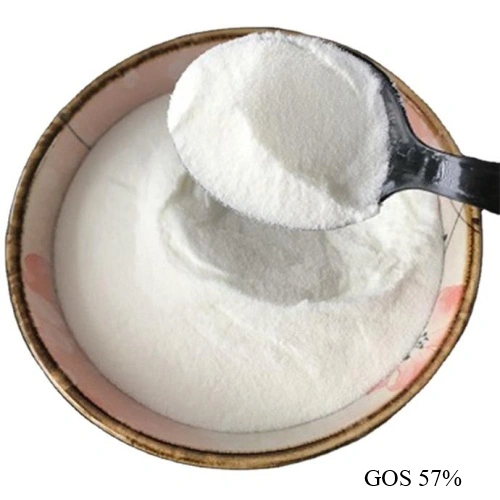
GOS (Galactooligosaccharides): GOS 90 Powder for formulation development in dairy, nutrition and other food applications.
-
XOS (Xylooligosaccharides): Available in powder specifications such as XOS 95 Powder, as well as XOS 70 Syrup.

-
IMO (Isomaltooligosaccharides): Available in corn-based and tapioca-based powder and syrup formats for different formulation requirements.

In addition to prebiotics, Bailong Chuangyuan offers dietary fiber ingredients such as Polydextrose, Resistant Dextrin, PHGG and Soluble Tapioca Fiber, as well as functional sweeteners including D-Allulose, Tagatose and Isomaltulose.
With its broad product portfolio, manufacturing capabilities and continued focus on research and development, Bailong Chuangyuan aims to support customers in exploring ingredient combinations and developing functional food solutions that meet changing market and formulation needs.
Looking Ahead
The future of the prebiotic industry will be shaped not only by growing awareness of digestive health, but also by advances in ingredient science, formulation technology and regulatory understanding.
From fiber diversity and precision prebiotics to the expansion of functional ingredients into everyday foods and beverages, the market is creating opportunities for more targeted and application-oriented product development.
For food manufacturers, choosing the right ingredients, understanding their functional characteristics and ensuring regulatory compliance will be essential to turning these opportunities into successful products.
Bailong Chuangyuan will continue to provide a diverse portfolio of prebiotics, dietary fibers and functional sweeteners to support the evolving needs of the global food and nutrition industry.



Reference
1. Food Ingredients First (November 5, 2026). From “fibermaxxing” to “fibermixing”: SupplySide Global 2026 spotlights next-gen fiber innovation.
2. ISAPP (June 17, 2026). Prebiotic Research & Development – Key Considerations for Prebiotic Validation and Health Claim Substantiation.
3. European Commission (July 20, 2026). Commission Implementing Regulation (EU) 2026/1749 – Conditions of Use of Galacto-Oligosaccharide.
4. Nutritional Outlook (September 14, 2026). Digestive Health in 2026: How the Nutraceutical Industry Is Moving From "Gut Health" Hype to Precision Claims.