
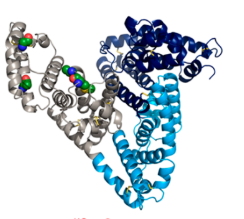
Novo Nordisk's long-acting growth hormone has been approved in China
Novo Nordisk's long-acting growth hormone (brand name: Sogroya®/Somapacitan injection) has been approved in China for the treatment of children aged 2.5 years and above with growth failure due to inadequate secretion of endogenous growth hormone.
Core Information:
- Product & Mechanism: It is a once-weekly long-acting growth hormone analog that extends its duration of action through structural modification.
- Basis for Approval: Based on global Phase III clinical trials, its efficacy in promoting height velocity is comparable to daily growth hormone, with a good safety profile.
- Key Significance: Changing the treatment regimen from daily to weekly significantly improves treatment compliance and the quality of life for children.
- Current Status: Approved by China's National Medical Products Administration. Specific details regarding launch date, retail price, and inclusion in medical insurance are pending further official announcements.
Common Side Effects of Novo Nordisk's Long-acting Growth Hormone Sogroya® are similar to those of daily growth hormone, primarily related to the initial treatment phase or dose adjustments, with an overall good safety profile.
Main side effects include:
- Common Reactions: Injection site reactions (e.g., redness, pain), headache, fever, transient elevated blood sugar.
- Reactions to Monitor: A minority may experience joint pain, muscle pain, or edema, which typically lessen as the body adapts.
- Rare but Serious Risks: As with all growth hormones, there is a very low risk of inducing intracranial hypertension, slipped capital femoral epiphysis, or severe allergic reactions, requiring monitoring by a doctor.
Core Recommendation:
All side effects are preventable and manageable. The key is to use it under the standardized monitoring and dosage guidance of a pediatric endocrinologist, and never adjust the dose independently.