What are the uses of anhydrous citric acid?
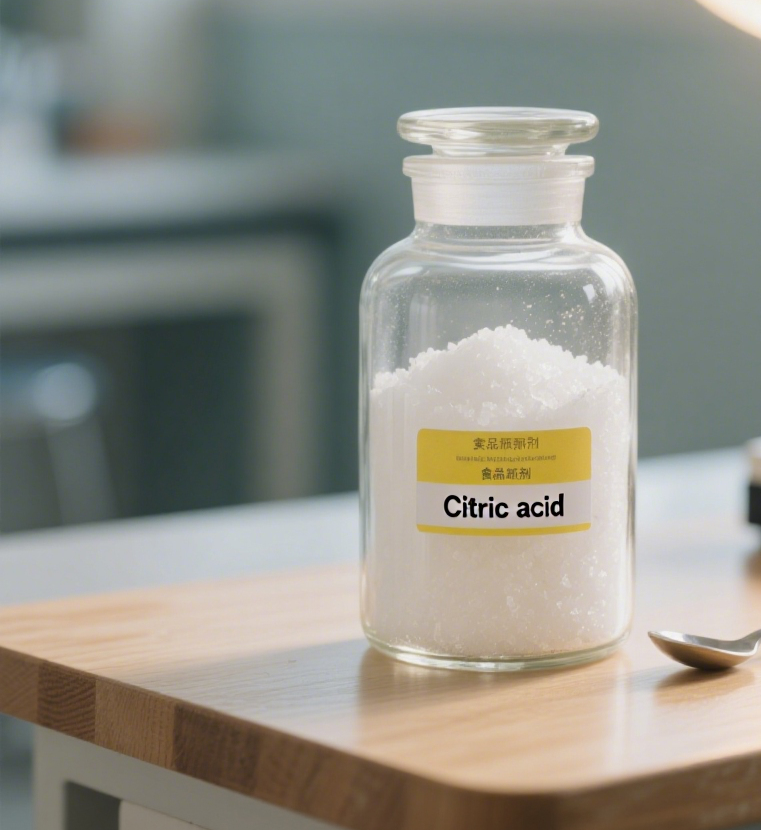
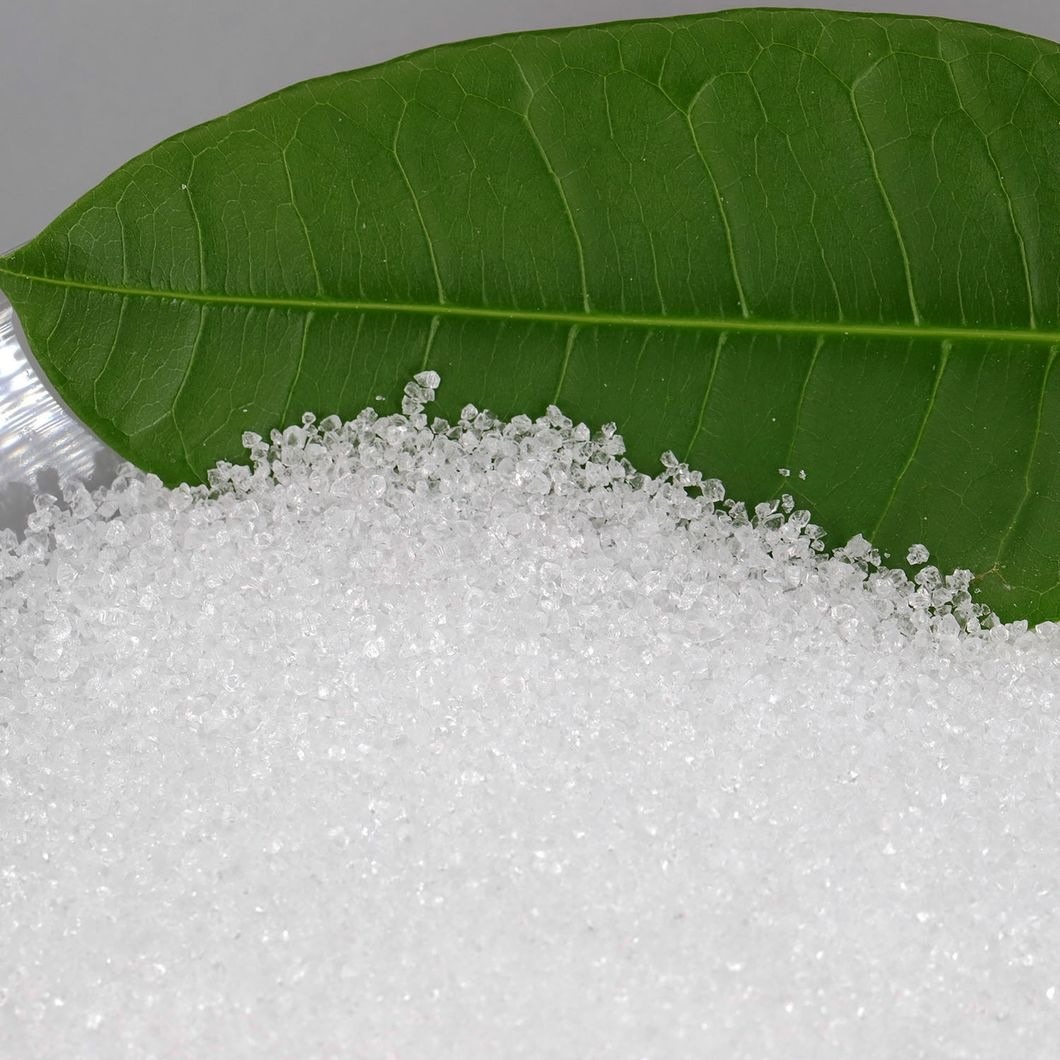
Food Industry: Anhydrous citric acid is primarily used in the food and beverage industry as an acidulant, acidity regulator, flavoring agent, preservative, and freshness enhancer. It improves the sens

Food Industry: Anhydrous citric acid is primarily used in the food and beverage industry as an acidulant, acidity regulator, flavoring agent, preservative, and freshness enhancer. It improves the sens
Spray-dried from premium brewed vinegar, this powder retains essential nutrients while overcoming liquid vinegar’s limitations, serving as a versatile ingredient in food technology and health. I. Core
The global food industry is witnessing a significant shift towards innovative and sustainable products, with wheat egg products emerging as a key player in this transformation. Combining the nutrition
Published: April 9, 2026 | Category: Headline News | Source: Online | Views: 526 Following the viral hit Ginger Scallion Boiled Chicken Flavored Milk launched earlier this year, time-honored Guangzhou
The fusion of wheat and eggs has given rise to a new category of food products that are capturing the attention of consumers and industry players alike. Wheat egg products, which combine the wholesome
Citric acid (2-hydroxy-1,2,3-propanetricarboxylic acid), the most widely utilized organic acidulant, constitutes over two-thirds of global acidulant consumption. Existing primarily as citric acid mono
All three products start from the same brine-set curd, yet they behave nothing alike in the kitchen: tofu puffs are thick-cut, hollow and spongy; aburaage is a thin double-fried sheet that opens into
I. Historical Roots & Regional Identity France: Birthplace of Wine Vinegar Pioneered the ind ustrial-sca le Orleans Method in the 18th century, revolutionizing vinegar production. Essential for classi
Qiaoge Foods Dispatches Steam-Cooked Chicken C hicken D rumette s to Cambodia Fully cooked, re-bake-to-serve wing roots in New Orleans-style and Black Pepper variants shipped on 27 October 2026 XUANCH
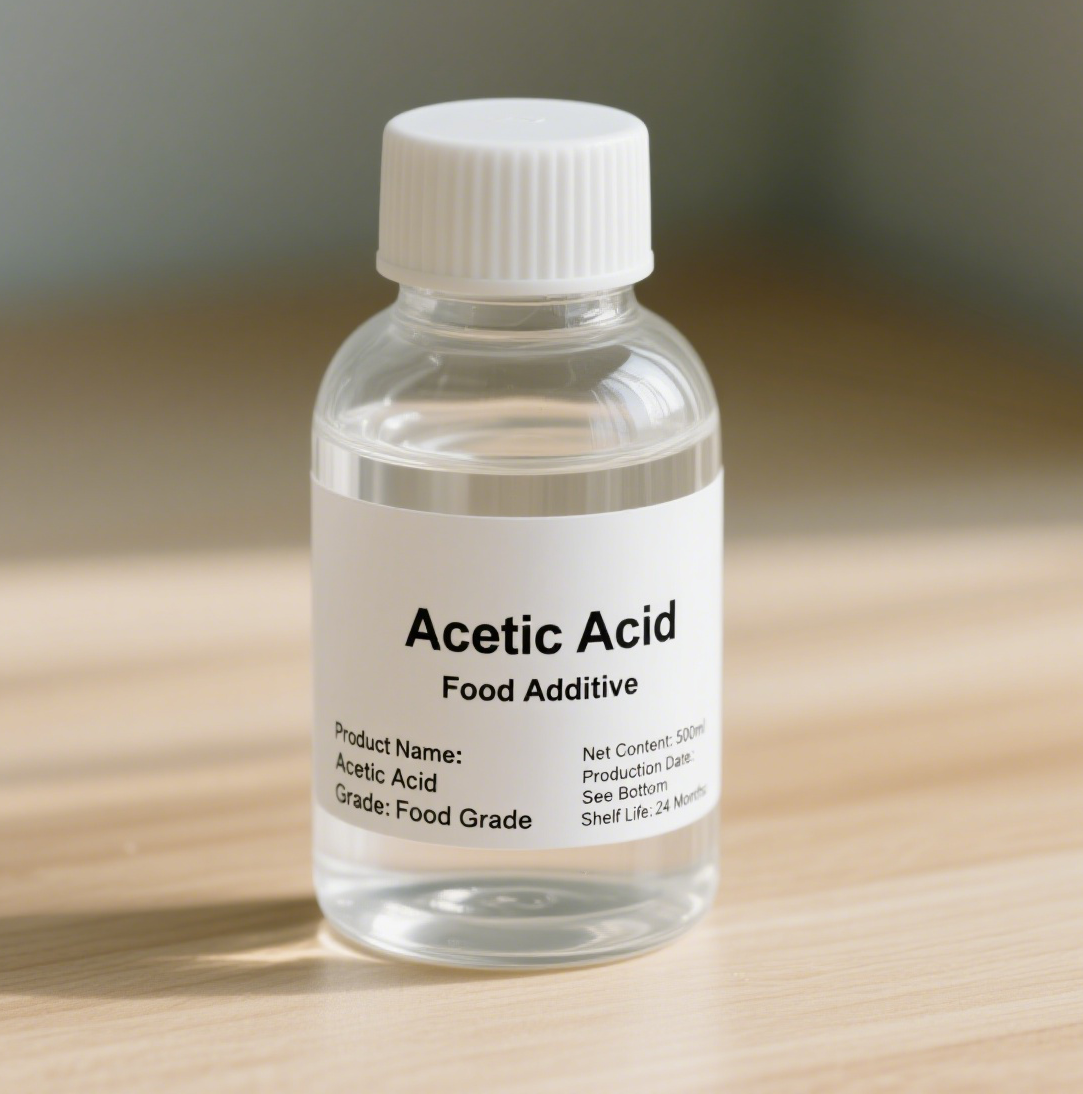
Acetic acid (as food acidity regulator E260) serves multiple functions including flavoring, preservation, and texture modification. Applications must strictly distinguish food-grade (fermentation-prod
Scroll down to load more.
Load moreProduct Inquiry