
I. Breakthrough in National Standards
1.Technical Authority Enhancement: The revision of China's caramel color national standards has completed core technical validation. The new standards will formally incorporate specifications for enzymatic preparation processes and tighten limits on harmful by-products (e.g., 4-methylimidazole (4-MEI) residues) to below 50 ppm, accelerating industry green transformation.
2.Testing Cost Optimization: Rapid detection methods are being developed in parallel, projected to reduce compliance costs by 30% upon mandatory implementation in 2026.
II. Industrial Application of Enzymatic Technology
1.Process Innovation: Bio-enzyme catalysis replaces traditional high-temperature decomposition, slashing energy consumption by 40% while enhancing product stability (heat resistance up to 180°C). Pilot production lines have passed official acceptance.
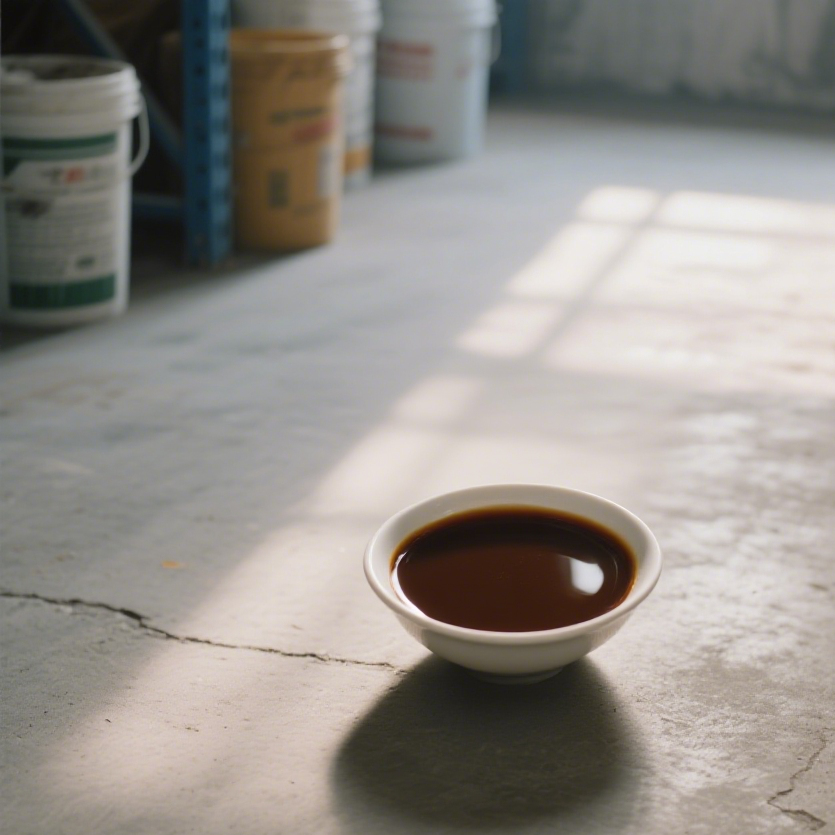
caramel color, caramel food coloring, caramel candy color, Food caramel, Ordinary caramel, sulphatic ammonia caramel, sulfite ammonia caramel colors, ammonia caramel food coloring, ammonia caramel colors.
2.Waste Recycling: Technology converting molasses waste residue into biofuel completed pilot trials, reducing carbon emissions by 25%. Full-scale deployment to mainstream production lines is planned by late 2025.
III. Global Safety Guidelines Advance
1.Harmonized International Standards: The Joint FAO/WHO Expert Committee on Food Additives (JECFA) confirmed it will release updated caramel color safety assessment guidelines in Q1 2026, emphasizing traceability of natural raw materials and residue control. Chinese experts participated in drafting technical proposals.