
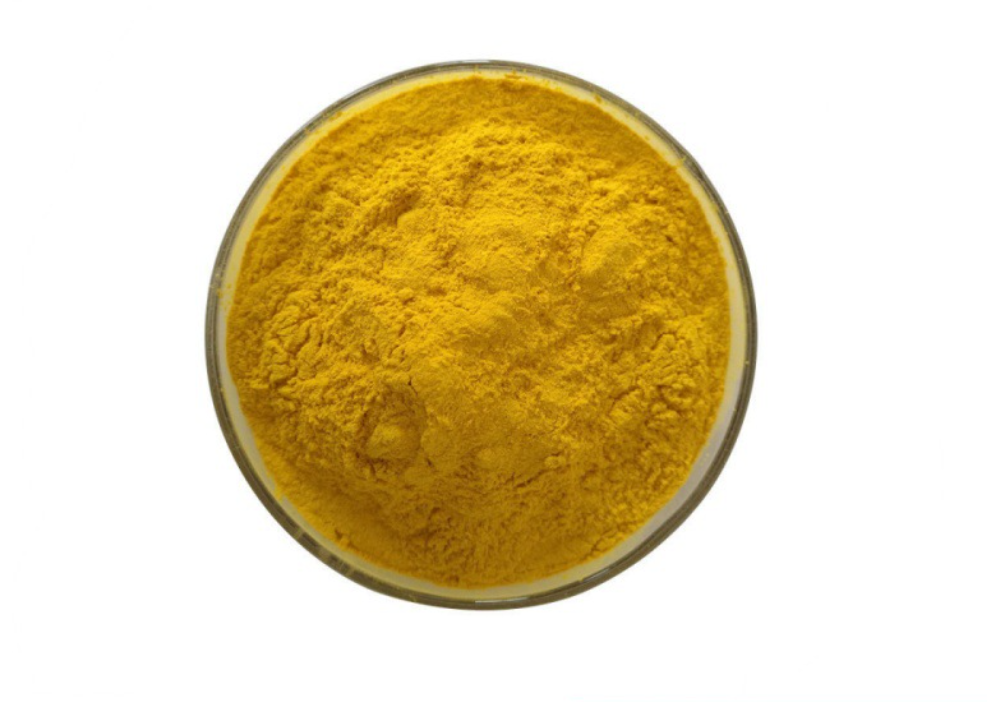
The extraction process technology of Berberine Hydrochloride Natural Extract directly impacts the supply quality of the pharmaceutical industry. Its production involves key steps such as plant material screening, pulverization, solvent extraction, purification, and salt crystallization. The extraction process requires strict control over solvent type, extraction temperature, and purification precision to ensure the extract's purity and activity. Additionally, it is crucial to monitor heavy metal, pesticide residue, and other alkaloid impurity levels to avoid compromising downstream drug safety. Furthermore, the extract is susceptible to storage conditions, necessitating light-shielding and sealed packaging to maintain stability. These process details not only reflect the production standards of natural extracts in the pharmaceutical industry but also directly influence the application reliability of Berberine Hydrochloride Natural Extract and the efficiency of finished drug production.
At the market level, Berberine Hydrochloride Natural Extract is a commonly used variety in the pharmaceutical industry's natural antibacterial raw materials. With sustained clinical demand for natural and safe intestinal treatment drugs, its market demand remains stable. Domestically, multiple companies with large-scale extraction capabilities have emerged, achieving stable supply of Berberine Hydrochloride Natural Extract by optimizing extraction processes and improving quality control systems. This provides critical support for the pharmaceutical industry in reducing supply risks for such natural raw materials and ensuring supply chain security.
Under the dual drivers of policy and technological innovation, the industrial value of Berberine Hydrochloride Natural Extract continues to deepen. Natural medicine industry support policies guide pharmaceutical companies to optimize the extract's production processes, promoting upgrades toward green solvent extraction and low-carbon purification to reduce environmental impact during production. Meanwhile, to address multi-target therapeutic needs, companies are exploring synergistic application research with other active ingredients, further broadening its use in compound formulations.